How We Engineered the Lighting for the World's First Automated Cocktail Machine — Premium, Reliable & Built for Mass Production
In Spain, a manufacturer building what they call the world's first automated cocktail machine — Mixo — reached out to us. Their device is positioned at the premium end of the market, with a strong high-tech aesthetic, and lighting effects are one of the core highlights of the entire user experience.
In their very first email, the client made it clear: each cocktail cabinet would require multiple segments of LED strips, covering the multi-tier display area, button zone, payment module, and more. They also shared design renderings, and asked us to propose a lighting solution that could not only be practically implemented, but also reliably replicated at scale in mass production.
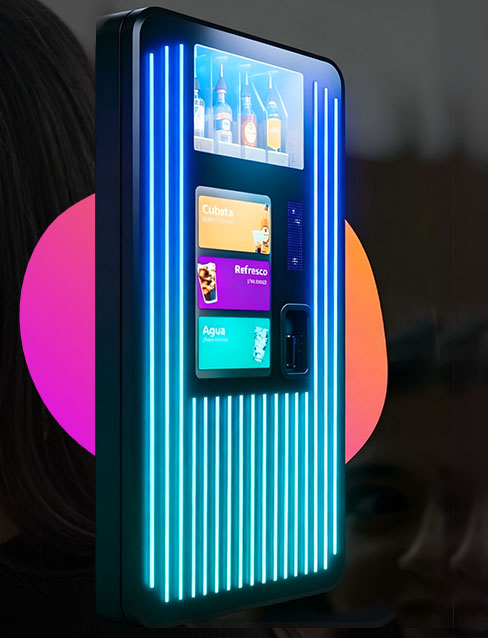
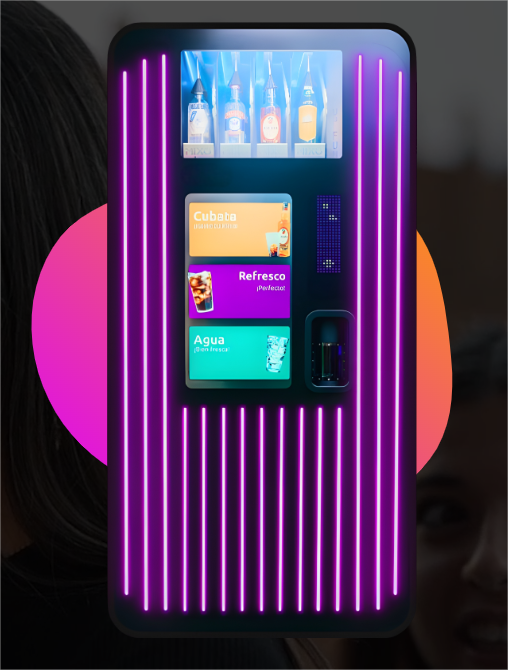
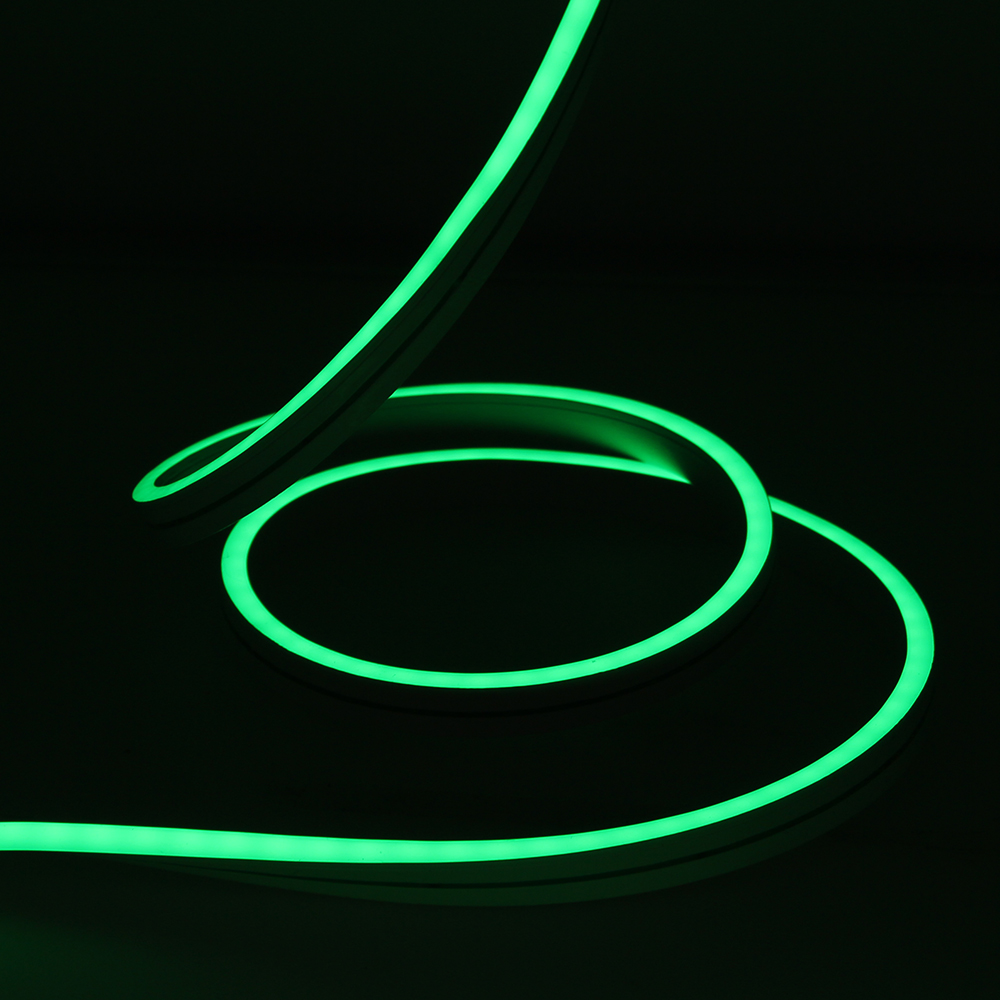
Based on the design renderings the client provided, my immediate assessment was clear: Addressable neon LED strip would be the perfect fit for this cocktail cabinet. Why?
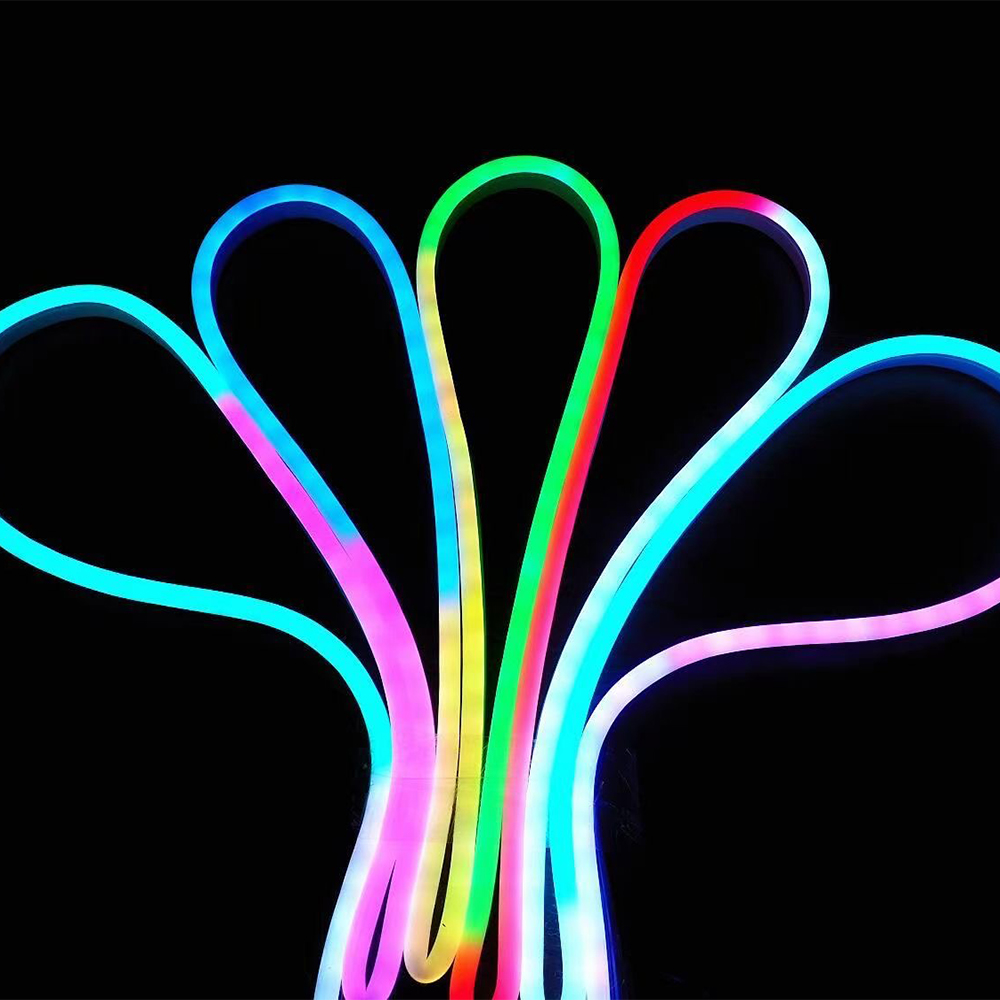
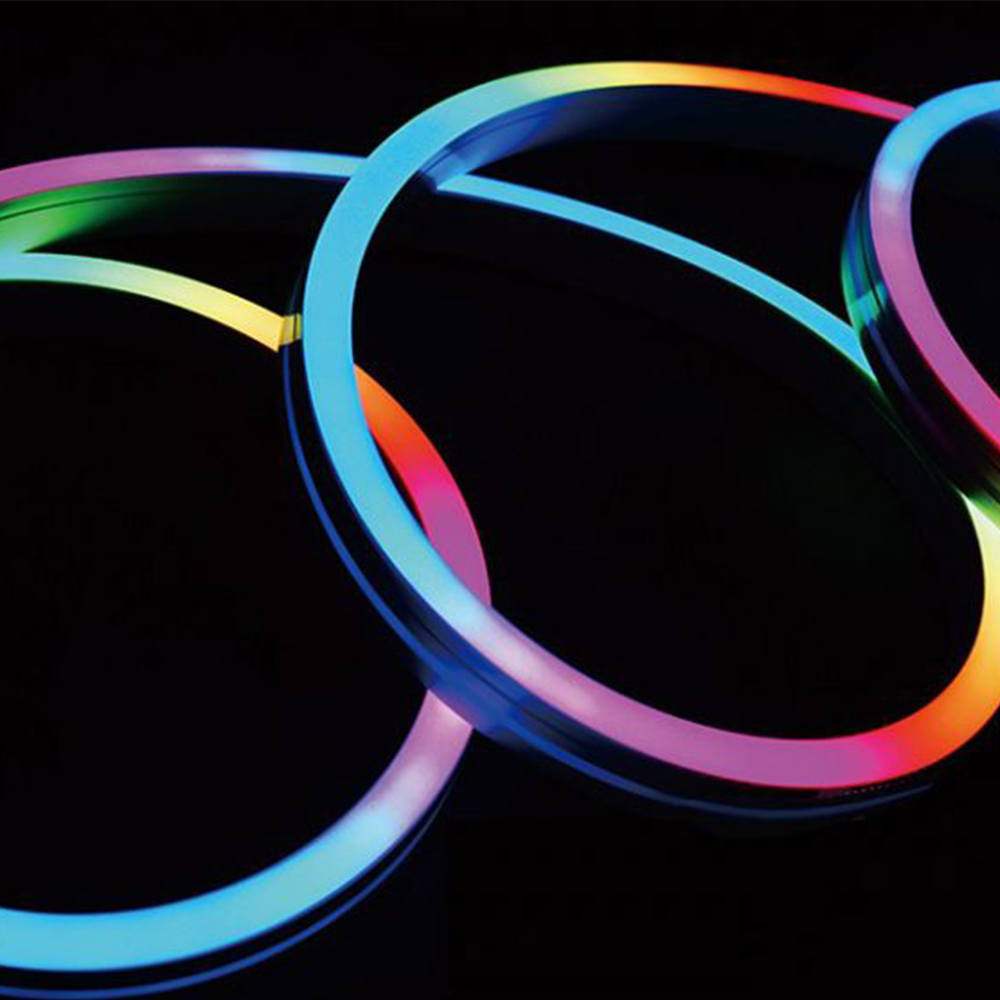
To give the client a useful reference point, I walked them through the standard options: both DC5V and DC12V LED strip single-point, single-control variants. The client's response was direct:
"Either voltage works for us — we're currently leaning toward the WS2812B Eco version."
I put forward a recommendation to the client: "If you're going with DC5V, I'd suggest switching to WS2813. It features dual data backup with breakpoint continuation — a much better fit for equipment-grade applications."
The reasoning was straightforward: The WS2813 RGB LED strip runs on dual data transmission, meaning if one LED fails, the rest of the strip stays lit. We have extensive proven deployments in equipment-type products — it's more stable and less sensitive to environmental variables.
The client was fully on board and decided to go with it. The first prototype was built around the WS2813 RGB LED strip paired with an addressable neon LED strip form factor.
You can get a clear picture from the video below: What is the difference between WS2813 VS WS2812B?
The client's original plan was straightforward: "We'll use aluminum channels to mount the neon strips."
I offered an alternative approach better suited to equipment-grade builds:
Routing slots cut directly into the backing panel ; Wiring becomes completely concealed; A cleaner, more refined finished appearance; Simpler structure, lower cost; Greater consistency in mass production.
The client took the advice on board. After testing the first prototype, they were highly satisfied — and came back to us with 4 further improvement requests.
Issue 1: Exposed end caps — can they be made in black?
The backing is black, and white end caps were too visually prominent. Solution: We confirmed that black end caps can be supplied at the mass production stage, keeping the overall look cohesive and professional.
Issue 2: Too many power supplies — taking up space and adding weight.
The client wanted to reduce the number of power units as much as possible. Solution: We recommended upgrading to WS2815 LED strips — running on DC12V, with higher voltage tolerance and enhanced stability through dual data lines. Mid-strip power injection is no longer needed, making it far better suited to integrated, whole-unit wiring. The result: a single power supply can drive all the LED neon strip lights across the entire machine.
Issue 3: Can the controllers be consolidated — specifically SP108E or SP630E?
The client wanted a simpler overall architecture. Solution: Based on strip count, wiring layout, and power draw, we recommended the SP108E controller to manage all lighting effects across the cabinet from a single point.
Fewer controllers needed
Simplified wiring
Unified control over animations and lighting programs
How use Mini controller to control addressable COB led strip light? Here is the details:
Issue 4: New LED indicator lights for the payment system.
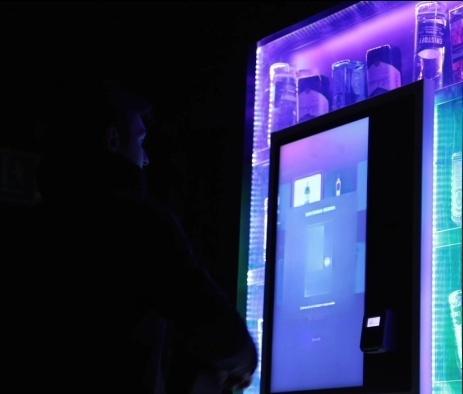
This was a newly added functional module. Solution: We integrated the payment zone into the overall lighting scheme, providing:
This allows for quick installation without the need to design complex additional routing from scratch.
With a thorough understanding of the client's installation environment, we made two key upgrades:
① Side-exit wiring on the neon LED strips
Compared to straight-out exits, the side-exit configuration is better suited to internal cable channels in equipment builds:Shorter routing paths; Connectors stay more effectively hidden; Easier and more intuitive to install.
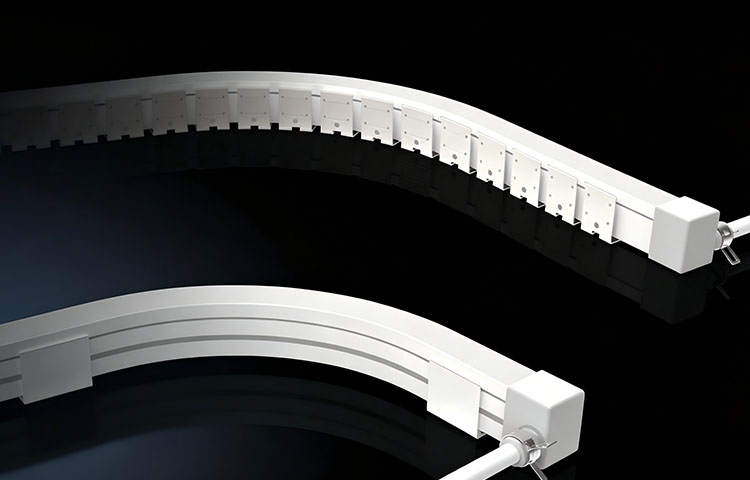
② Custom one-to-many splitter connectors
One goal, three benefits:Reduced wiring time on the client's end; Lower assembly costs at the factory; A cleaner layout that's straightforward to replicate in mass production.
The client gave the second version a strong sign-off.
And the significance goes beyond the order itself:The client's product is currently seeking investment in the capital markets. We're proud to be part of that journey.
Whatever the final launch timeline looks like, our goal remains the same:
"Help our clients turn ideas into products that can be manufactured at scale, taken to market, and built into a real business."
If you're currently developing equipment, cocktail cabinets, vending machines, smart appliances, gaming machines, or anything that calls for dynamic lighting effects, a premium finish, structural reliability, and mass-production consistency — we'd love to hear from you.
No matter how complex your drawings, how tight your space constraints, or how specific your functional requirements, our engineering team is ready to work side by side with your design team. Whether you need a ws2813 rgb led strip for dual-data stability, a dc12v led strip for simplified power architecture, or a fully addressable neon led strip solution for a seamless, high-end look — we'll deliver something more stable, more precisely matched, and more reliably replicable, turning your concept into a product that's truly ready for the real world.
Send us an email, and let the next success story be yours. There's no better time to get your project started.