
How Custom LED Strip Lights Can Help Distributors Improve Profit Margins
By Sunny Zhang | Updated: Oct 23, 2026
LED strip distributors often face intense price comparisons on standard products. Customers request quotes from several suppliers for nearly identical specifications, and the negotiation comes back to the same question: how much lower can the price per meter go?
Custom LED strip solutions give distributors an opportunity to compete on more than price by addressing requirements that standard strips cannot readily meet, such as limited channel space, an unsuitable lighting effect, or incompatible controls. Customization may involve upfront sampling, development, and testing costs. If customers value the solution and repeat orders become steady, distributors have an opportunity to command better pricing and spread the initial development costs across more units. Standard products still suit routine orders; the decision to customize should depend on project value and the full cost of supply and support.
Key Benefits of Custom LED Strip Solutions for Distributors
Reduce Price Competition and Give Customers Clear Reasons to Choose Your Products
When several suppliers offer similar specifications, customers can compare prices easily. A strip selected around installation dimensions, lighting performance, and control requirements gives distributors a more specific value proposition. It also creates a useful conversation about the finished result rather than unit price alone.
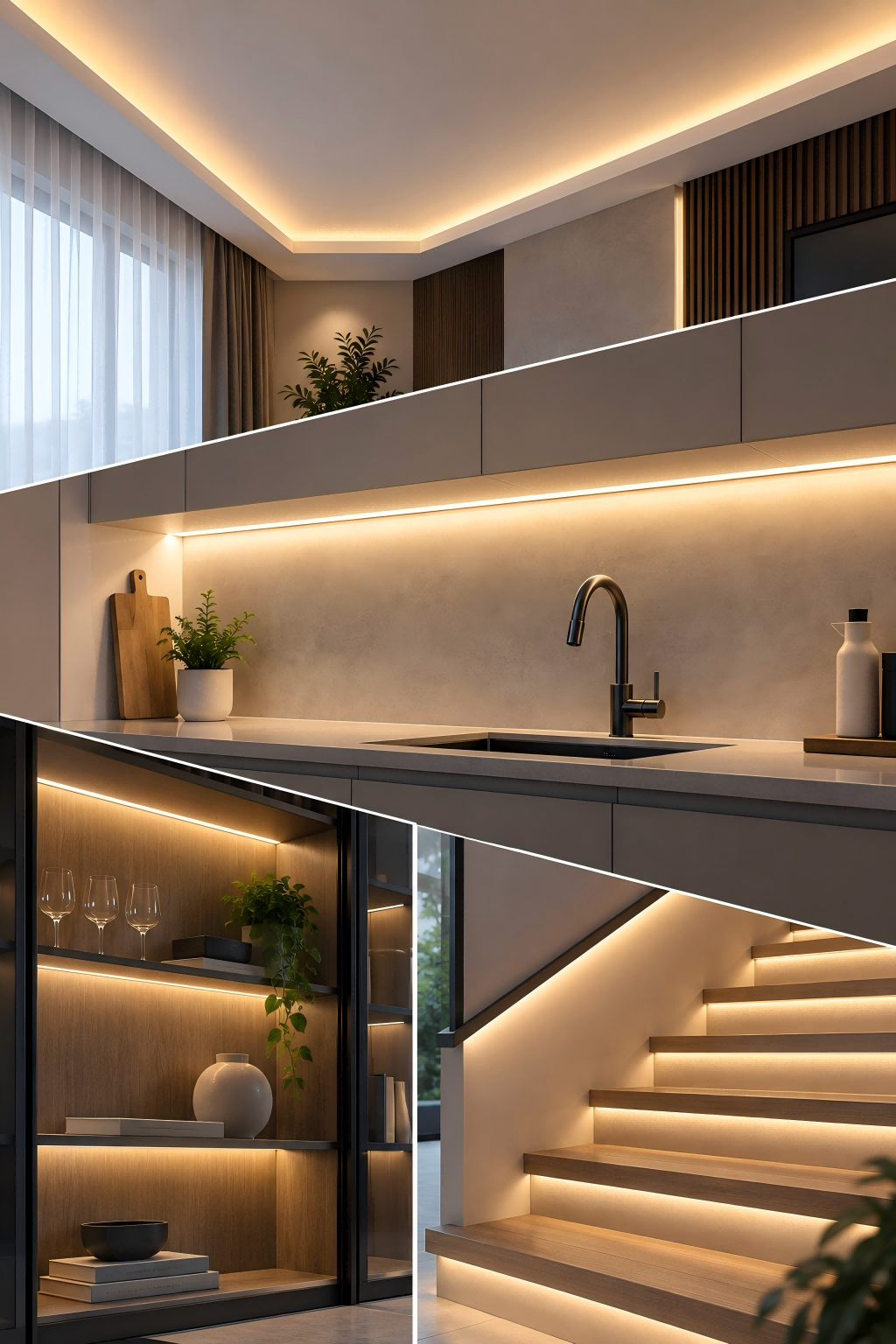
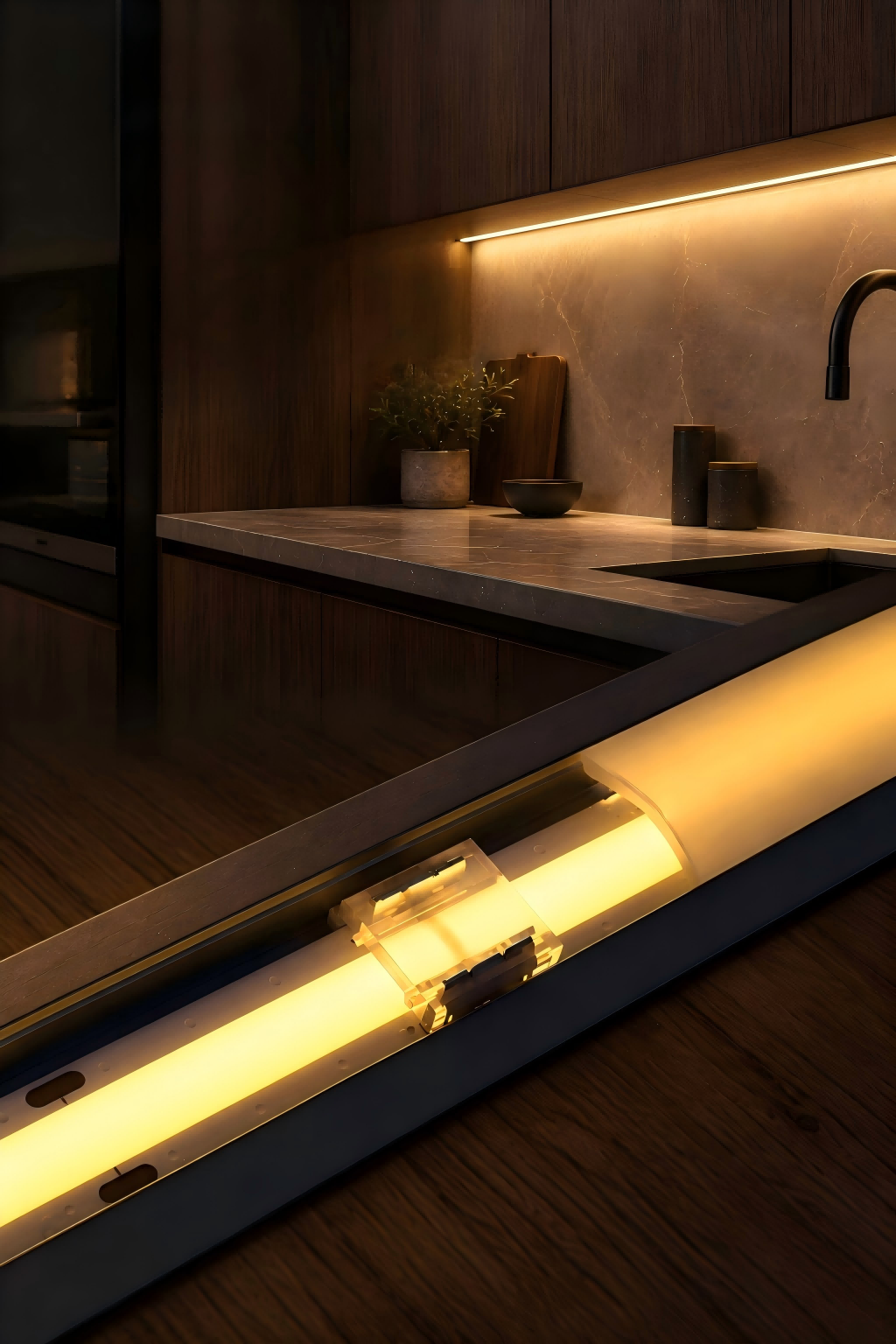
For cabinet and architectural lighting, that value may come from fitting a narrow channel, producing an even line of light, or matching an existing control system. Confirming these details before supply helps customers assess the complete solution.
Expand from Standalone Strip Sales to Complete Lighting System Packages
A project may require LED strips, aluminum profiles, diffusers, power supplies, controllers, and connectors. Coordinating these items can increase order value and simplify purchasing. It can also add responsibility for system compatibility, so the quotation should define what is included and what must be verified on site.
Standardize Project Specifications to Reduce Repeat Order Communication and Delivery Costs
Keep the approved sample, product code, drawings, wiring details, and revision history together. These records make repeat purchasing easier and help avoid substitutions that change the lighting effect or installation fit. Consistent delivery can support longer customer relationships, although repeat orders are never guaranteed.
Balance Upfront Investment and Long Term Margins to Avoid Unnecessary Customization
Custom LED strip projects may require more upfront investment in sampling, development, and compatibility testing. In return, distributors can offer a solution tailored to the customer’s application, giving them a clearer basis for pricing beyond the cost per meter.
As repeat orders grow, the initial development costs can be spread across more units. When customers value the tailored solution and ongoing supply costs are well managed, this can create room for healthier margins over time.
A larger order is not necessarily a more profitable order. Before quoting, account for development, components, freight, packaging, and after-sales support. Confirm minimum order quantities, sample charges, tooling terms, and lead times. If an existing product meets the brief, start there rather than adding changes that offer little customer value.
Plan Customization Around Project Requirements
Customization is most useful when it solves a specific installation or product requirement. Depending on the application, this may involve adjusting strip dimensions, lighting performance, protection, or control compatibility. For distributors, the priority is to identify which changes add value for the customer and account for their cost in the quotation.
Explore our custom LED strip solutions to review available options and share your project requirements with our team.

Recommended News