
Why LED Strip Lighting Connectors Matter: Compatibility, Connection Methods and Project Reliability
By Shirley Huang | Updated: Sep 15, 2026
In many architectural, commercial and residential lighting projects, most of the attention goes to the LED strip itself: brightness, color temperature, voltage, power and the power supply.
The led tape connector often comes later.

But once installation begins, that small component can affect installation time, maintenance, the space required inside an aluminum profile and even the appearance of the finished light.
This is especially noticeable with COB LED strips. A connector may work electrically but still leave a visible gap or dark area at the joint.
At LW Lighting, we look at the connector as part of the complete LED strip system. A good match needs to work not only with the PCB and contact pads, but also with the wiring, aluminum profile and installation conditions. A connector that fits the strip on paper can still create problems in the finished installation.
That is why we prefer to confirm the connection method together with the LED strip and the actual application.
Why Pay Attention to the LED Strip Connection?
1.1 Installation and Maintenance Costs
Soldering is still a practical connection method for many LED strip projects, but it requires tools, working space and consistent workmanship.
Solderless LED strip connectors can simplify repeated installation when the connector is correctly matched to the strip.
That last part matters.
The PCB width, contact pads, wire and connector all need to work together. A connector that looks compatible in a catalog may not fit the actual strip once installation starts.
This becomes more important in concealed installations. If a connection fails after the LED strip has already been installed inside cabinetry, ceilings or architectural profiles, getting back to the joint can take much more time than making the original connection.
For this reason, we prefer to confirm the strip and connector combination before the installation is closed.
1.2 Visual Continuity
The connection can also affect how the finished light looks.
With COB LED strips, the continuous light line is often one of the main reasons the strip was selected in the first place. A large connector housing, a gap between two strip sections or the position of the internal metal contacts can create a visible interruption.
Transparent connector housings can help reduce this effect, but they don't automatically make the joint invisible.
The aluminum profile matters too.
A connection that looks acceptable in a deeper channel may be more noticeable in a shallow profile where the LED strip sits close to the diffuser.
For projects where the light line is visible, it is worth testing the LED strip + connector + aluminum profile + diffuser as one assembly.
1.3 Common Installation Problems
For example, when an LED strip is slightly too short, a strip-to-strip or strip-to-wire connector can extend the installation without soldering another joint on site.
Connectors are particularly useful when an installation needs:
- a straight strip-to-strip connection
- a connection around a corner
- a wired gap between two LED strip sections
- a connection between the strip and power cable
- easier replacement of a section when the connector design allows it to be disconnected
For corners, a flexible wired connector can also be more practical than forcing the LED strip into a bend that is too tight for its construction.
The point isn't simply to avoid soldering. The connection method should make the installation easier without creating another problem elsewhere in the system.
=
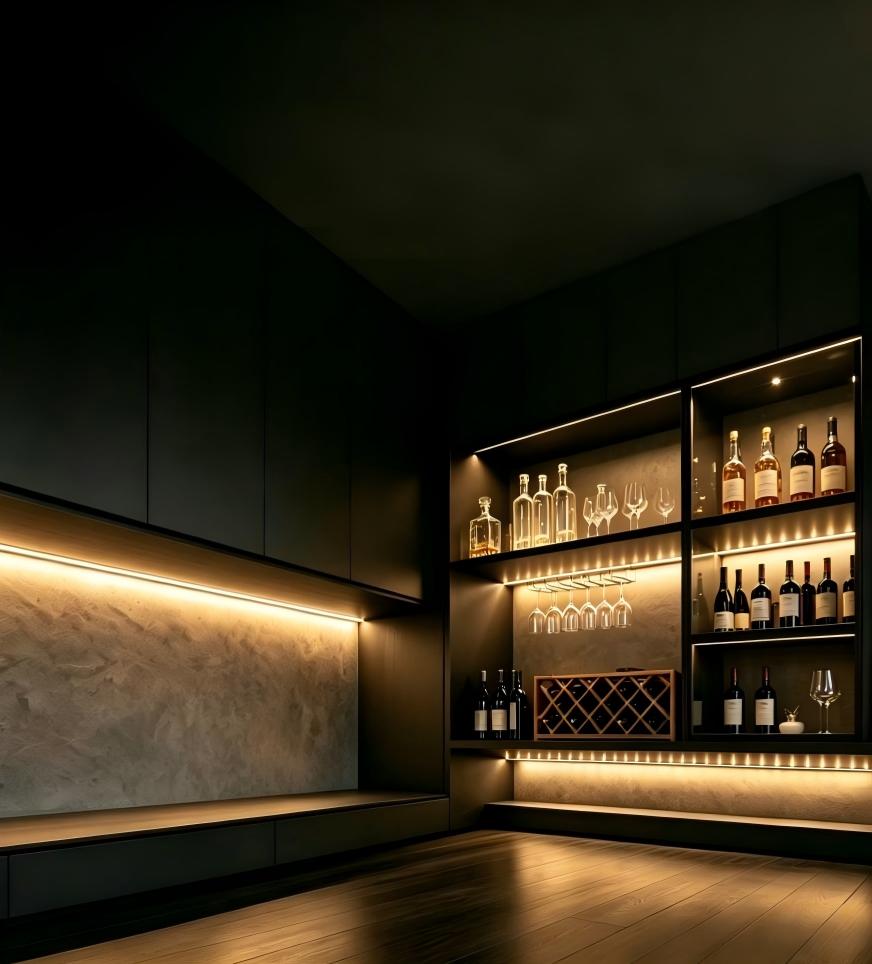
COB vs SMD LED Strip: Differences, Pros, Cons and How to Choose
Choosing between COB and SMD LED strips? Learn the key differences in light quality, manufacturing, cost and applications to find the right option for your project.
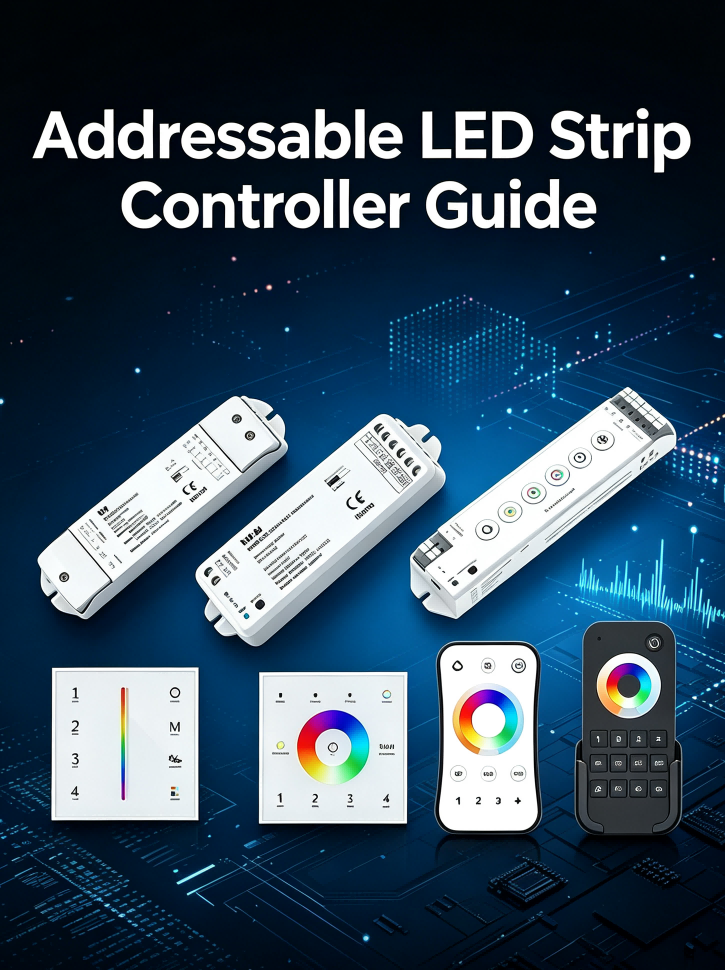
How to Choose the Right Addressable LED Strip Controller A Selection Guide
Not sure which controller to use for your LED strip? DMX or SPI? It really depends on your strip, the effects you want, and how your project is set up. LW Lighting shares some practical tips to help you make the right choice.
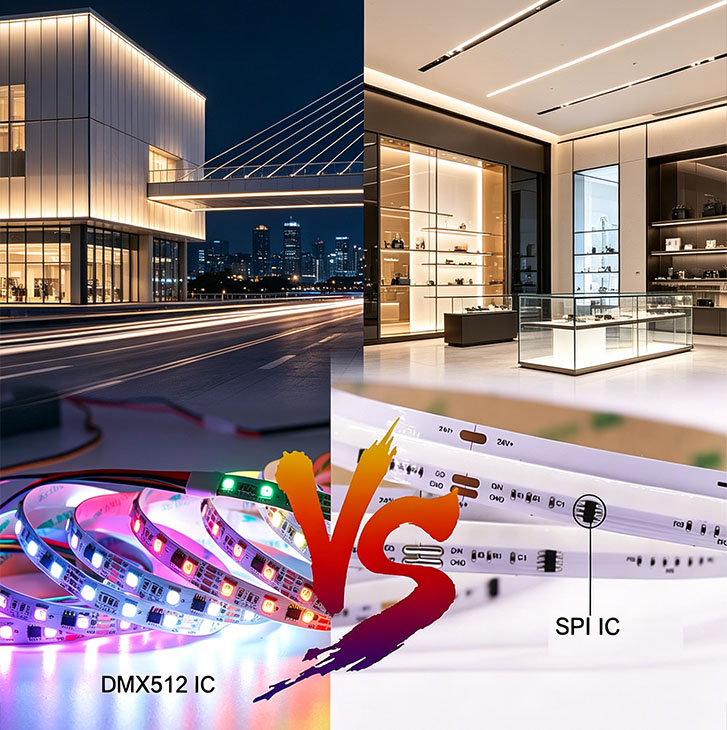
DMX vs SPI: Which Addressable LED Strip Protocol Is Right for Your Project?
DMX vs SPI by LW Lighting: Compare addressable LED strip protocols, pixel control, signal distance and applications to find the right solution.
Recommended News