
Custom RGB LED Strip for U.S. Red Light Therapy Equipment: From Structural Fit to Wiring and Lighting Control
By Jimmy Yin | Updated: Sep 28, 2026
In March 2024, a U.S. customer specializing in red light therapy and rehabilitation equipment contacted us for an RGB LED strip solution that could provide both decorative lighting and visual indication for different operating states.
Based on the equipment information provided by the customer, it was clear that this was not a simple off-the-shelf LED strip purchase.
The customer had several equipment models with different designs and applications. The LED strips needed to fit specific locations inside each unit while working with the existing equipment structure and control system. This meant that brightness and color effects were only part of the requirements. Strip length, mounting method, adhesive backing, waterproofing, connectors, and the wiring of multiple RGB strip sections all had to be considered together.
After confirming the application requirements, we started with a DC12V RGB LED tape solution and made specific adjustments to the strip lengths, adhesive backing, waterproofing, and connection method. Four customized sample sets were then prepared for testing in the customer's actual equipment.
In May 2024, the customer received the four sample sets and completed the initial equipment testing. The RGB tape light, custom 1-to-6 splitter, and control setup passed the customer's initial application validation. The customer later shared photos of the finished equipment along with test feedback.
Project Overview
The Customer Needed More Than Just the Right RGB LED Strip
At the beginning of the project, the first thing we needed to understand was the role the RGB lighting would play in the equipment.
Based on the customer's requirements, the RGB strips had two functions. They needed to enhance the visual appearance of the equipment while also working with the control program to display different lighting states in different operating scenarios.
As we received more details about the equipment structure and installation requirements, however, the focus gradually shifted from simply asking “Which LED strip should we use?” to a more practical question:
How can the RGB LED strip actually be integrated into the equipment?
Based on the customer's requirements, the RGB strips had two functions. They needed to enhance the visual appearance of the equipment while also working with the control program to display different lighting states in different operating scenarios.
As we received more details about the equipment structure and installation requirements, however, the focus gradually shifted from simply asking “Which LED strip should we use?” to a more practical question:
How can the RGB LED strip actually be integrated into the equipment?
1. The RGB Lighting Needed to Work Across Different Operating Scenarios
The customer wanted the RGB lighting to display different colors and lighting states. This meant the strips needed not only sufficient brightness, but also compatibility with the customer's existing control method.
So, when selecting the lighting solution, we could not look only at the specifications of the RGB LED tape itself. We also needed to confirm the operating voltage, control method, wiring configuration, and the final installation position inside the equipment.
Based on the project requirements, we used a 12 volt rgb led strip lights as the starting point and worked with the customer during the sample stage to test the actual lighting effects and control functions.
So, when selecting the lighting solution, we could not look only at the specifications of the RGB LED tape itself. We also needed to confirm the operating voltage, control method, wiring configuration, and the final installation position inside the equipment.
Based on the project requirements, we used a 12 volt rgb led strip lights as the starting point and worked with the customer during the sample stage to test the actual lighting effects and control functions.


2. The Equipment Structure Meant Standard Strip Lengths Would Not Work
The customer provided dimensional and structural information for the equipment.
From the structural drawings and the installation photos shared later, we could see that the lighting had to follow specific areas inside the equipment. This meant that both the strip length and wire outlet arrangement had to match the actual structure.
If standard-length RGB tape light had been used and then cut and rewired by the customer during equipment assembly, it would have added extra installation steps and created more variation between different equipment models.
For this reason, we supplied custom-length RGB LED strips based on the customer's actual installation requirements. The strips could therefore be prepared during production according to the intended equipment layout, rather than leaving these adjustments until final assembly.
From the structural drawings and the installation photos shared later, we could see that the lighting had to follow specific areas inside the equipment. This meant that both the strip length and wire outlet arrangement had to match the actual structure.
If standard-length RGB tape light had been used and then cut and rewired by the customer during equipment assembly, it would have added extra installation steps and created more variation between different equipment models.
For this reason, we supplied custom-length RGB LED strips based on the customer's actual installation requirements. The strips could therefore be prepared during production according to the intended equipment layout, rather than leaving these adjustments until final assembly.


3. Wiring Multiple RGB LED Strips Was an Important Part of the Project
The equipment required more than one short section of LED strip.
When RGB LED strips need to be installed in several locations within the same unit, wiring each section separately can add more cables, connectors, and assembly work inside the equipment.
So, in addition to customizing the strip lengths, we also adjusted the connection method.
When RGB LED strips need to be installed in several locations within the same unit, wiring each section separately can add more cables, connectors, and assembly work inside the equipment.
So, in addition to customizing the strip lengths, we also adjusted the connection method.
From Multiple Individual Connections to a Custom 1-to-6 Splitter

Based on the layout of the LED strips inside the equipment, we provided a custom 1-to-6 splitter solution.
By connecting multiple RGB strip sections through one centralized connection point, the customer could reduce repetitive wiring inside the equipment and follow a more consistent connection method during later assembly.
This is also one of the clear differences between an equipment-integration project and a typical decorative lighting installation:
The LED strip is only one part of the system. The connection method also needs to be designed around the final equipment.
By connecting multiple RGB strip sections through one centralized connection point, the customer could reduce repetitive wiring inside the equipment and follow a more consistent connection method during later assembly.
This is also one of the clear differences between an equipment-integration project and a typical decorative lighting installation:
The LED strip is only one part of the system. The connection method also needs to be designed around the final equipment.
4. How Could the LED Strips Be Secured More Reliably Inside the Equipment?
In addition to the electrical connections, the customer was also concerned about how securely the strips would remain in place after installation.
During sample testing and subsequent discussions, the customer specifically mentioned that they wanted the LED strips to remain permanently seated inside the aluminum channels. The mounting method therefore became another part of the solution that needed to be optimized.
For this installation requirement, we used 3M VHB high-strength adhesive backing.
During sample testing and subsequent discussions, the customer specifically mentioned that they wanted the LED strips to remain permanently seated inside the aluminum channels. The mounting method therefore became another part of the solution that needed to be optimized.
For this installation requirement, we used 3M VHB high-strength adhesive backing.

Actual bonding performance can still be affected by factors such as the mounting surface, surface cleanliness, installation temperature, and the type of mechanical stress involved. For that reason, we included the adhesive-backed strips in the sample validation process rather than determining suitability from the adhesive specifications alone.
5. How Could We Add Waterproof Protection Without Compromising Installation?
The customer also requested waterproof protection and a three-year warranty.
Because the strips needed to be installed inside the equipment while still maintaining the flexibility and dimensional fit required for installation, we used a spray-coated waterproofing solution for this project.
Because the strips needed to be installed inside the equipment while still maintaining the flexibility and dimensional fit required for installation, we used a spray-coated waterproofing solution for this project.

The purpose was not simply to add another waterproofing process. We needed to address the customer's protection requirements while minimizing the impact of the waterproofing structure on the strip's dimensions and flexibility.
For equipment-integration projects like this, we pay close attention to whether the LED strip still fits its intended installation position after waterproofing—not simply whether waterproofing has been applied.
From Wiring Tests to Integration with the Customer’s Control System
After confirming the LED strip, custom lengths, connectors, adhesive backing, and waterproofing solution, the next step was to verify whether the complete RGB lighting system could work as required in the customer’s equipment.
During sample testing and debugging, we communicated with the customer by email about the specific wiring method and assisted in confirming the setup for further testing.
The testing was not simply about whether the LED strips could light up. We also needed to check:
During sample testing and debugging, we communicated with the customer by email about the specific wiring method and assisted in confirming the setup for further testing.
The testing was not simply about whether the LED strips could light up. We also needed to check:
· whether multiple RGB LED strip sections could be connected as designed;
· whether the lighting could switch between different colors correctly;
· whether the lighting effects met the requirements of the actual equipment application;
· whether the wiring arrangement would make the customer’s later equipment assembly easier;
· whether the RGB lighting could work with the customer’s control program.
· whether the lighting could switch between different colors correctly;
· whether the lighting effects met the requirements of the actual equipment application;
· whether the wiring arrangement would make the customer’s later equipment assembly easier;
· whether the RGB lighting could work with the customer’s control program.
The customer then installed the samples in the actual equipment for further validation.


From the test photos shared by the customer, we could see the equipment displaying different lighting colors.
This helped both sides confirm, before moving toward larger-scale application, whether the LED strips and connection solution were suitable for the actual equipment.
From Structural Design to the Final Equipment: How the Project Progressed
March 2024 | Requirements Confirmed
We confirmed the DC12V RGB LED strip, installation dimensions, control method, waterproofing, adhesive backing, and wiring requirements.
Sample Development | Custom Solution Confirmed
We finalized the custom strip lengths, 3M VHB adhesive backing, spray-coated waterproofing, and custom 1-to-6 splitter solution, then prepared four sample sets for testing.
May 2024 | Equipment Testing
The customer received the samples and installed them in the actual equipment to test RGB color switching, the connection method, and compatibility with the control system.
After Testing | Feedback and Follow-Up Cooperation
The customer shared photos from the actual application along with test feedback and provided a two-year order forecast.
After the testing stage, the customer continued to communicate with us by email, sharing photos of the LED strips installed in the actual equipment as well as feedback from their testing. The two-year order forecast also gave us a clearer reference for potential follow-up production and supply planning.
How Was the RGB LED Strip Integrated into the Final Equipment?
After the sample validation stage, the RGB LED strips were integrated into the customer’s actual equipment.
As shown in the application photos provided by the customer, the different equipment models had different exterior designs and internal installation structures. The LED strips were therefore not used simply as standalone decorative lighting. Their placement had to be considered together with the equipment design, installation position, and control system.
The RGB lighting could display different colors based on the control requirements. At the same time, the custom strip lengths, splitter connections, and mounting methods also had to match the internal structure of each equipment model.
As shown in the application photos provided by the customer, the different equipment models had different exterior designs and internal installation structures. The LED strips were therefore not used simply as standalone decorative lighting. Their placement had to be considered together with the equipment design, installation position, and control system.
The RGB lighting could display different colors based on the control requirements. At the same time, the custom strip lengths, splitter connections, and mounting methods also had to match the internal structure of each equipment model.


For OEM equipment projects like this, the final step is not simply to verify the performance of a single roll of RGB strip. What really needs to be confirmed is whether the LED strips, connectors, mounting structure, and control system can work together to meet the requirements of the actual application.
Project Results and Customer Feedback
In May 2024, the customer received four customized sample sets and tested the RGB LED strips, splitter connection solution, and control system in the actual equipment.
During testing, the customer focused on the connection of multiple LED strip sections, color switching, and how the strips were mounted within the equipment structure.
In the follow-up communication, the customer gave direct feedback on the custom splitter solution:
“Splitter is cool.”
During testing, the customer focused on the connection of multiple LED strip sections, color switching, and how the strips were mounted within the equipment structure.
In the follow-up communication, the customer gave direct feedback on the custom splitter solution:
“Splitter is cool.”

The customer also explained that they wanted a simpler way to control the color changes and planned to keep the LED strips permanently seated inside the aluminum channels.
This feedback helped us better understand the customer’s actual installation requirements in three areas: the connection method, control logic, and mounting approach. The project was no longer just about whether the LED strips could light up correctly, but also about how the complete lighting setup would work once installed in the equipment.
The customer later shared photos of the LED strips in the actual equipment, along with a two-year order forecast. This provided further reference for the requirements and planning of potential follow-up projects between both sides.
What Can Equipment Manufacturers Learn from This Project?
For equipment manufacturers, determining whether an RGB LED strip is suitable for a project involves more than comparing brightness, LED count, or individual product specifications. Operating voltage, installation dimensions, control method, connection layout, and the operating environment should all be confirmed early in the project.
The following points are worth checking before moving forward:
The following points are worth checking before moving forward:
Operating Voltage
Does the LED strip match the equipment’s existing power system?
Installation Dimensions
Can standard strip lengths be used, or do the lengths need to be customized to fit the equipment structure?
Control Method
How will the RGB LED strip work with the existing controller or application?
Connection Layout
If several LED strip sections are used in the same unit, how can they be connected while reducing unnecessary internal wiring?
Mounting Method
Is high-strength adhesive backing required? What material will the LED strip actually be mounted on?
Environmental Protection
Is waterproofing required? If so, will the waterproofing process affect the dimensions or flexibility of the strip?
Sample Validation
Before mass production, which lighting effects, connections, and installation details need to be tested in the actual equipment?
Confirming these conditions during the sample stage is usually more useful for an equipment project than simply comparing the specifications of different RGB LED tape products.
FAQ
1.Can RGB LED Strips Be Customized to Fit Different Equipment Sizes?
Yes. For OEM equipment projects, the LED strip length, wire length, and wire outlet configuration can be customized based on the actual installation space. In this project, the RGB LED strips were made to specific lengths according to the customer’s equipment requirements and then validated with samples before moving toward larger-scale application.
2.Can Multiple RGB LED Strips Use a Custom Connector?
Yes. The connection method can be designed around the internal structure of the equipment. In this project, we used a custom 1-to-6 splitter to simplify the connection and assembly of multiple RGB LED strip sections inside the equipment.
3.Can RGB LED Strips Use 3M VHB Adhesive Backing?
Yes. A suitable 3M VHB adhesive can be selected based on the mounting surface and project requirements. Actual bonding performance, however, can be affected by the mounting material, surface preparation, temperature, and mechanical stress. For equipment projects, we recommend testing the adhesive on an actual sample before finalizing the solution.
4.Can RGB LED Strips Work with the Customer’s Own Control System?
This needs to be confirmed based on the LED strip type, operating voltage, control method, and the customer’s system. In this project, we worked with the customer to confirm the wiring and testing setup, and the customer then tested the RGB lighting with their control program in the actual equipment.
5.What Information Is Needed Before Customizing RGB LED Strips for Equipment?
We recommend providing the equipment’s operating voltage, installation position, dimensions or structural drawings, required strip lengths, control method, wiring requirements, adhesive requirements, waterproofing needs, and estimated purchase quantity.
If equipment drawings or actual installation photos are available, they can also help us better understand the application and confirm the proposed solution during the early stage of the project.
If equipment drawings or actual installation photos are available, they can also help us better understand the application and confirm the proposed solution during the early stage of the project.
Looking for a Custom RGB LED Strip for Your Equipment?
If your project involves custom lengths, connectors, adhesive backing, waterproofing, or specific control requirements, you can send LW Lighting your equipment dimensions, operating voltage, installation position, and control method.
We can evaluate the LED strip configuration based on the actual application and use sample testing to verify the proposed solution.
We can evaluate the LED strip configuration based on the actual application and use sample testing to verify the proposed solution.

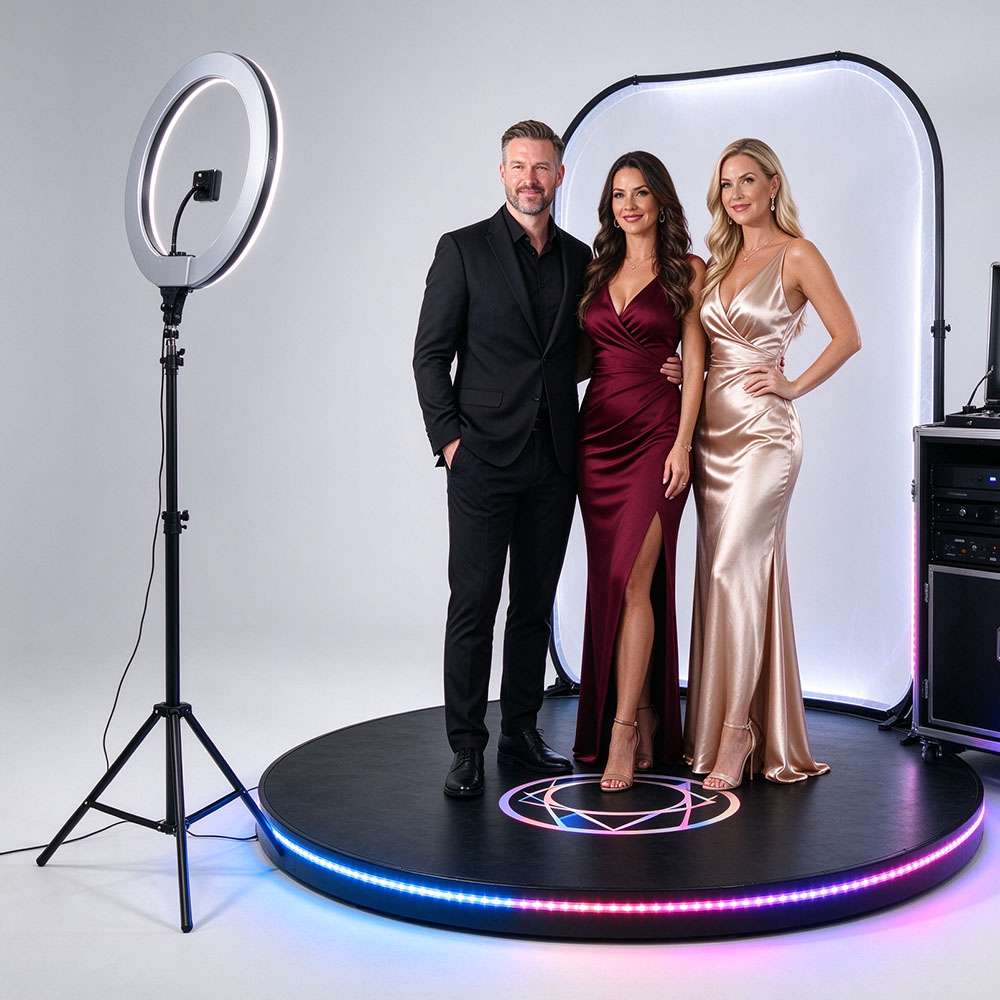
360° Photo Booth Lighting in Lebanon with TM1934 RGB Pixel LED Strip Case
A real 360° photo booth lighting project in Lebanon using TM1934 RGB pixel LED strips to create programmable colors and dynamic visual effects.
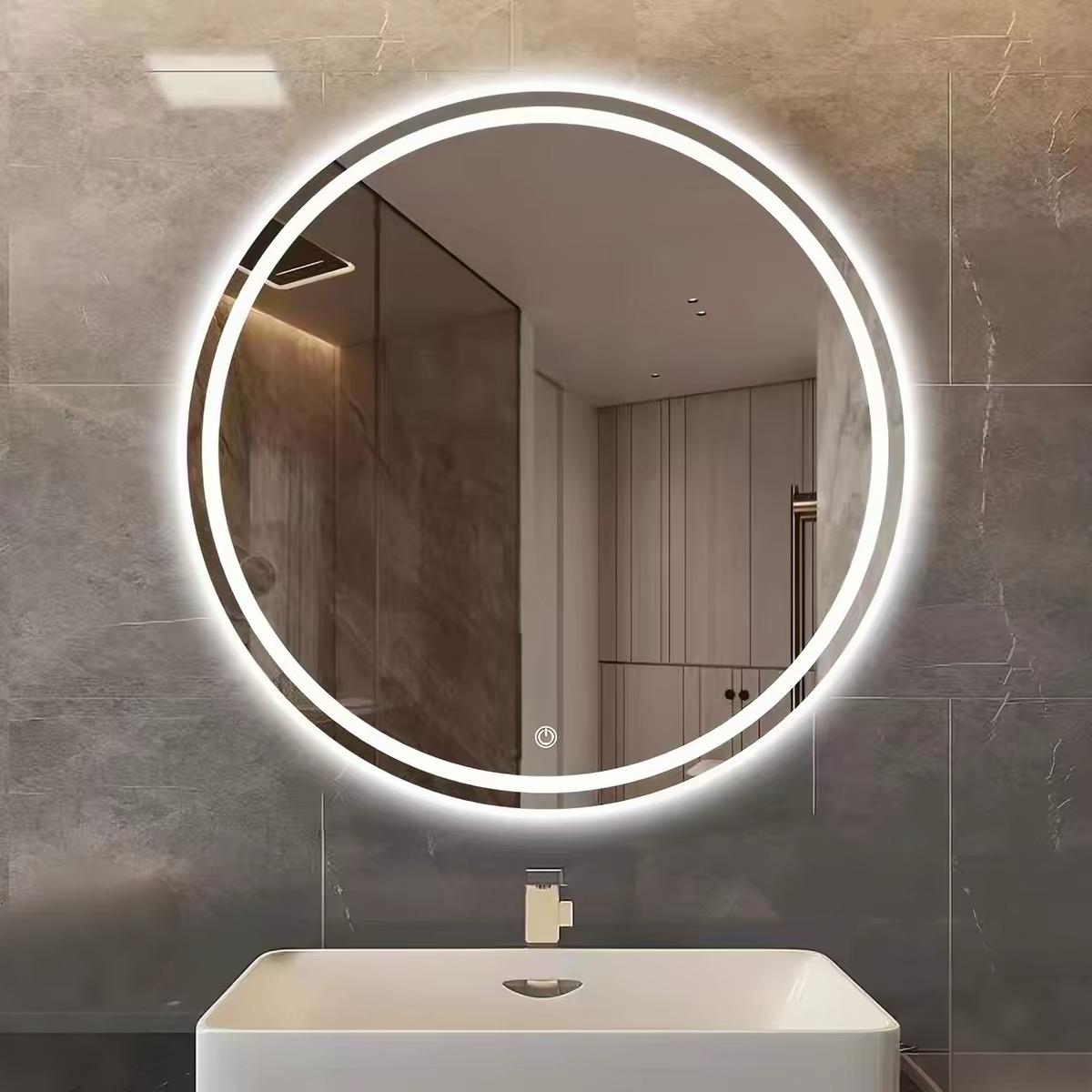
LED Bathroom Mirror Lighting: A Custom COB LED Strip Project in Cyprus
COB LED strip lighting installed behind a custom bathroom mirror for a Cyprus project, creating smooth and even illumination around the mirror.
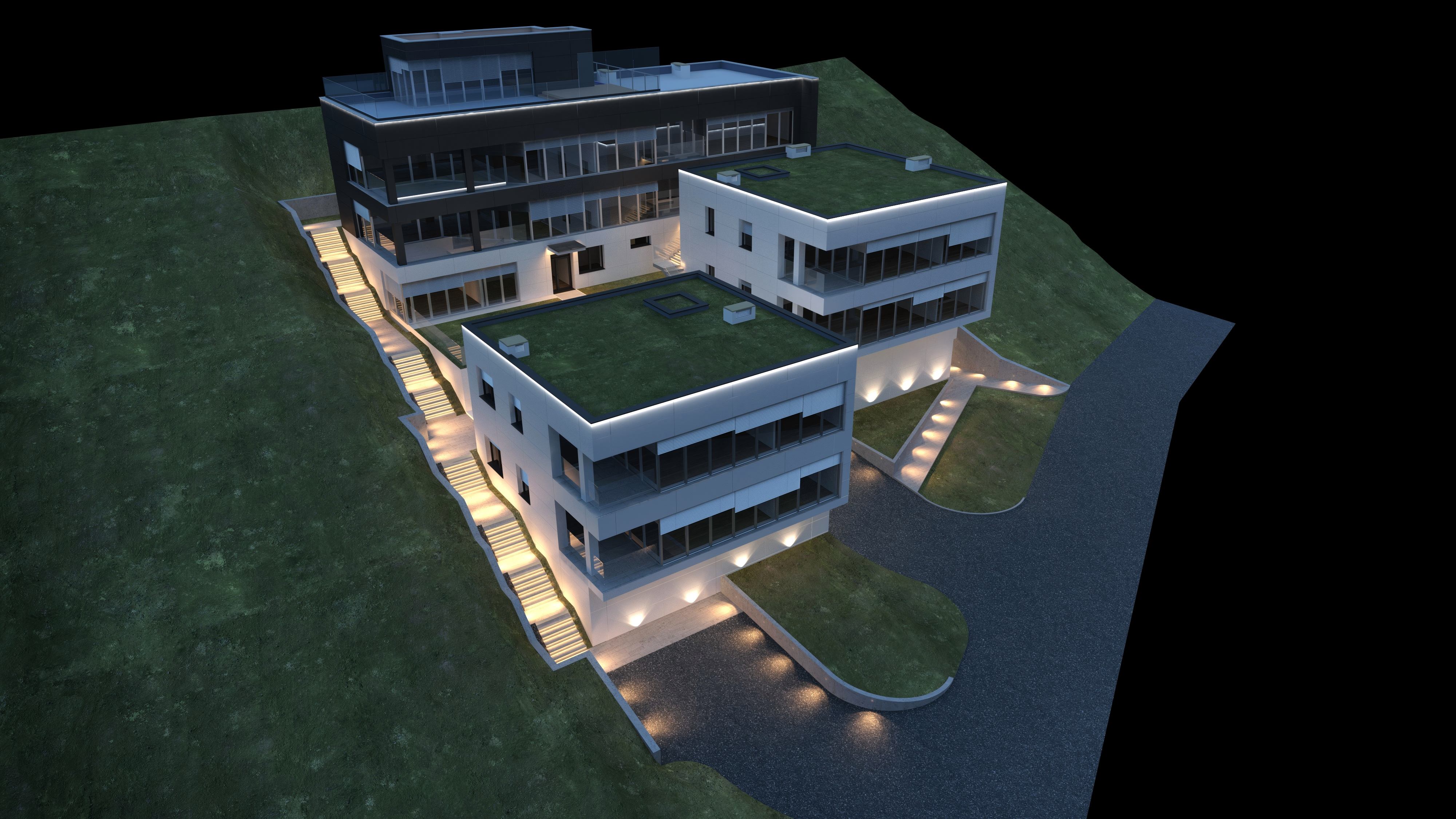
Slovak Outdoor Lighting Case Study: How LW Lighting Helped a Client Choose the Right 230V Neon Flex Light
Discover how LW Lighting helped a Slovak contractor select 230V LED neon flex and matching accessories for outdoor lighting across three buildings and additional locations.
Recommended News