
Choosing LED Strip Lights for Furniture Projects: What a Lighting Supplier Looks At
By Fiona | Updated: Nov 9, 2026
At the end of 2018, an inquiry came in from a Romanian company that does interior design and furniture. We did not know it then, but that first conversation would turn into a long working relationship. It also gave us one of the clearest examples of a question every LED strip supplier hears sooner or later: "Why is your price higher than the one I found?"
This is the story of how that project went, what we asked the customer, and why we still think quoting a fair price was the right call.
A First Order That Was Already Big
The cooperation started on 19 December with a large first order. The customer needed two main strip types:
4in1 RGBW LED strip, where the red, green, blue and white chips sit in one package, so one strip can do colour effects and clean white light.
High CRI LED strip in 4000K, for areas where furniture finishes, fabrics and wood need to look natural.
Together with power supplies and different accessories, the first order reached about 2,100 meters of strip.
For a company working on interiors and furniture, that is not a sample test. It is a real project order, and the customer needed everything to work together on site.
The Updated Request
After more discussion, the customer talked to their own electrical engineer and sent us a revised list. We are sharing the main points in the customer's own style of listing, because it shows how detailed a real project can be:
4in1 LED strip: 50 meters
High CRI LED strip, 12V 4000K: 1,000 meters; 24V 4000K: 50 meters
2835 LED strip, 4000K, IP67, 12V, 120 LEDs per meter: 1,000 meters
12V IP20 transformers in 100W, 150W, 200W, 250W and 360W, 10 pieces of each
24V IP20 transformer, 200W: 5 pieces
MeanWell LPV-60-12 power supply: 300 pieces
A controller, radio type, not IR
Connectors
For items 1 and 2, the customer added one sentence: they were currently buying at $1 per meter, and asked us to check our price.
We Understand the Budget, But We Quote a Reasonable Profit
We read this email carefully. A buyer with a big mixed order will always compare prices, and that is normal. There is almost always something cheaper on the market.
But we did not want to just match a number. Our prices are built on material cost plus a reasonable profit, not on inflated quotes that leave room for big discounts. So instead of sending a lower price, we asked two simple questions:
1. The 4in1 strip you buy at $1 per meter, have you tested it?
2. Is that $1 high CRI strip CRI above 80 or CRI above 90?
We also told the customer honestly that $1 was lower than our material cost, and that we did not know how it could be made at that level. Then we asked: do you want our best price, or are you only looking for a $1 strip?
We were not trying to be difficult. These questions point to where cheap strips usually save money.
What sits behind a very low price
CRI. High CRI strips use better phosphor and better LED chips. A CRI 80 strip and a CRI 90+ strip can both be sold as "high CRI" by some sellers, but on a wooden cabinet or a fabric sofa the difference is easy to see
4in1 chips. A 4in1 RGBW strip needs four chips in one LED. Quality varies a lot, and bad batches show up as uneven colour mixing or a white that looks greenish or pinkish.
PCB and copper. At 12V, current is higher, and thin copper means more heat and more voltage drop over a long run. This matters a lot for 5-meter reels used in long furniture lines.
LED binning. Cheap strips often mix bins
Those are exactly the problems that a furniture or interior company cannot afford, because the lighting is installed inside a finished piece, and replacing it later is expensive.
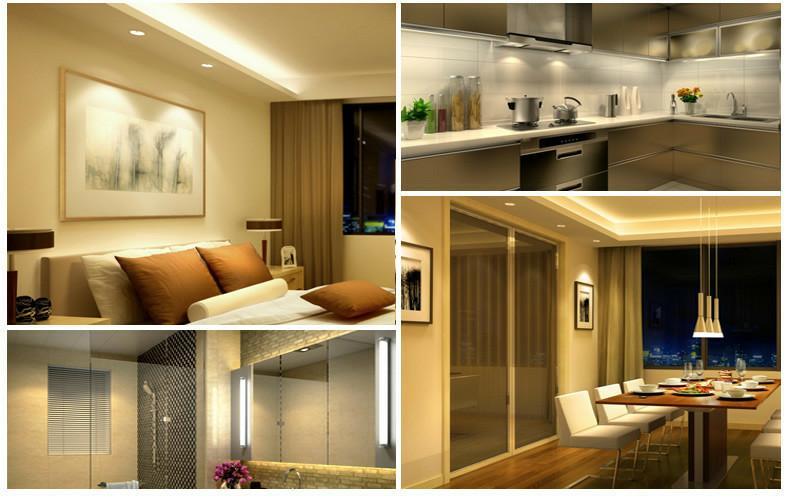
A Tight Deadline, and How We Handled It
The customer told us they wanted our best price. They also told us the delivery time was urgent.
This is the point where a supplier shows what it really can do. Our team arranged rush production and planned the order in the right sequence: The goods were finished and shipped in time for the customer's deadline.
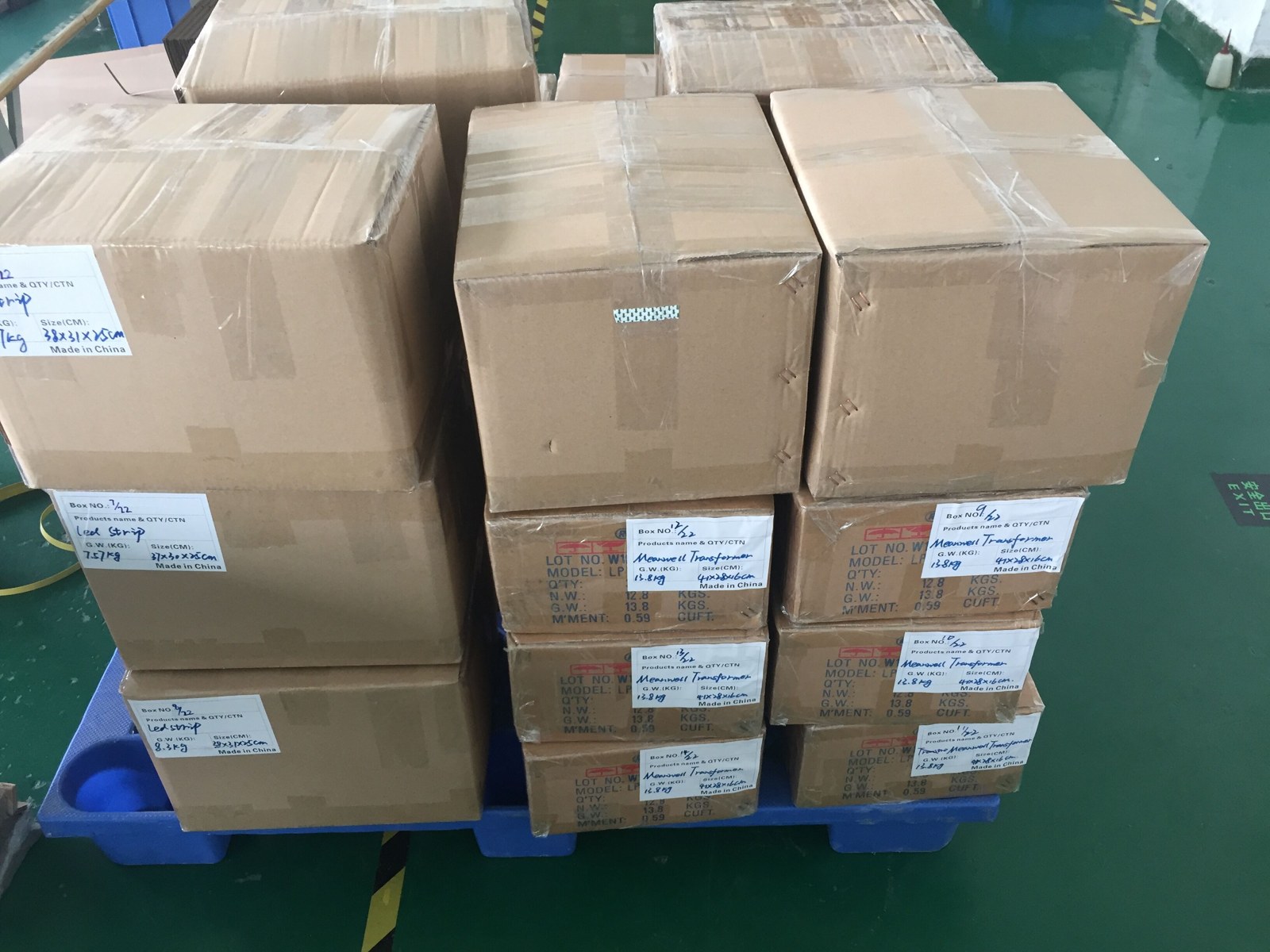
We would like to be clear about one thing. Speeding up production does not mean skipping steps.
Our inspection process covers the whole production, from incoming materials, to checks during production, to final testing before packing. An urgent order gets the same inspection, with more planning.
The Power Supply Question
A big part of this order was power supplies, and it is worth explaining why.
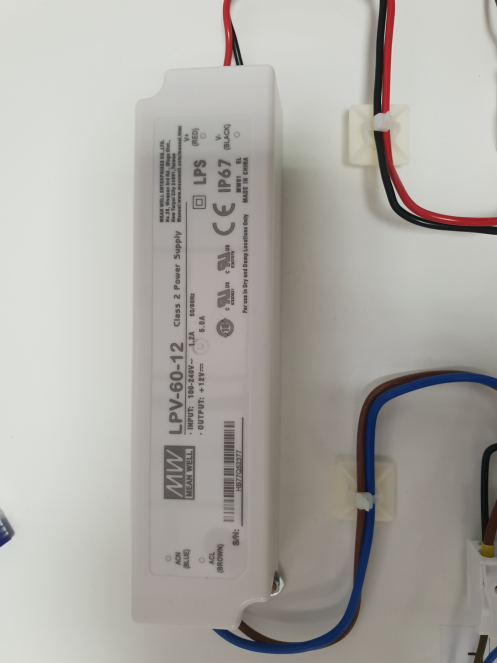
Strip lights are only as good as the power behind them. The customer asked for transformers from 100W to 360W in 12V, a 200W in 24V, and 300 pieces of MeanWell LPV-60-12 (a 12V, 60W, IP67 constant voltage supply). Each one has a different use:
Small projects and single cabinets work well with lower wattage units.
Long runs and large furniture sets need higher wattage, with a safety margin. We usually suggest not loading a power supply to its full rating.
IP67 supplies are for places where moisture or dust is a concern. IP20 units must stay inside a dry, ventilated space.
24V is a better choice for longer runs because the voltage drop is lower. This is also why the customer needed some 24V high CRI strip alongside the 12V.
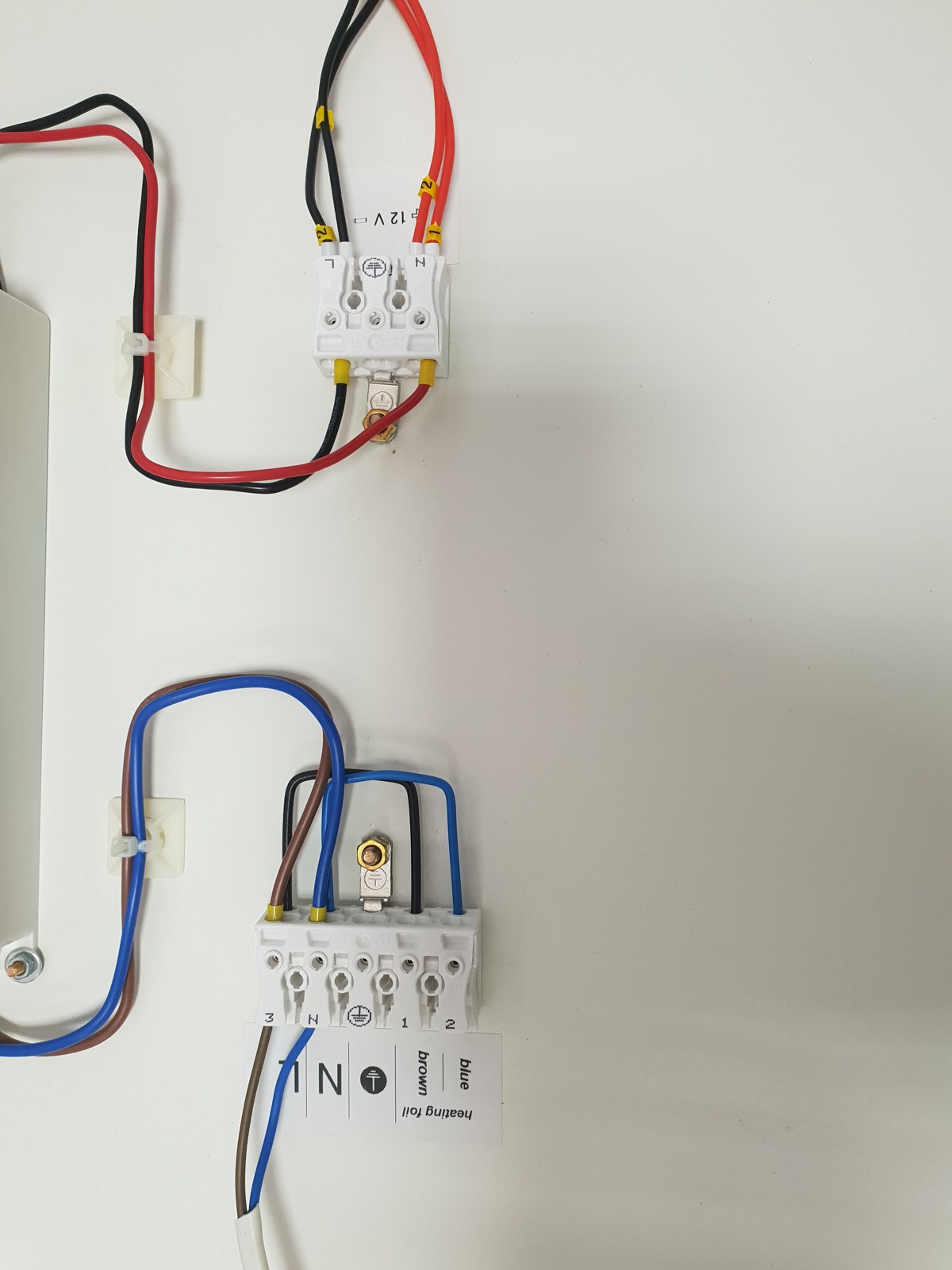
When we receive a list like this, we do not only check whether we can supply the items. We check whether the strip length, voltage and power supply match, because a mismatch is the most common reason a project fails after installation.
Control: Why "Radio, Not IR" Matters
The last item in the list looked small, but it said a lot: "Controller, radio, not IR."
For furniture and interior installations, this is a very practical request. An infrared remote must point at the receiver, and it does not work if the controller is hidden behind a panel, inside a cabinet or above a ceiling. A radio frequency (RF) led light controller works through walls and wood, so it can be installed out of sight while still being controlled from across the room.
So if you are choosing strip lights with remote control for a furniture project, check three things:
RF or IR. RF is usually the better choice when the controller is hidden.
Channel type. A 4in1 RGBW strip needs a controller with four channels (RGBW). A three-channel RGB controller will not drive the white chip.
Current rating per channel. Add up the strip's load on each channel and keep it below the controller's limit, or add an amplifier.
Beyond the Strip: What We Recommend for Furniture Lighting
Furniture is different from general architectural lighting, because the lighting becomes part of the product. Based on our experience with interior and furniture customers, these are the other parts we usually discuss:
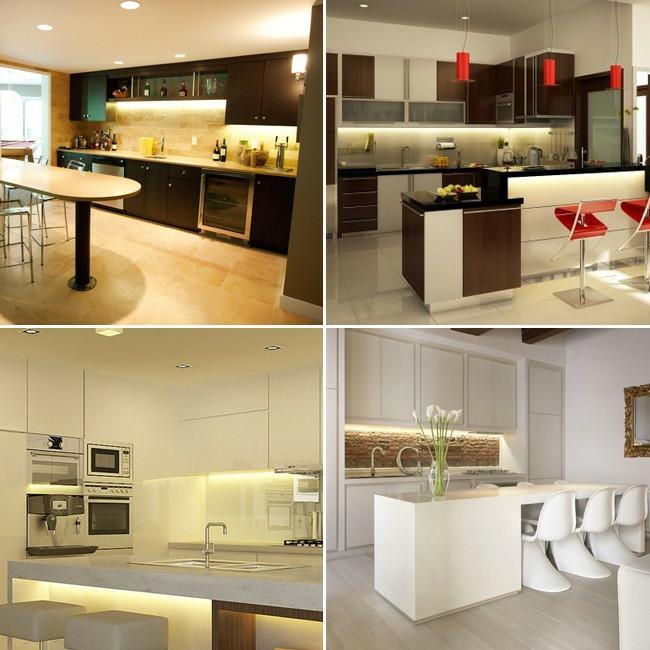
Aluminium profile for LED strip. In cabinets, wardrobes, shelves and display units, an aluminium profile with a diffuser hides the individual LED dots and gives a smooth line of light. It also carries heat away from the strip, which helps the strip last longer. Profile depth and diffuser type (clear, milky, frosted) should be chosen together with the strip width.
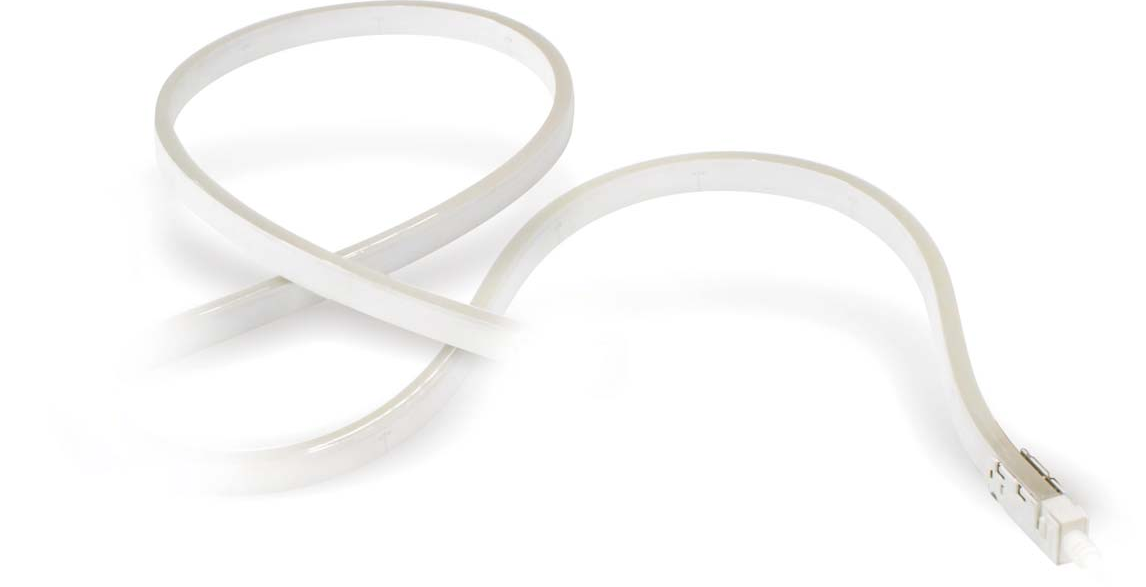
Flexible neon light. When the design needs a continuous glowing line with no visible dots, such as a curved headboard, a logo or a decorative edge, a flexible neon light is a good option.
Silicone neon flex. For these uses, silicone neon flex is easy to bend and cut, and it is suitable for installations where the strip must follow a curve. We advise customers to check the bending radius and the mounting method before they design the furniture, not after.
These are not extras. They are part of the same question: how will the lighting be installed, powered, controlled and looked after?
Satisfied on Arrival, and Back the Next Year
When the goods arrived, the customer was very happy with the quality. The shipment matched the order, the strips performed as expected, and the deadline was met.
The following year, when the customer needed LED strip lighting again, we were the first company they thought of.
We do not think this happened because we had the lowest price. It happened because we:
asked the right questions instead of just agreeing to a lower number,
told the truth about cost,
solved a real delivery problem,
and delivered products that worked.
Planning a Similar Furniture or Interior Project?
Send us your requirements. Which strip, which power supply, which controller: we'll help you sort out the headaches before they reach the job site.

“Still Operating Perfectly”: A 12V LED Strip Dimmer Project in Australia
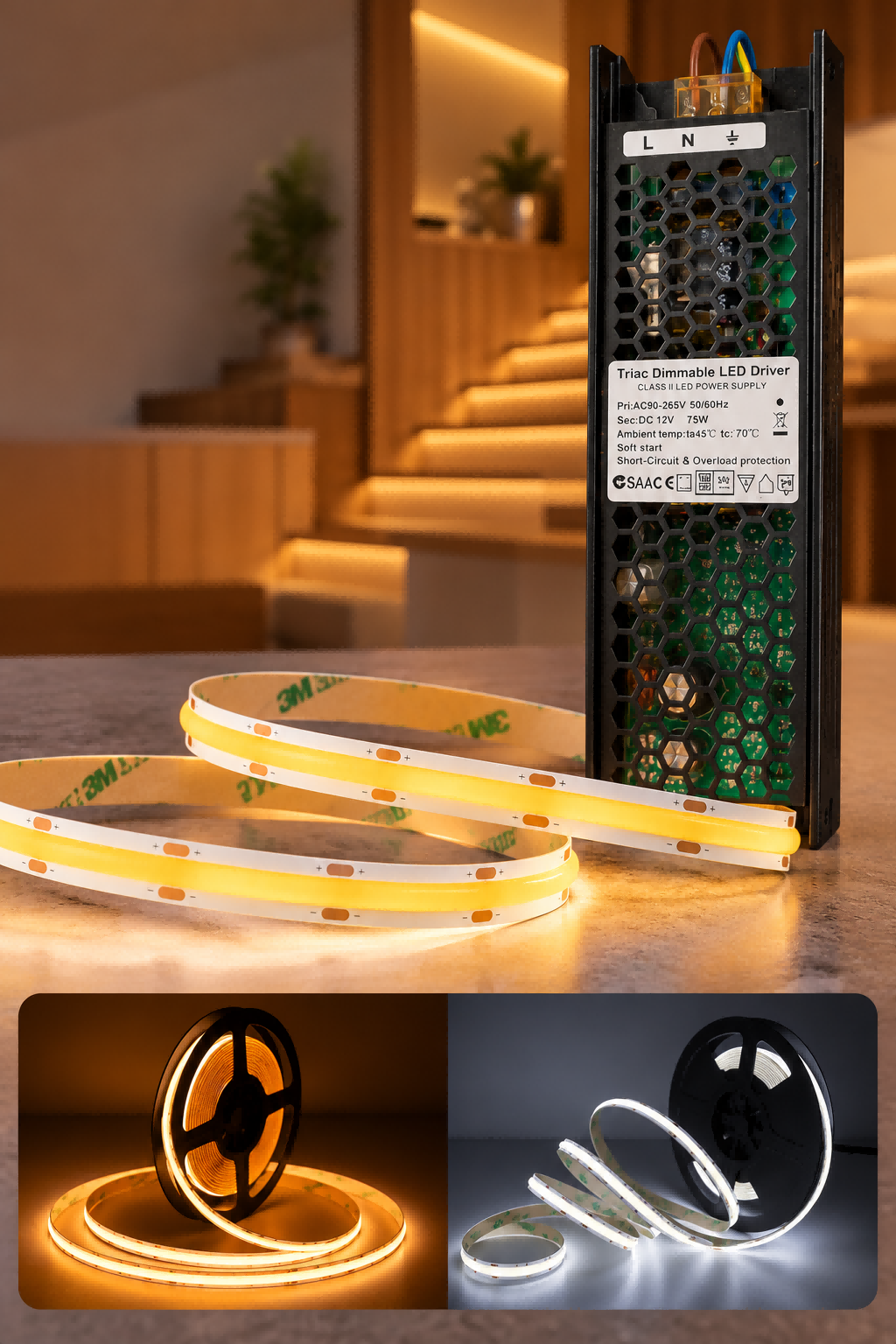
A Triac dimmable LED driver paired with warm white COB LED strips, representing the solution to a dimming compatibility issue in Australia.
Choosing flexible COB LED Strips for a Hotel: What a Lighting Consultant Looks At
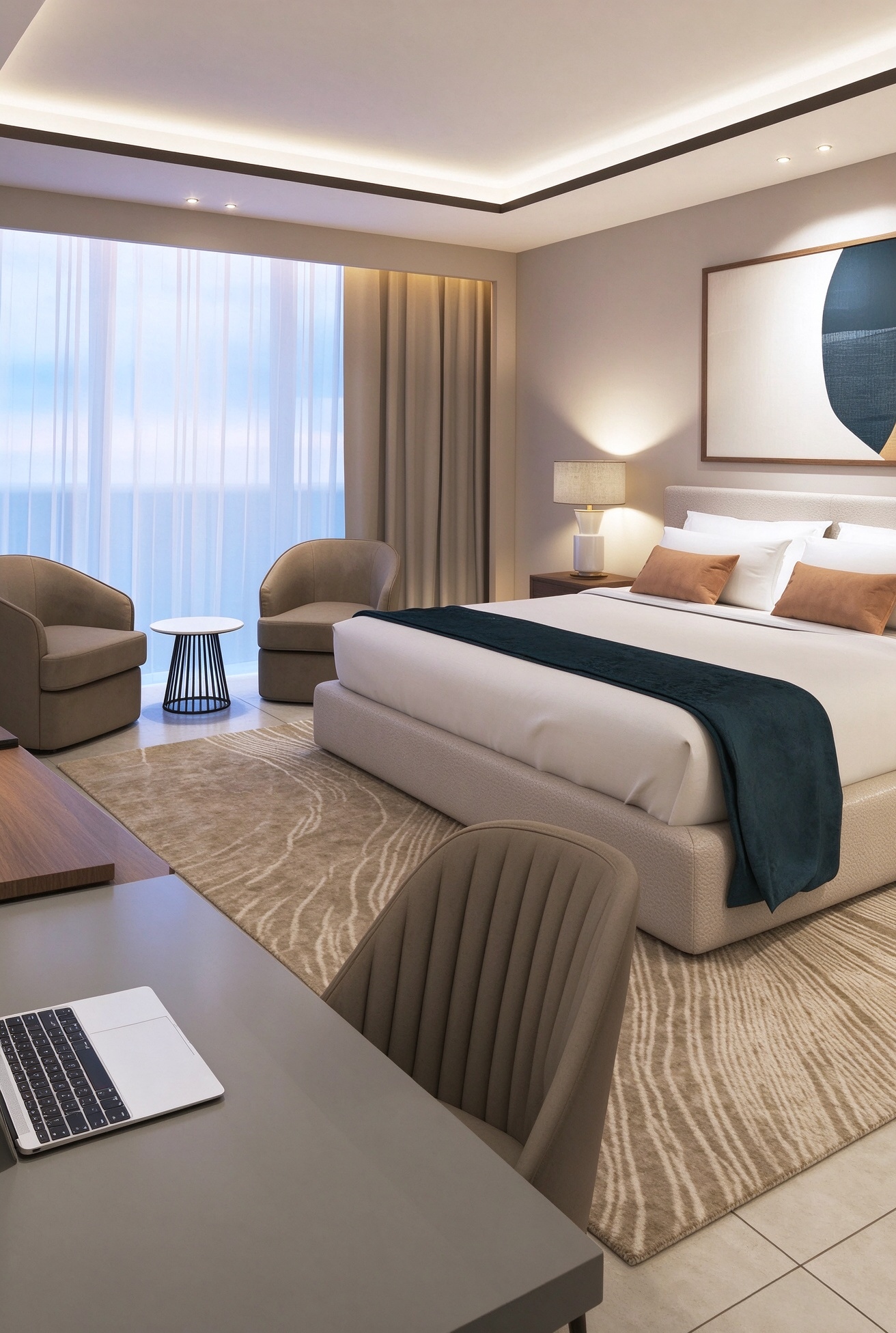
A Qatar hotel project shows how COB LED strip samples, IP ratings and matching power supplies support selection, site approval and long-term supply.
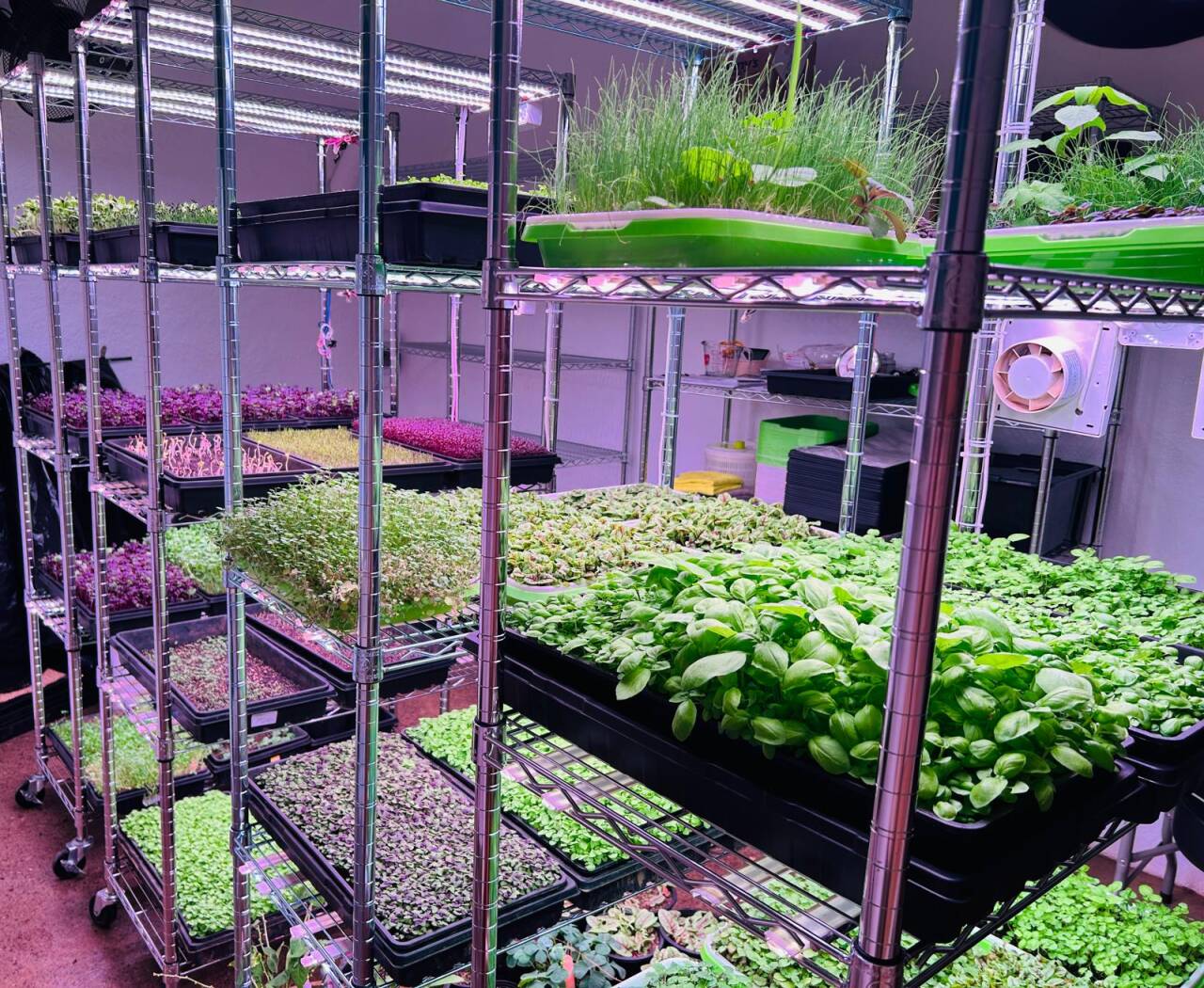
Full Spectrum LED Grow Light Strip Project for Microgreens in Fiji: From Small-Scale Testing to a Scalable Grow Rack Lighting Setup
A Fiji microgreens grow rack project using full spectrum LED grow light strips, with spectrum testing, modular installation and scalable power planning.
Recommended News