
Unified Power Supply Solutions for Multiple LED Strips/ How to Power Multiple LED Strips with One Solution
In modern home décor and commercial spaces, LED strip lights have become a popular choice for creating ambience and enhancing the overall look of a room. But there’s a common challenge: if you need to install multiple LED strips at the same time, is it possible to power them all with just one supply? How do you keep the brightness consistent and the performance stable? Do you need advanced electrical knowledge—or even special tools?
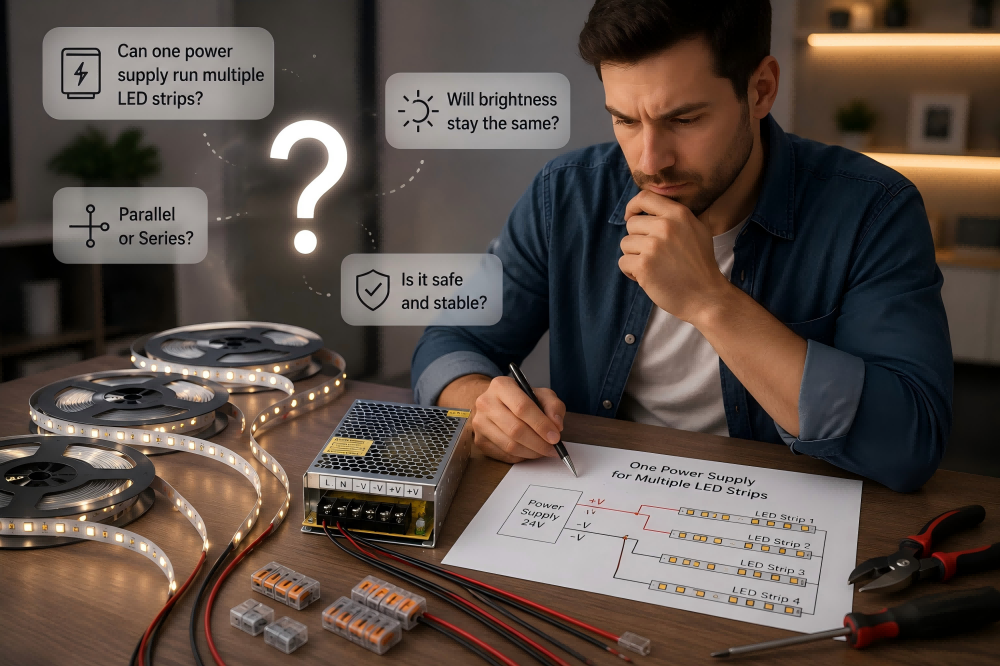
Whether you’re an experienced installer or a first-time DIY enthusiast, these questions can feel a little overwhelming. The good news is, there are simple and reliable ways to connect multiple LED strips to a single power source. In this article, we’ll walk you through the process step by step, and share real-world examples to help you achieve your desired lighting effect safely and efficiently.
Why connect multiple LED strips to one power supply?
Many people might wonder: if a single LED strip can light up a space, why bother connecting several together? The reason is simple—one strip can only cover a limited area, while using multiple strips gives you much more flexibility in design.
Sometimes, the limitation comes from the strip’s length. You can’t always use one long strip for the entire setup, so several shorter strips need to be connected instead.
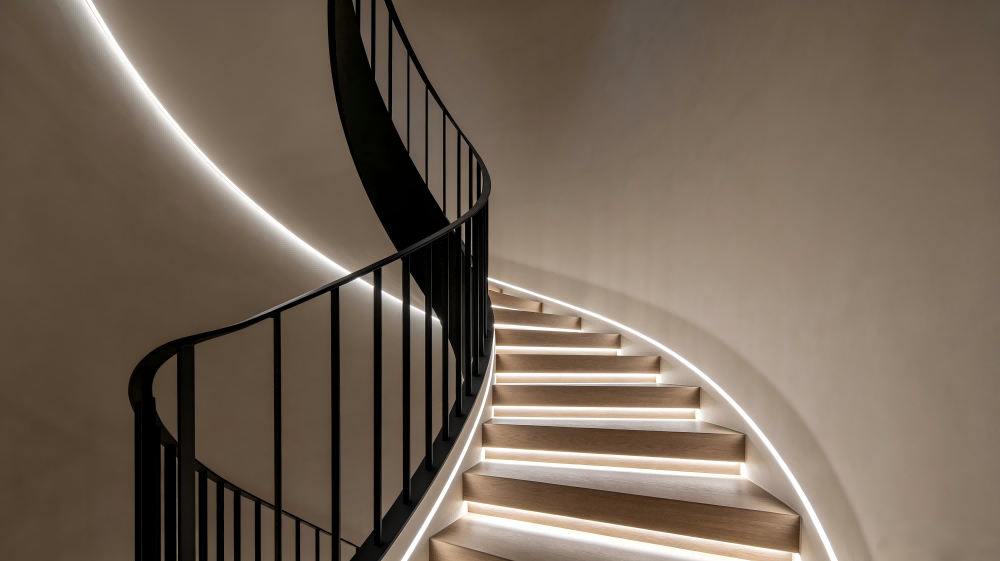
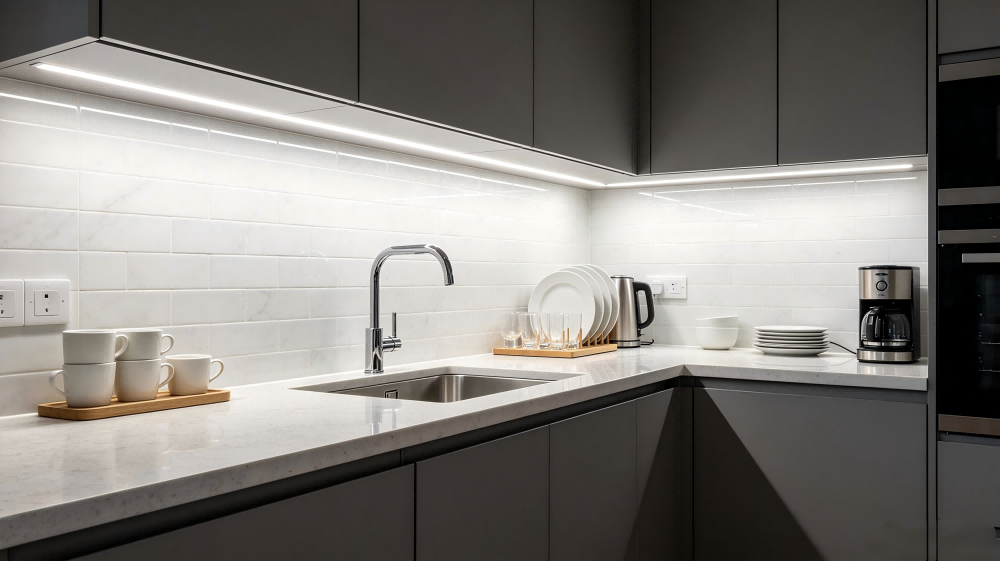
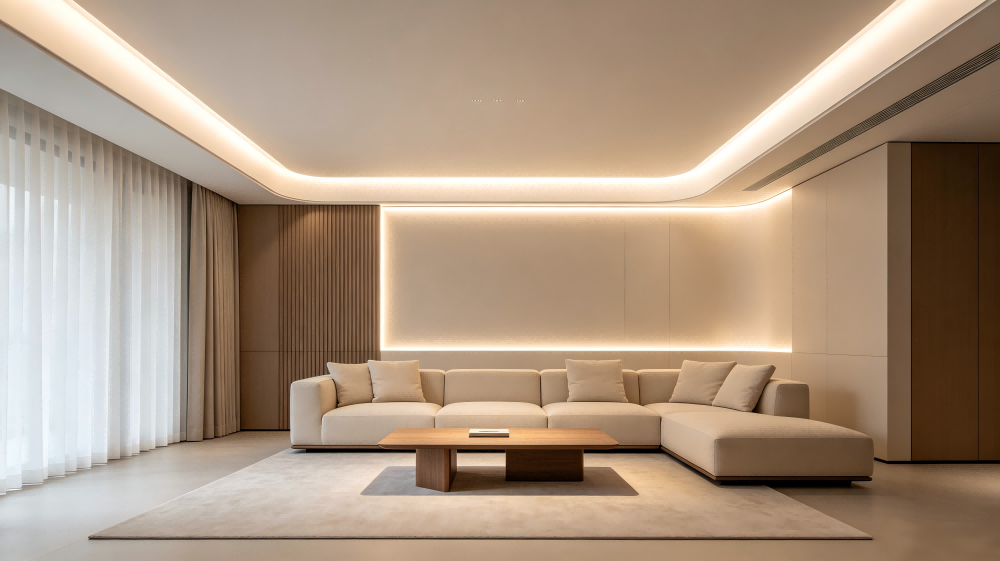

At this point, you may ask: why is the length of an LED strip limited? The answer lies in understanding voltage drop. For more details, check out our dedicated blog post on voltage drop.
Common reasons for using multiple LED strips include:
- Boosting brightness: Running several strips at the same time creates a brighter overall space.
- Wider coverage: A single strip may only light up part of the area, while multiple strips can ensure even illumination.
- Flexible design effects: Depending on the room layout or personal preference, you can combine strips to create different layers of light and shadow.
- Cost savings: Compared with adding extra traditional fixtures, combining LED strips is often a more economical solution.
- Easy adjustments: You can increase or reduce the number of strips based on your needs—without redoing the entire system.
In other words, connecting multiple LED strips is not just about making a space “brighter,” but also about creating atmosphere, comfort, and personalization.

60 lm/W vs. 100 lm/W: What Is the Technical Reality Behind Cut-Free COB LED Strip Lights?
When competitors offer higher luminous efficacy at a lower price, how do we determine whether this represents genuine technological progress or simply a more attractive set of specifications?
How Long Do LED Light Strips Last? Understanding the 50,000-Hour Rating, Early Failure Causes, and How to Extend Lifespan
How long do LED strips last in real-world use? Learn what the 50,000-hour rating really means, what affects LED strip lifespan, and how to help your lighting last longer.

ES32 PIR Sensor Stair Light Controller: Smarter, Smoother and More Efficient Stair Lighting
See how the ES32 stair light controller uses PIR motion sensors and LED strips to create smooth, automatic lighting for modern staircases.
Recommended News