
LED Sign Lighting: How to Achieve Bright, Uniform and Reliable Signs
By Sunny Zhang | Updated: Nov 6, 2026
LED sign lighting plays an important role in making business signs, advertising displays, and brand logos visible and attractive. From illuminated channel letters to large light boxes and decorative neon signs, the right lighting solution can improve visual clarity, create a consistent appearance, and support reliable long-term operation.
However, different sign structures require different lighting approaches. Brightness alone is not enough. Factors such as installation space, light distribution, cutting flexibility, power supply, and environmental protection all affect the final result.
In this guide, we will explore how to choose the right LED lighting for different types of signs, how to build a custom LED strip sign, and what to consider during installation.
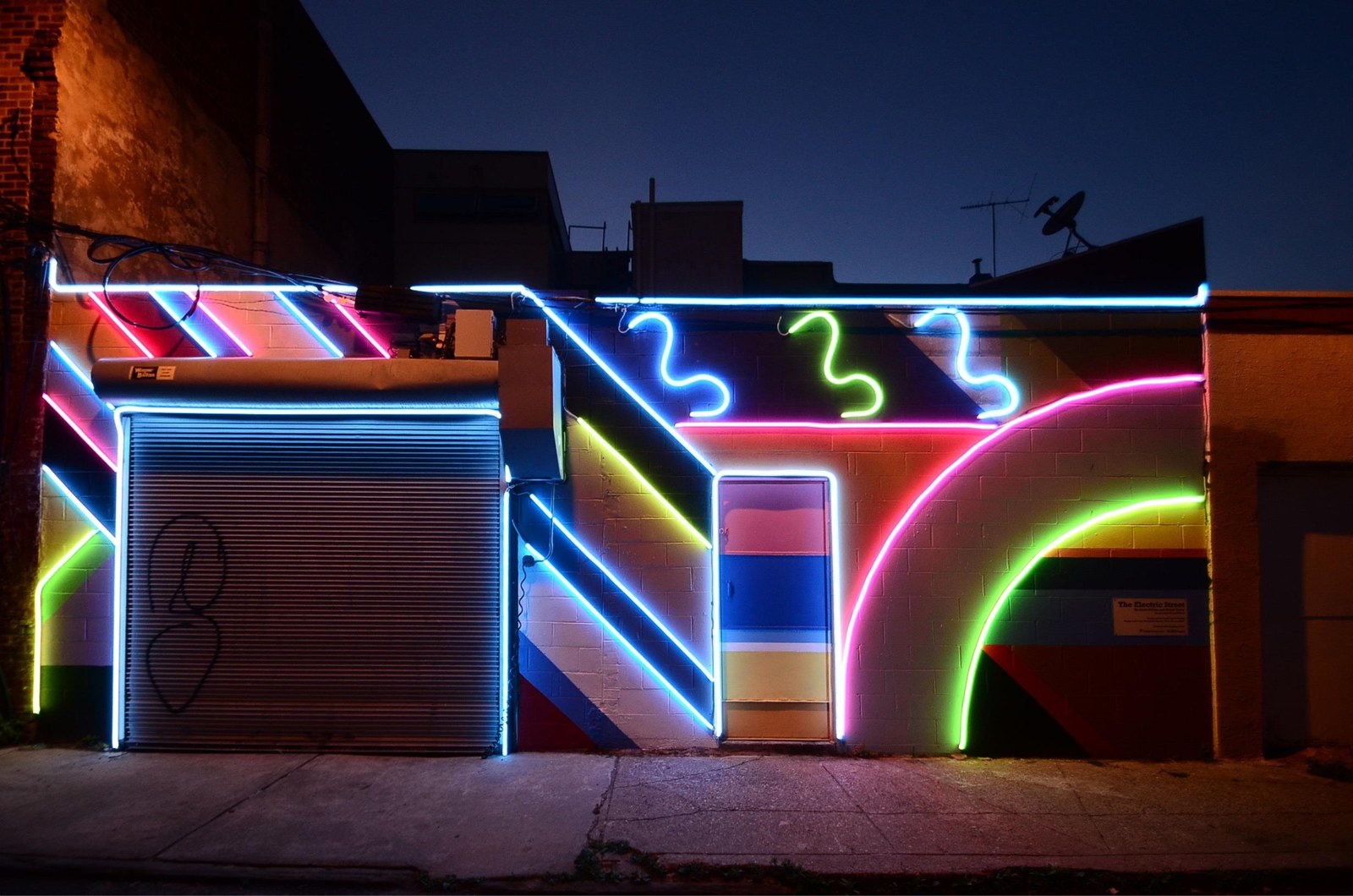
Why Is LED Lighting Widely Used for Signs?
LED lighting has become a popular choice for commercial signage because it combines energy efficiency, design flexibility, and a wide range of lighting effects.
Energy Efficiency: LEDs can provide effective illumination with relatively low power consumption compared with many traditional lighting options. This makes them suitable for signs that operate for extended periods, such as storefront signs, retail displays, and commercial advertising boards.
Design Flexibility: LED strips and neon flex can accommodate straight lines, curves, lettering, and decorative outlines. Different sizes, colors, and light-emitting directions make it easier to integrate lighting into various sign designs.
Consistent Lighting Performance: With the right product and installation layout, LED lighting can create smooth, uniform illumination and help minimize dark spots or uneven brightness. High-density COB strips and suitable neon flex products are useful options for applications where a continuous lighting effect is desired.
Flexible Applications: From indoor display signs to outdoor storefront logos, LED lighting is available in different voltage, color, and protection configurations to meet different project requirements.
The key is to select a lighting solution that matches the sign's structure, desired appearance, and operating environment.
How to Choose the Right LED Lighting for Signs
Not every sign requires the same type of LED lighting. Channel letters, light boxes, and neon outline signs have different structural and visual requirements. Understanding these differences helps you choose a suitable product and avoid unnecessary installation adjustments.
(1) LED Lighting for Channel Letters
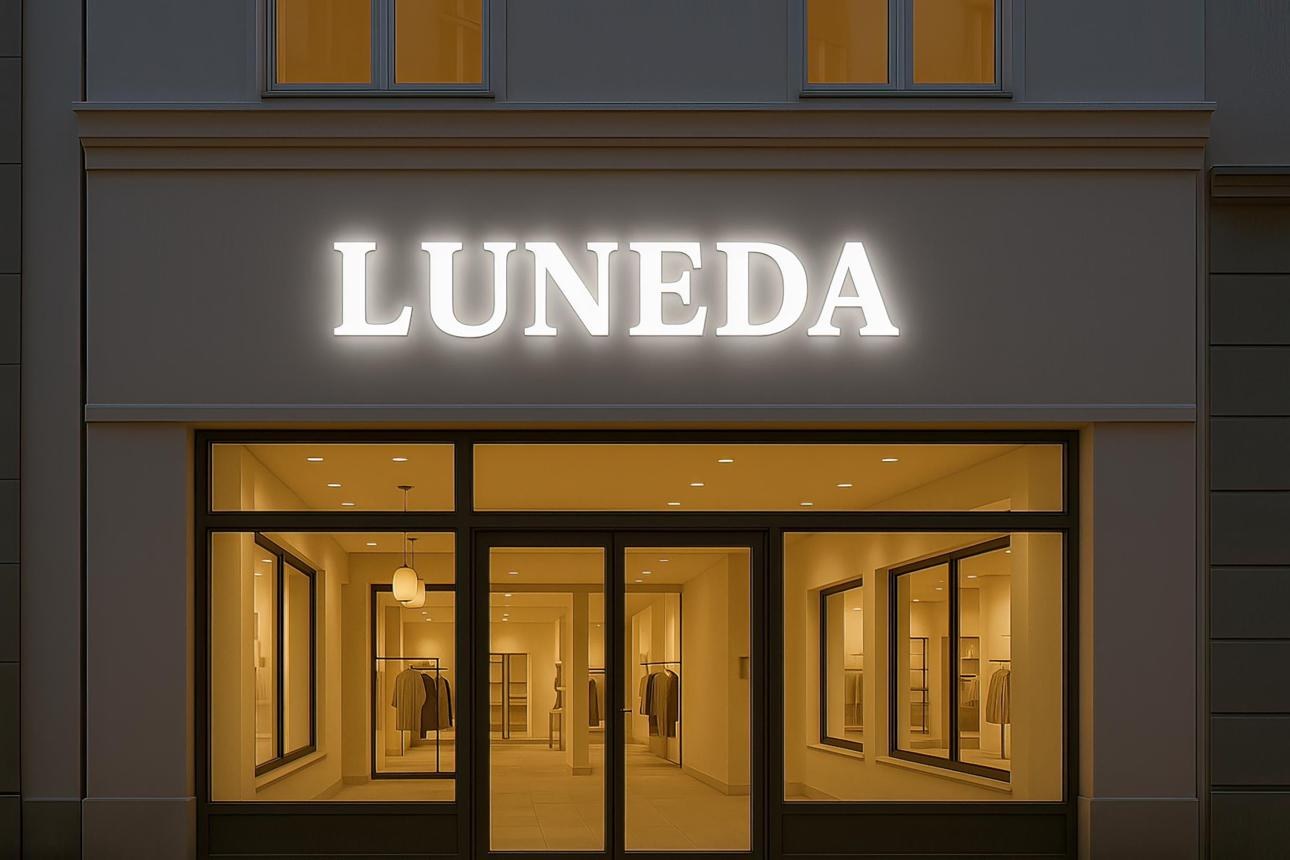
Channel letters are three-dimensional letters commonly used for storefront signs, business names, and illuminated brand logos. Their internal space can be narrow, and individual letters often include curves, corners, and irregular shapes.
Choosing the right lighting solution requires attention to the depth and width of each letter, the position of the light source, and the distance between the LEDs and the front diffuser.
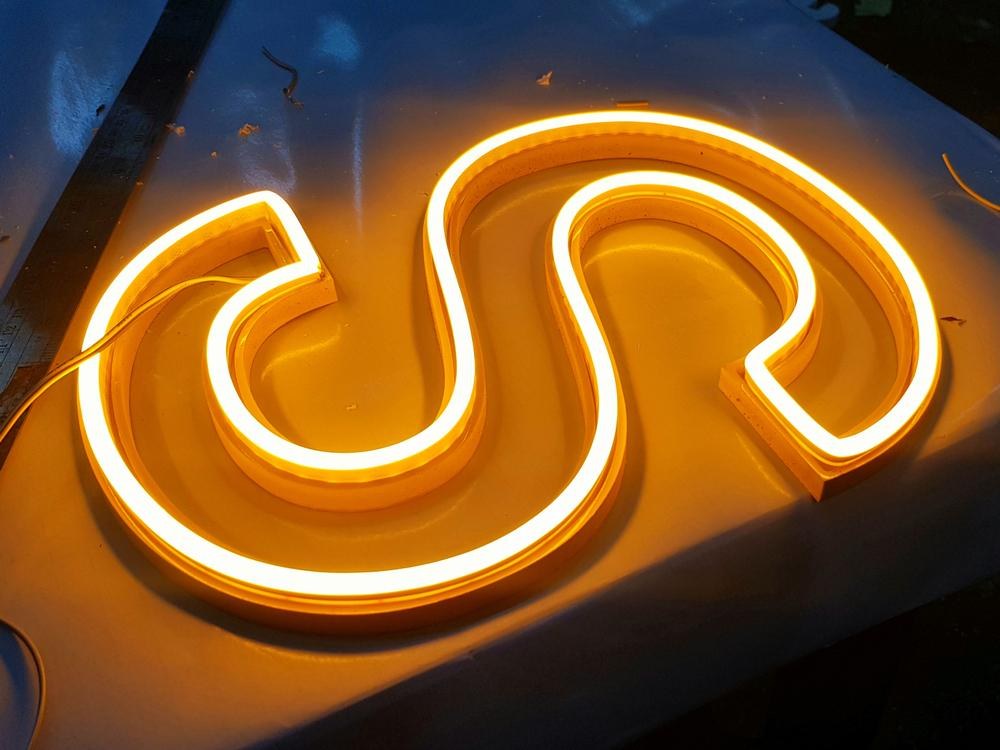
For signs with complex contours, a flexible LED strip can help installers follow the letter shape more easily. S-shaped LED strips are particularly useful for curved layouts because their zigzag structure allows bending in multiple directions. They can be considered for suitable channel-letter designs, especially where conventional straight strips are difficult to position.
Explore our Multi-Color S-Shape LED Strips for signage lettering, advertising characters, and other applications involving irregular shapes.
For designs that require a continuous illuminated outline, front-emitting neon flex may also be an option. The best choice depends on the letter dimensions, mounting method, and required lighting effect.
(2) LED Lighting for Light Boxes
Light boxes are widely used in retail stores, shopping centers, exhibitions, restaurants, and outdoor advertising. Their main lighting challenge is achieving sufficient brightness across the entire graphic without visible dark areas or distracting hotspots.
Several factors influence the result, including the distance between the LEDs and the sign face, the spacing of the light sources, the depth of the box, and the characteristics of the diffuser.
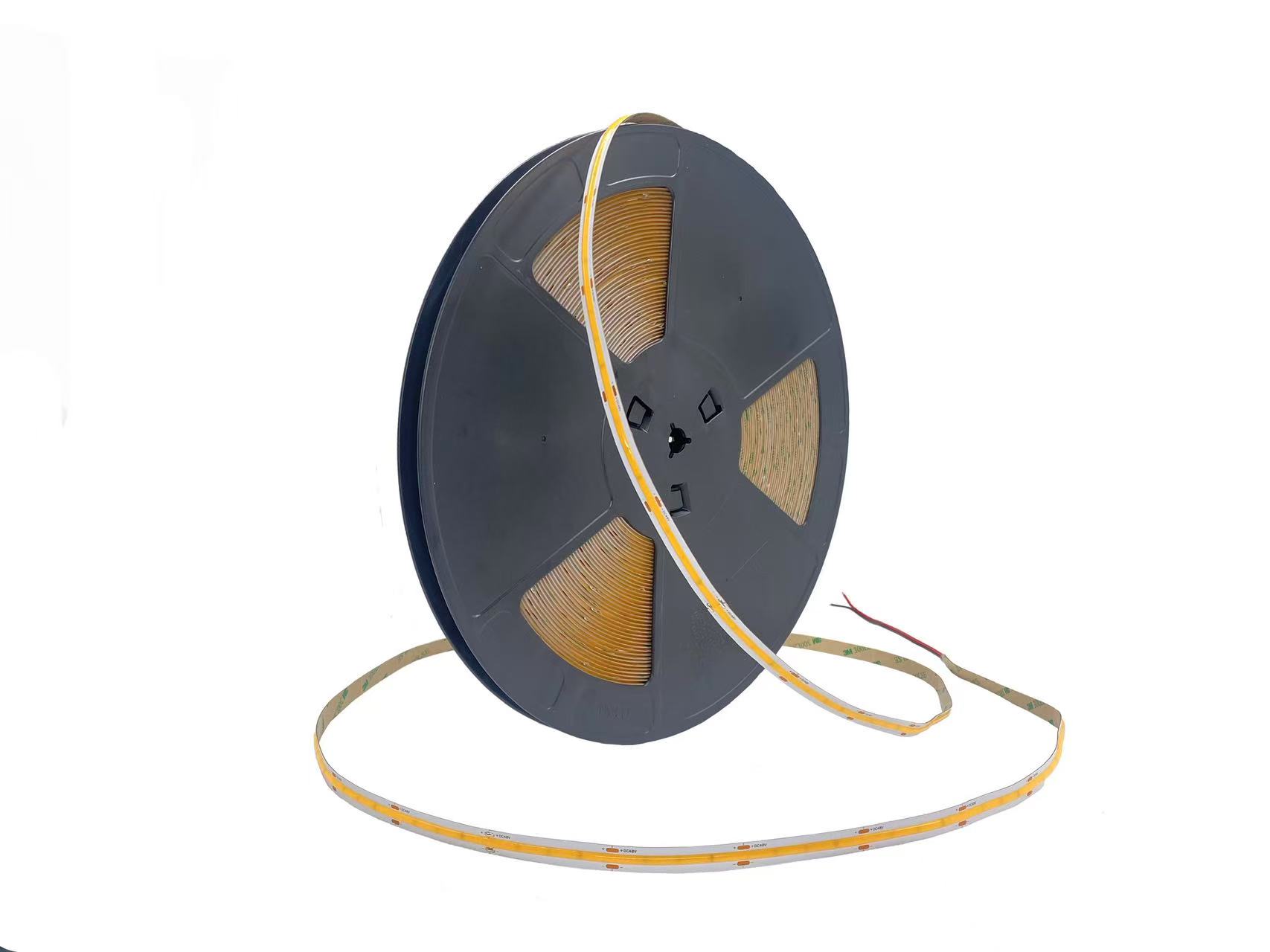
COB LED strips are worth considering when a smooth, continuous light output is required. Their closely arranged LED chips help reduce the visible dot effect associated with some conventional LED strips.
For applications that need higher light output or broader coverage, a double-row COB LED strip may be suitable, provided its power and installation requirements match the project. Where adjustable white color temperature is needed, a dual-color COB LED strip can offer additional flexibility.
Explore these options:
Double Row COB LED Strip for applications requiring bright, continuous linear illumination.
Dual Color COB LED Strip for signage and light boxes that benefit from adjustable warm-to-cool white lighting.
Remember that using a high-density strip alone does not guarantee uniform backlighting. The internal layout, installation depth, diffuser, and reflective surfaces must work together to distribute light effectively.

(3) LED Neon Lighting for Signs and Outlines
Neon signs and outline signs are commonly used for brand logos, decorative lettering, storefront features, and architectural contours. Unlike exposed LED strips, neon flex uses a flexible outer housing to create a smooth, continuous illuminated line.
The most suitable neon flex depends on how the sign is designed.
Front-Emitting Neon Flex: Directs light through its front surface and is suitable for many outline designs where the illuminated face needs to point toward the viewer.
Side-Emitting Neon Flex: Emits light from the side and can be useful for horizontal contours, edge designs, and layouts where the light needs to face sideways.
360-Degree Neon Flex: Emits light around its profile and can be considered for certain decorative shapes, rings, and special sign designs.
Before choosing a product, check its cross-sectional dimensions, bending direction, minimum bending radius, cutting instructions, and protection rating. These details affect how easily the strip can follow the design and how reliably it performs after installation.
You can explore LEDWorker's Neon Flex LED Strip range for different profiles and lighting directions, or learn more about Side-Emitting Neon LED Strips.
For outdoor signs, make sure the selected product and its connections are suitable for the actual weather exposure and installation conditions.
Recommended News