
5050 LED Strip Lights: The Guide Before You Buy
As LED technology continues to advance, 5050 LED strip lights have become an essential component of modern lighting design. Whether for home décor, smart home systems, architectural lighting, commercial spaces, signage, advertising backlighting, or outdoor applications, LW Lighting's 5050 LED strip lights are widely used across a broad range of scenarios — thanks to their high brightness, rich color options, and flexible installation. For staircases and step areas in particular, led strip lights for steps offer a sleek and practical solution that integrates seamlessly into both residential and commercial environments.
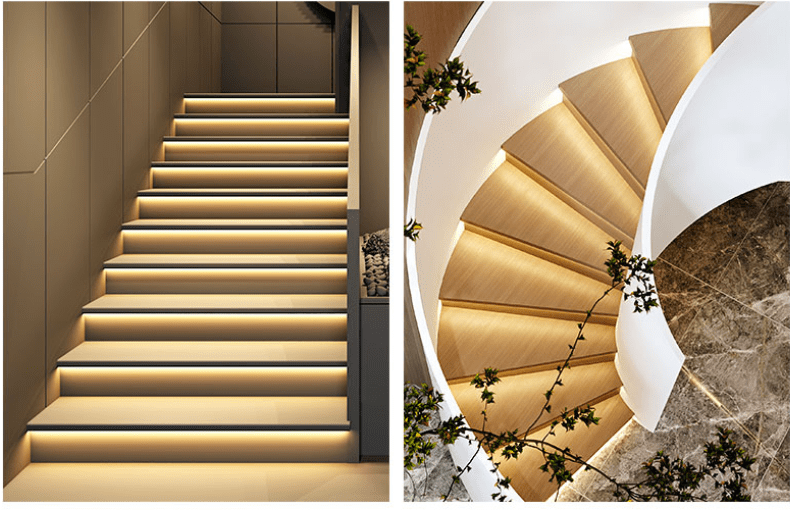
This article takes an in-depth look at how 5050 LED strip lights work, how they differ from other types of strip lights, their most common applications, installation methods, and the key factors to consider before making a purchase. With this information, you'll be equipped to make a smarter buying decision and ensure your project achieves the best possible lighting results — because every detail matters when you want to day better led strip lights bring out in your space.
What Is 5050 LED Strip?
The 5050 LED strip light is a type of SMD (Surface-Mounted Device) strip light, where "5050" refers to the dimensions of the LED chip — each chip measures 5.0mm in both width and length. SMD technology means these LED chips are mounted directly onto the surface of a flexible PCB board, and the strips typically operate at 12V or 24V.
The internal structure of a 5050 LED consists of three white light chips. This is why 5050 LED strip lights deliver three times the brightness of 3528 LED chips, generally providing significantly stronger illumination than their 3528 counterparts.
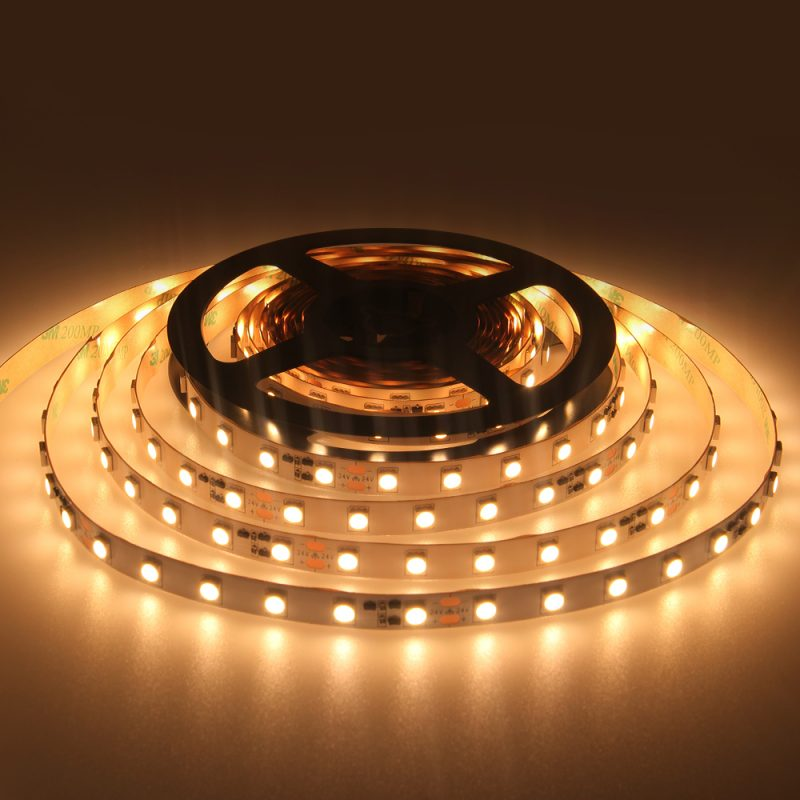
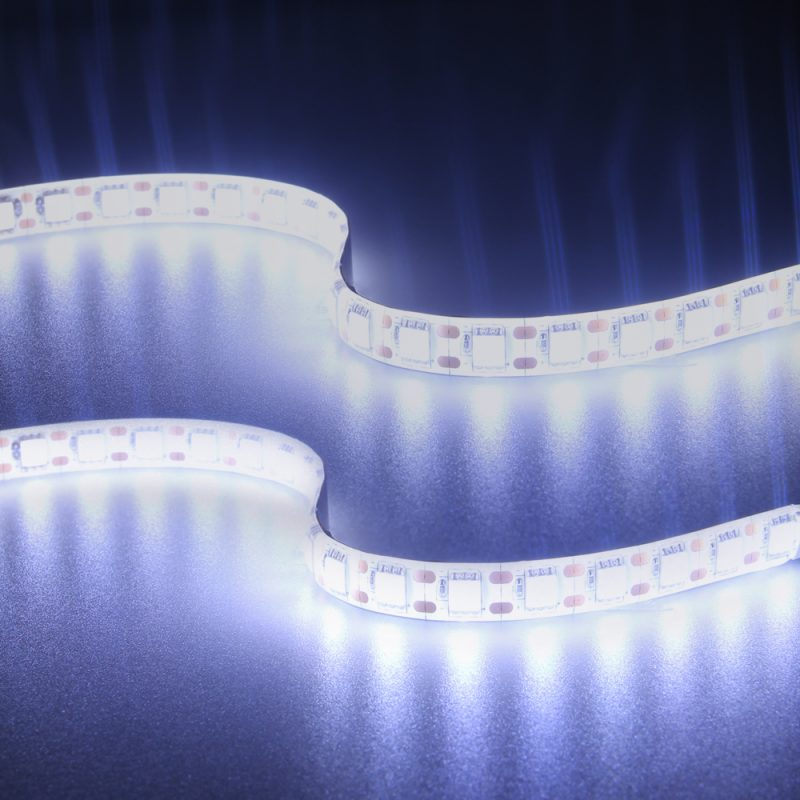
It's worth noting, however, that the performance of an LED strip light is not determined by chip size alone. Although 5050 LED chips are larger in size, brightness and color performance do not have a direct or inevitable relationship with size. Other factors — such as wattage and drive current — also play an important role in determining the final output. When used as stick on led strips in spaces like rooms, hallways, or accent walls, understanding these technical distinctions helps ensure you select the right strip for your specific needs.
What's the Difference Between 2835, 3528, and 5050 LED Strip Lights?
The 2835, 3528, and 5050 are among the most common LED strip light types available today. They differ in physical size, brightness, heat dissipation, suitable applications, and price.
| Feature | 2835 LED Strip | 3528 LED Strip | 5050 LED Strip |
| Chip Size | 2.8mm × 3.5mm | 3.5mm × 2.8mm | 5.0mm × 5.0mm |
| Structure | Single-chip, compact design | Single-chip, greater thickness | Three-chip (three integrated diodes), larger light-emitting area |
| Brightness | High | Low | High |
| Size & Shape | Rectangular, ideal for narrow installations | Rectangular, thicker, suited for decorative lighting | Square chip, wider PCB board, typically 10mm |
| Heat Dissipation | Good — suitable for low-power, extended use | Average — better suited for shorter or low-power applications | Excellent — handles high-power operation with superior thermal management |
| Common Applications | Ambient lighting, TV backlighting, home décor | Small decorative fixtures, low-brightness accent lighting | Kitchen and cabinet lighting, advertising displays, stage lighting, and other high-brightness applications |
| Pros & Cons | ✅ Low power consumption, long-lasting ❌ Lower brightness | ✅ Low power consumption, energy-efficient ❌ Lower brightness | ✅ High brightness, multi-chip design, versatile ❌ Higher power consumption |
| Price | Mid-range | Budget-friendly | Premium |
In summary, the 2835 is suited for low-brightness, energy-efficient applications; the 3528 works well for decorative lighting; and the 5050 delivers high brightness for spaces that demand powerful illumination — making it a popular choice as a strip lights led for room upgrades where strong, even lighting is a priority. Choose based on your brightness requirements, power consumption tolerance, and budget.
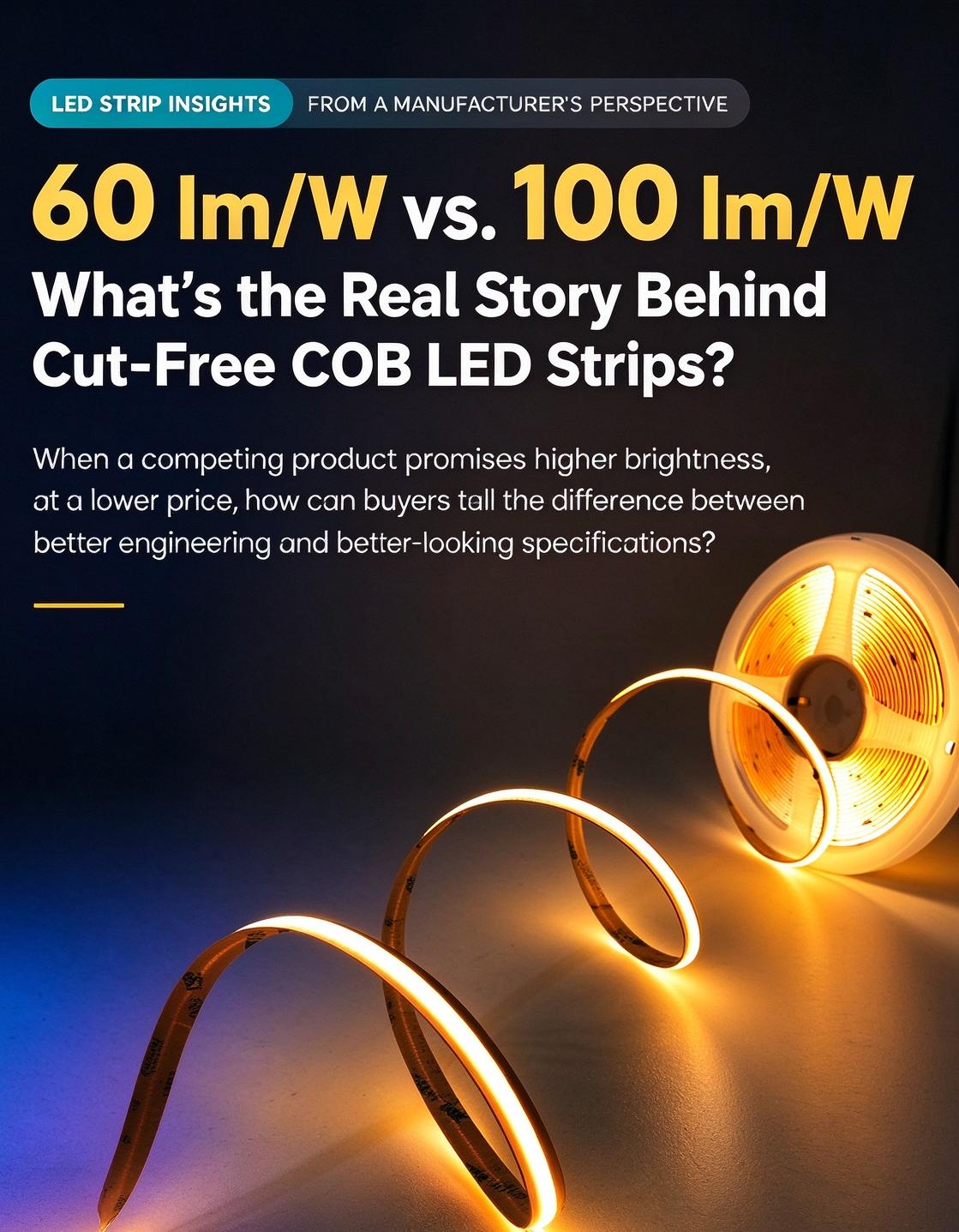
60 lm/W vs. 100 lm/W: What Is the Technical Reality Behind Cut-Free COB LED Strip Lights?
When competitors offer higher luminous efficacy at a lower price, how do we determine whether this represents genuine technological progress or simply a more attractive set of specifications?
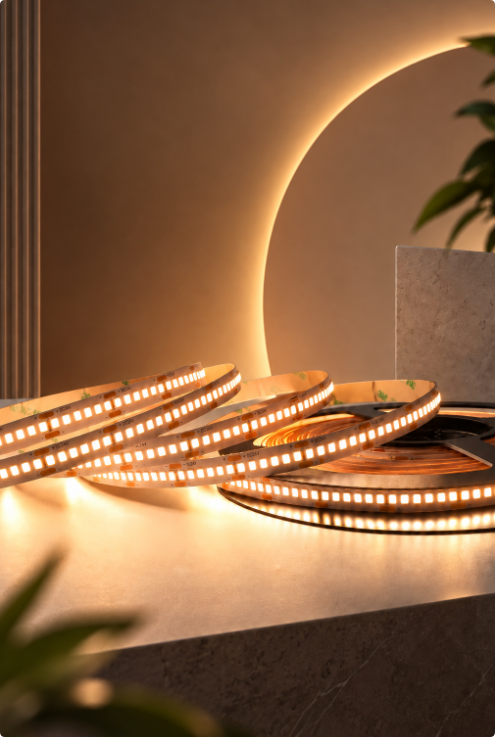
How Long Do LED Light Strips Last? Understanding the 50,000-Hour Rating, Early Failure Causes, and How to Extend Lifespan
How long do LED strips last in real-world use? Learn what the 50,000-hour rating really means, what affects LED strip lifespan, and how to help your lighting last longer.

ES32 PIR Sensor Stair Light Controller: Smarter, Smoother and More Efficient Stair Lighting
See how the ES32 stair light controller uses PIR motion sensors and LED strips to create smooth, automatic lighting for modern staircases.
Recommended News