
LED Aluminum Extrusion Types: A Buyer’s Guide for Lighting Projects
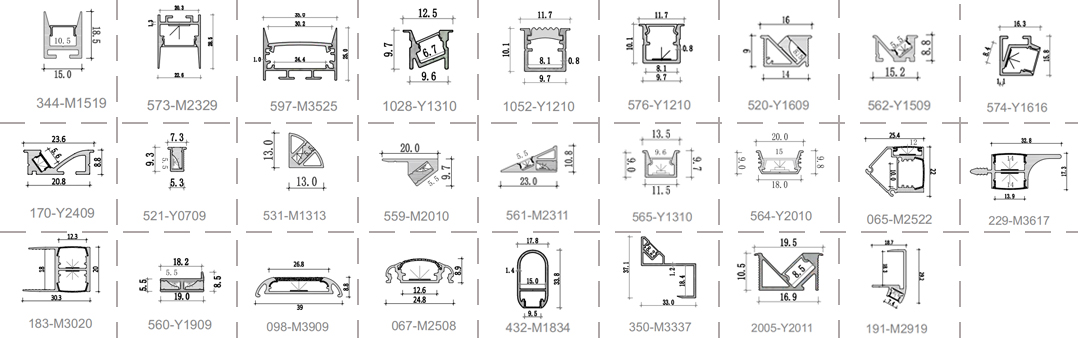
1. Cabinet & Furniture Series
- Applications: Kitchen cabinets, wardrobes, drawers, display cases, furniture edges.
- Ideal for: Cabinet makers, furniture designers, home improvement brands.
- Advantages: Compact design for easy embedded installation; excellent heat dissipation extends LED strip lifespan; enhances internal cabinet illumination and space aesthetics.
- Best Choice: Slim or ultra-thin LED aluminum profiles with high-transparency PC covers; ideal for limited spaces.
2. Surface-Mounted Series
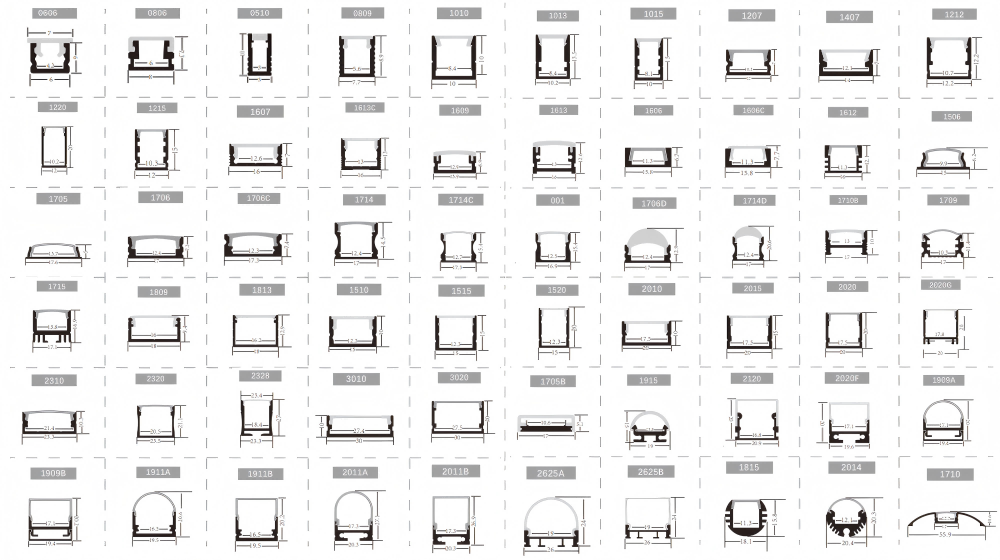
- Applications: Residential lighting, commercial areas, offices, conference rooms, wall or ceiling mounting.
- Ideal for: Home renovators, lighting installers, DIY hobbyists.
- Advantages: No slotting required; easy installation on any flat surface; DIY customizable assembly; high flexibility.
- Best Choice: Standard or wide surface-mounted LED profiles; thickness depends on LED strip wattage and setup needs.
3. Corner Light Series
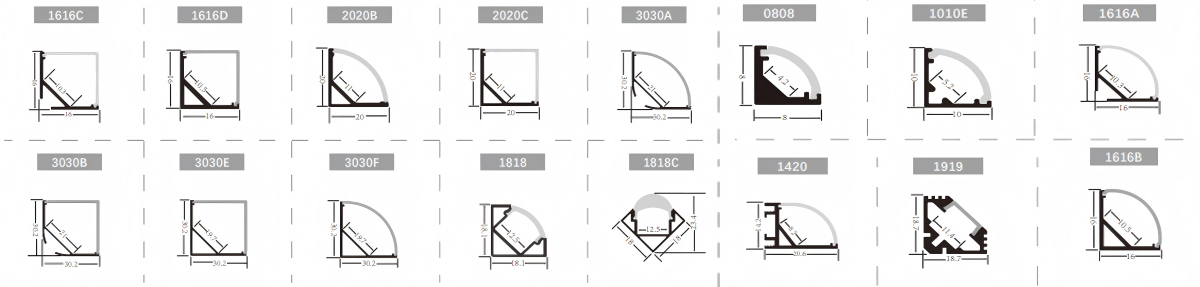
- Applications: Wall corners, ceiling junctions, corner cabinets, L-shaped spaces.
- Ideal for: Interior decorators, shopfitting companies, custom display makers.
- Advantages: Designed for 90° corners; even light distribution; improves corner illumination.
- Best Choice: Inner or outer corner LED aluminum profiles based on actual installation.
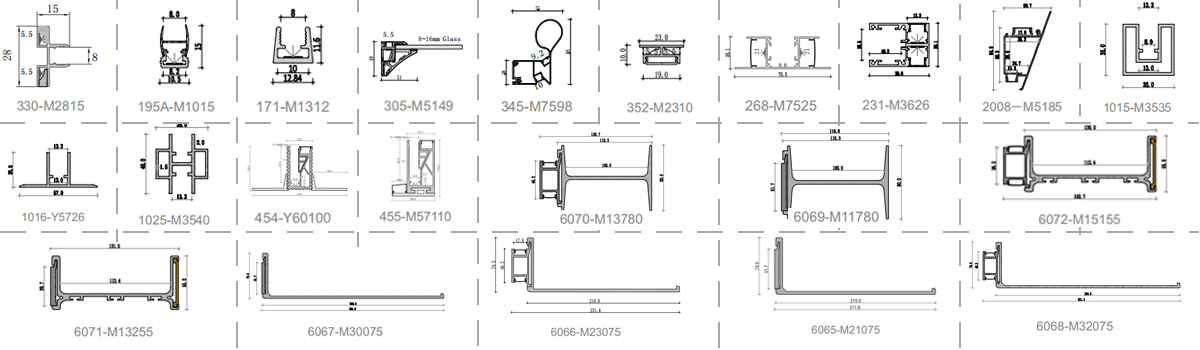
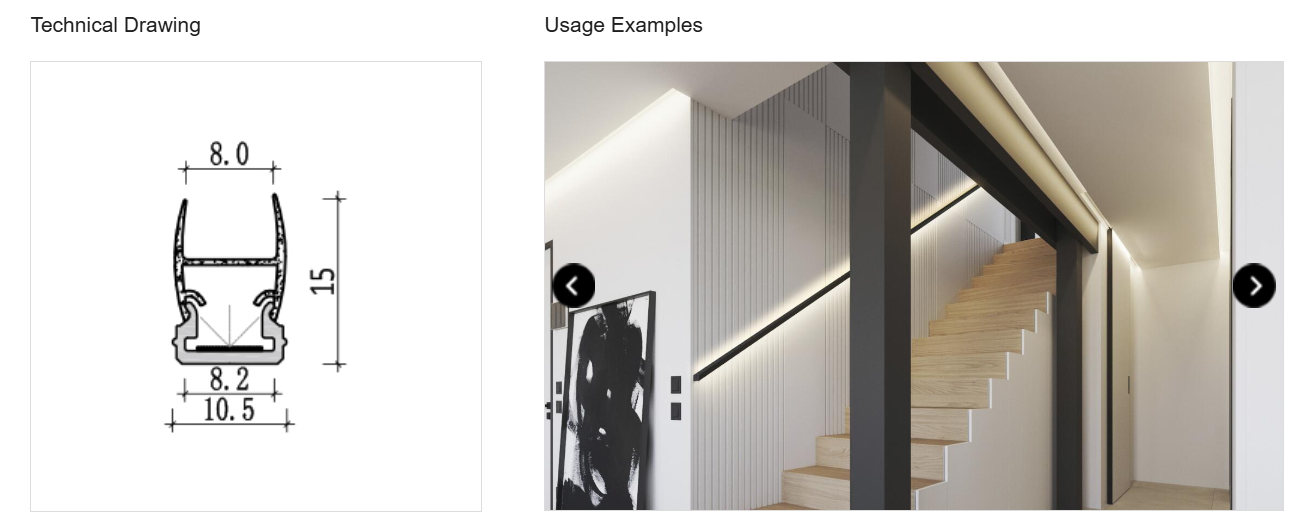
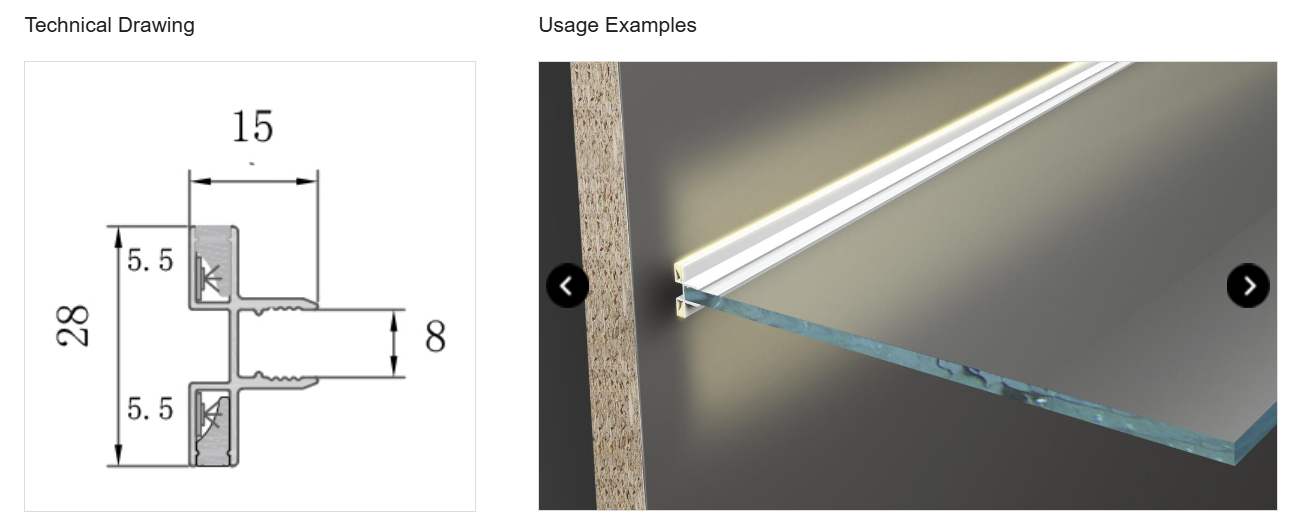
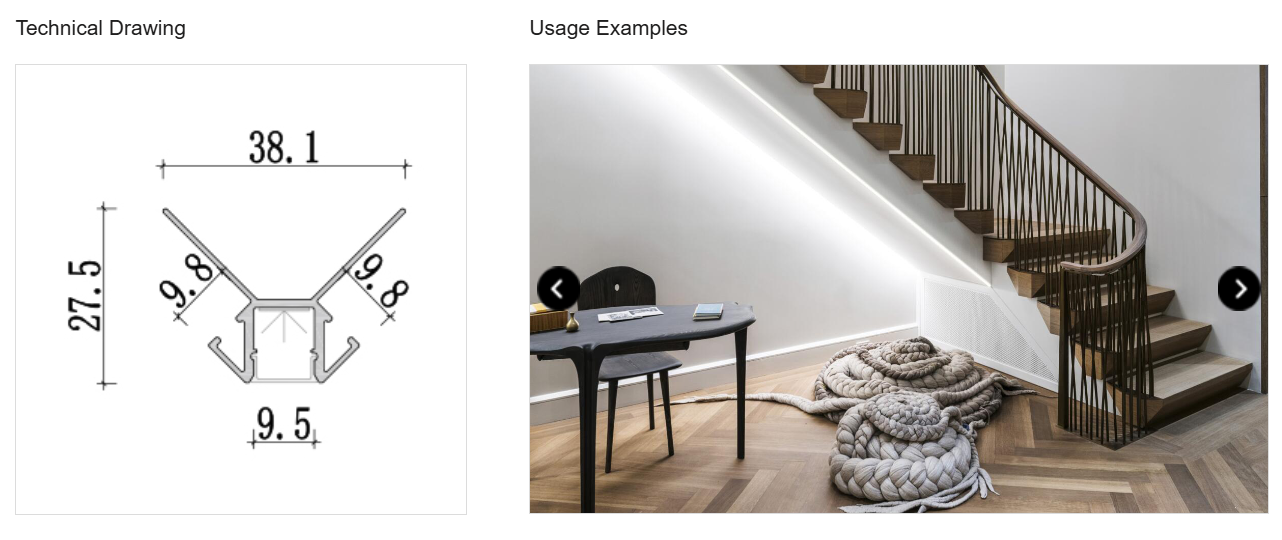
4. Laminate & Stair Linear Light Series
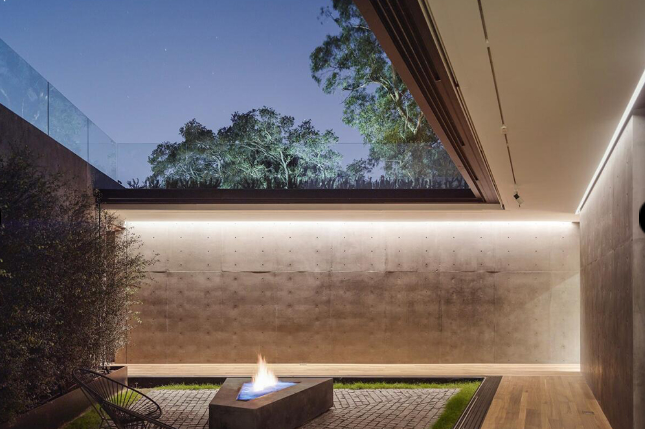
- Applications: Shelves, cabinets, stairs, display racks.
- Ideal for: Furniture makers, staircase installers, shop display designers.
- Advantages: Gentle downward lighting improves visibility and stair safety; decorative and functional.
- Best Choice: Side or downward-emitting stair LED profiles; anti-slip designs for stairs.
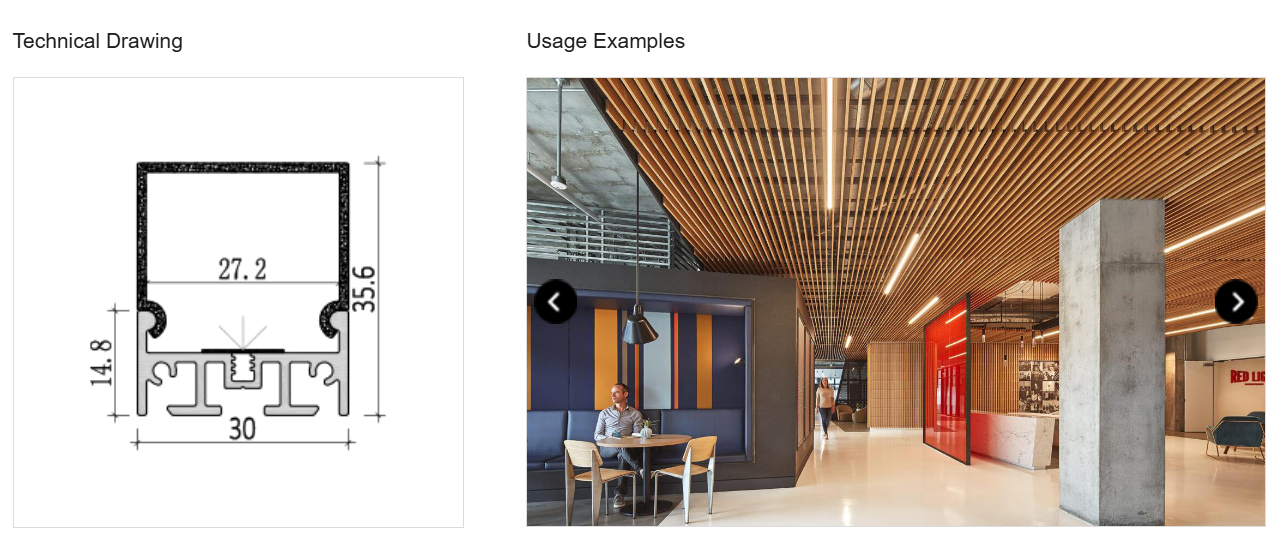
5. Three-Side Light Series
- Applications: Display cabinets, showcases, glass counters, light boxes.
- Ideal for: Retail display makers, exhibition contractors, store renovators.
- Advantages: 3-way lighting ensures bright, shadow-free illumination; enhances product appeal.
- Best Choice: High-diffusion PC covers for soft, even light.
6. Clapboard Series
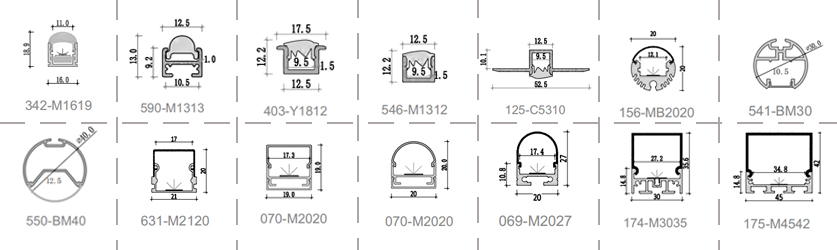
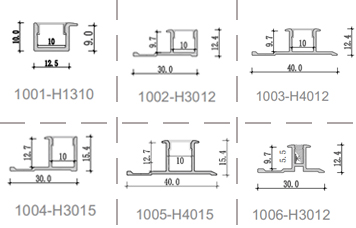
- Applications: Bookshelves, partitions, cabinet walls.
- Ideal for: Furniture brands, office partition suppliers.
- Advantages: Space-saving embedded design; makes multi-layer furniture stylish and functional.
- Best Choice: Ultra-narrow or hidden LED profiles for slim spaces.
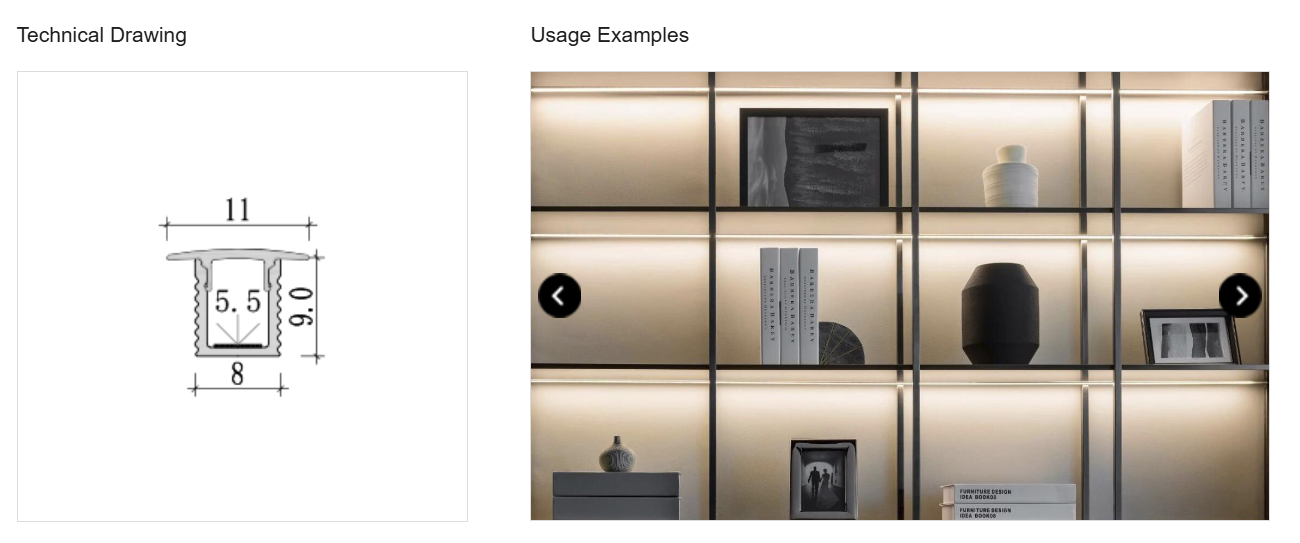
7. Recessed Series
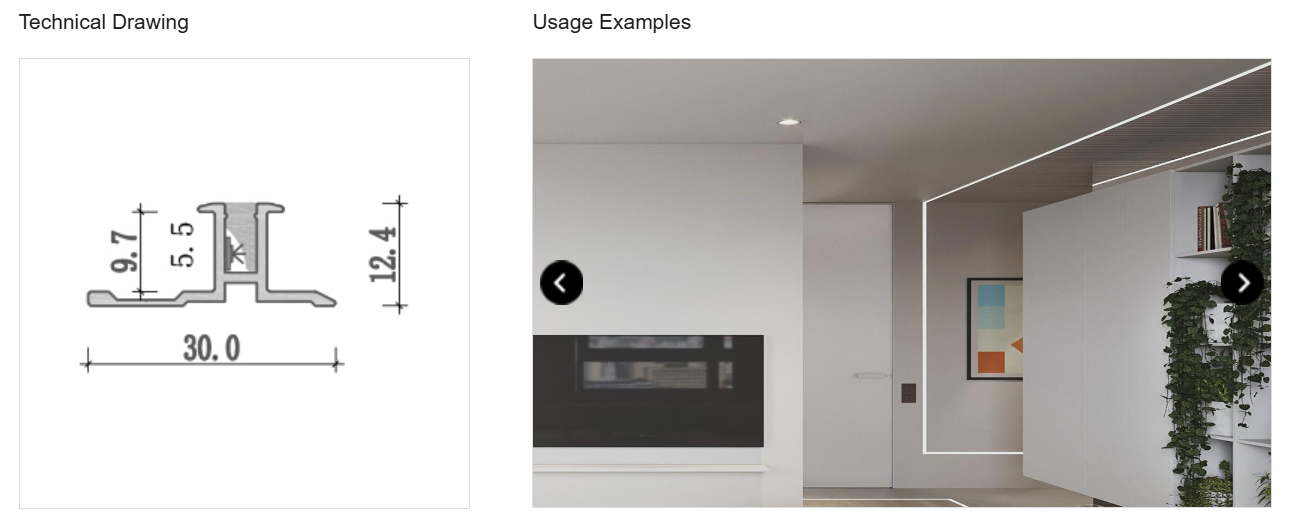
- Applications: Ceilings, walls, panels.
- Ideal for: Luxury home builders, modern interior designers.
- Advantages: Smooth flush mounting; perfect for clean, hidden lighting styles.
- Best Choice: Recessed profiles with light-blocking edges for decoration and illumination.
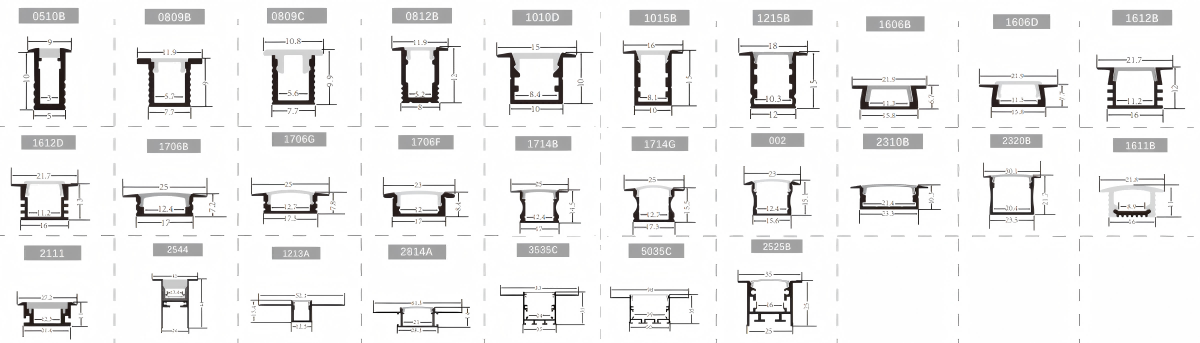
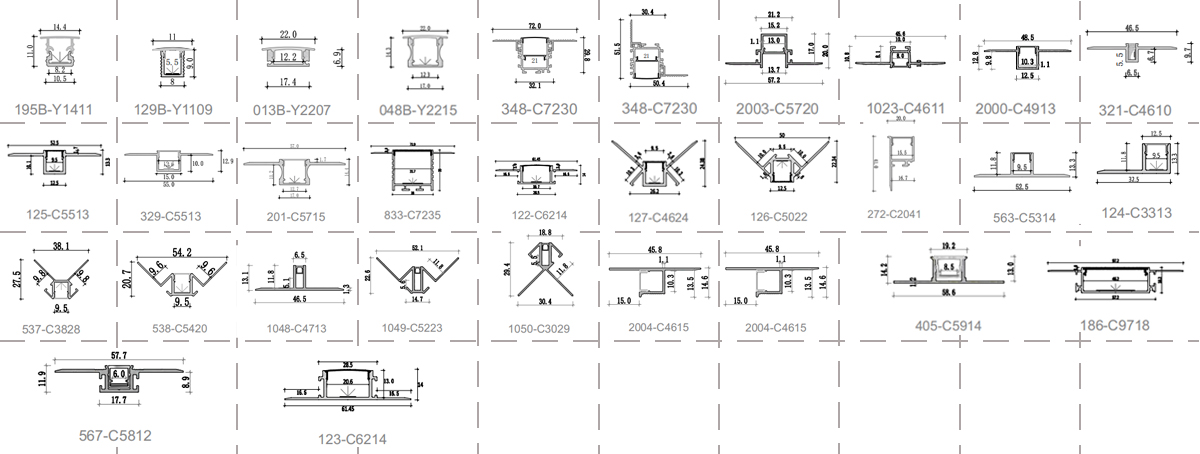
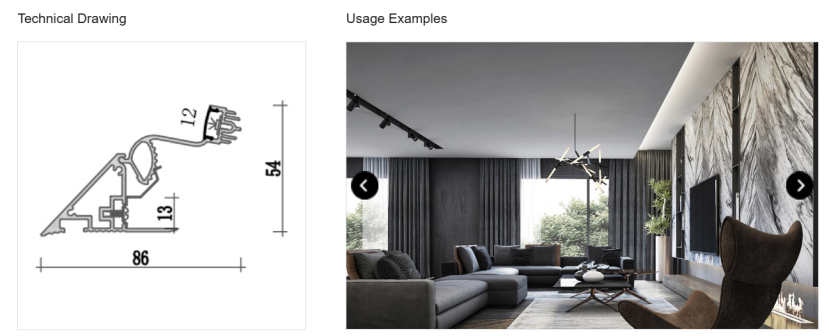
- Applications: Villas, hotels, premium offices.
- Ideal for: High-end architects, luxury interior contractors.
- Advantages: Seamless and elegant; fully flush with the surface.
- Best Choice: Large trimless profiles for wide and uniform light.
9. Indirect Lighting Series
- Applications: Cove ceilings, wall edges, indirect light features.
- Ideal for: Decor specialists, creative lighting installers.
- Advantages: Soft, ambient light without glare; adds texture and mood.
- Best Choice: U-shaped or C-shaped reflective profiles for smooth indirect effects.
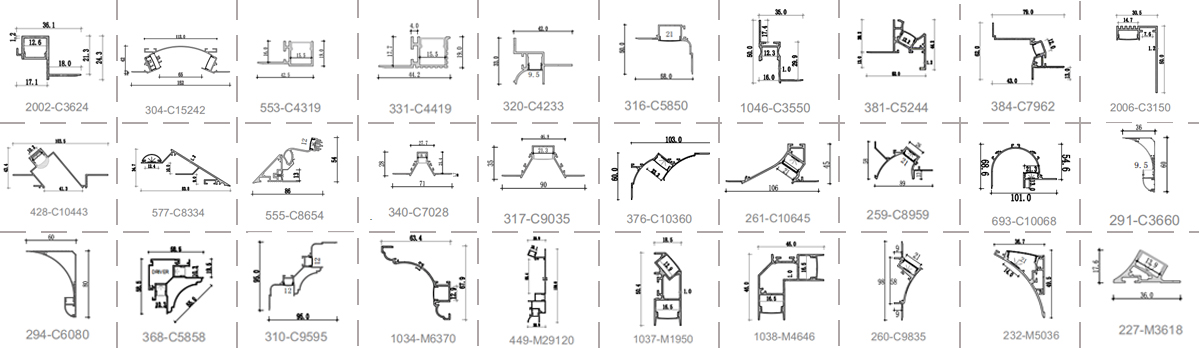
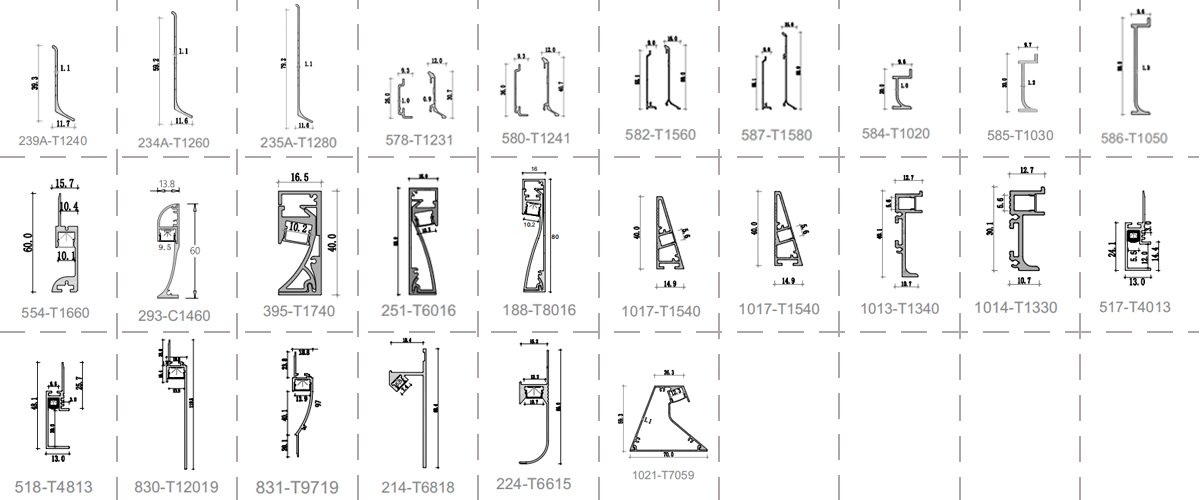
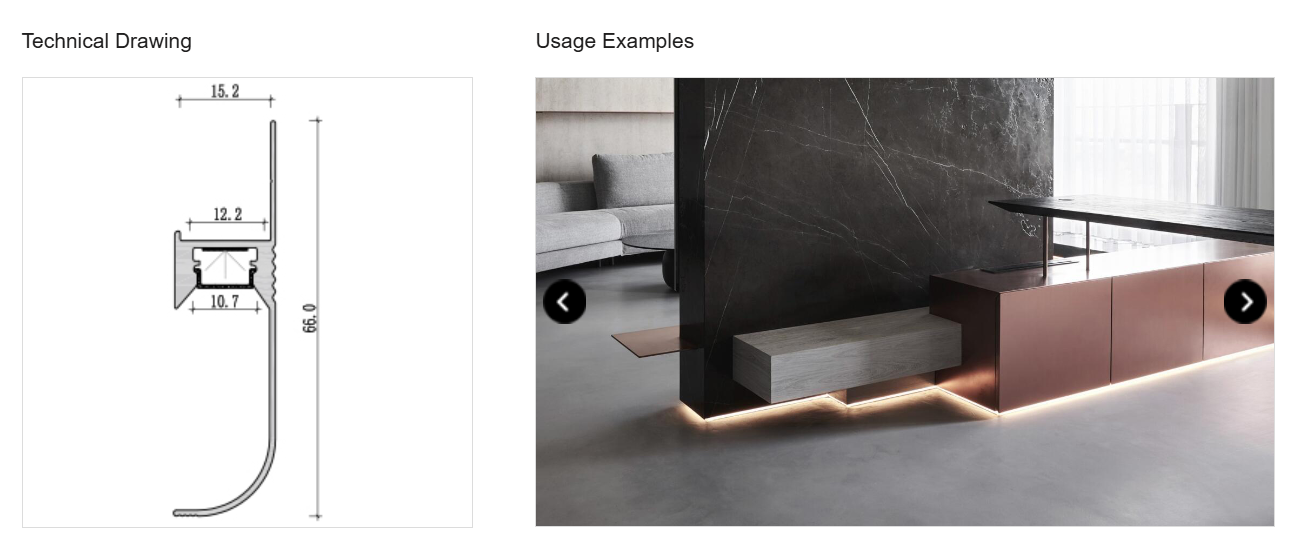
- Applications: Baseboards, corridor guides, low-level lighting.
- Ideal for: Smart home designers, public space renovators.
- Advantages: Combines safety guidance and decoration; improves nighttime visibility.
- Best Choice: Waterproof and dustproof skirting LED profiles.
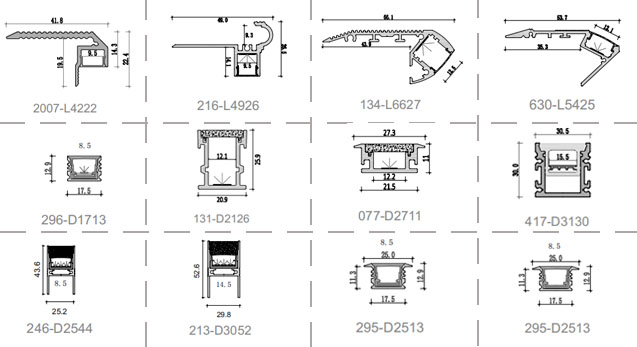
- Applications: Stairs, walkways, outdoor floors, parking lots.
- Ideal for: Outdoor space designers, landscape project contractors.
- Advantages: Strong, waterproof, anti-slip; safe for walking and driving at night.
- Best Choice: Thick waterproof profiles with anti-slip surface.
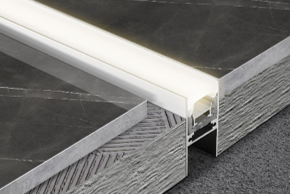
- Applications: Malls, offices, galleries, modern homes.
- Ideal for: Shopfitters, retail space planners, interior lighting pros.
- Advantages: Easy magnetic install; modular setup; anti-glare design for soft, comfortable light.
- Best Choice: Use with magnetic lights; anti-glare louver profiles.

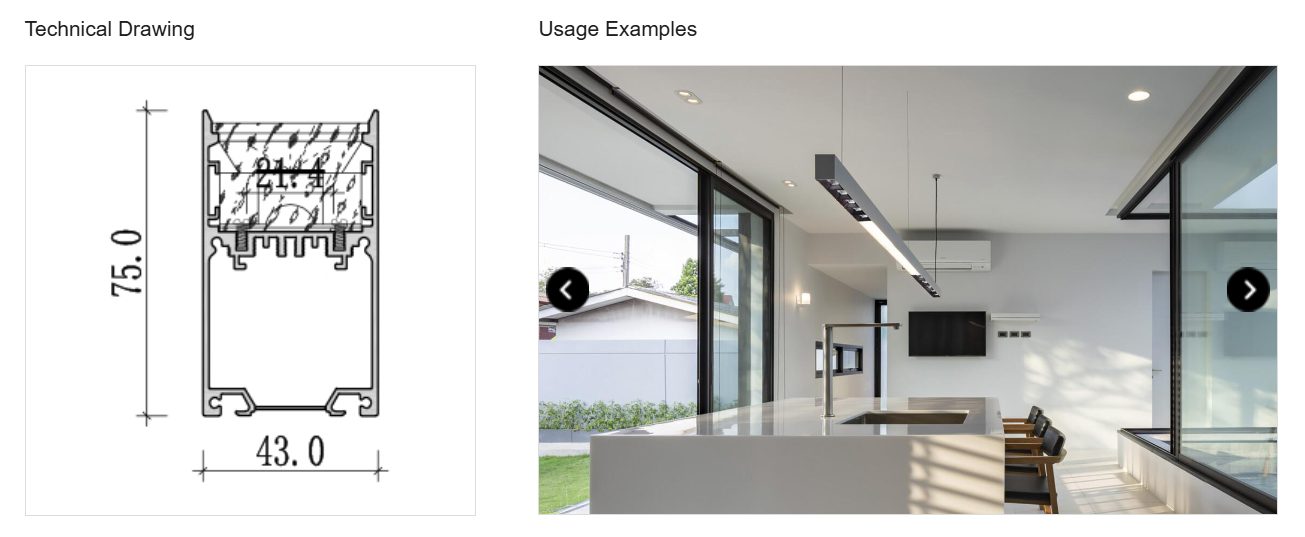
13. Professional Industrial Recessed Series
- Applications: Commercial lighting projects, high-end architectural spaces, modern office buildings, premium shops.
- Ideal for: Lighting designers, architectural contractors, commercial space planners.
- Advantages: Fully integrated architectural lighting system offering unprecedented visual possibilities through an invisible line. The profiles can be easily installed with a minimum depth of just 10mm, making them ideal for trimless, seamless effects. The almost unlimited three-dimensional matching options provide exceptional freedom to fulfill creative design ambitions.
- Best Choice: Slim trimless profiles designed for minimal installation depth, compatible with various LED strip types for invisible and stylish lighting solutions.** Thick, sealed profiles for tough environments.
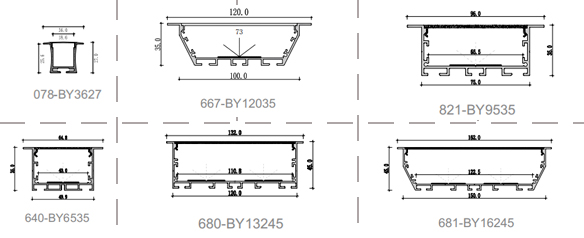
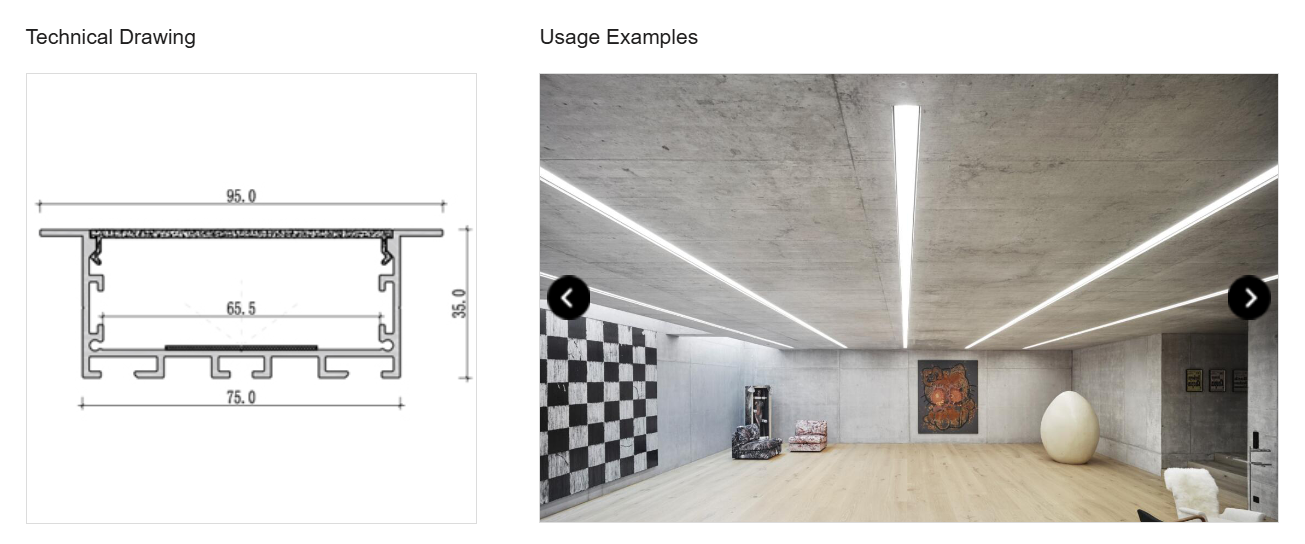
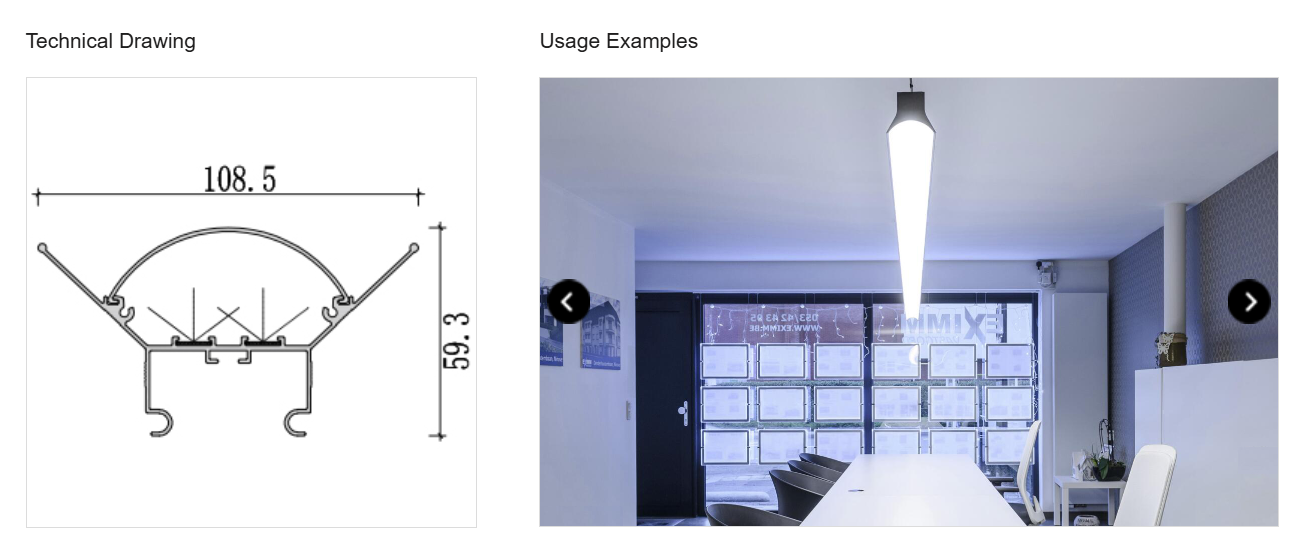
- Applications: Offices, showrooms, restaurants, workshops.
- Ideal for: General contractors, office fit-out companies.
- Advantages: Suspended design for big spaces; wide and uniform light.
- Best Choice: High-power suspended profiles with anti-glare covers.
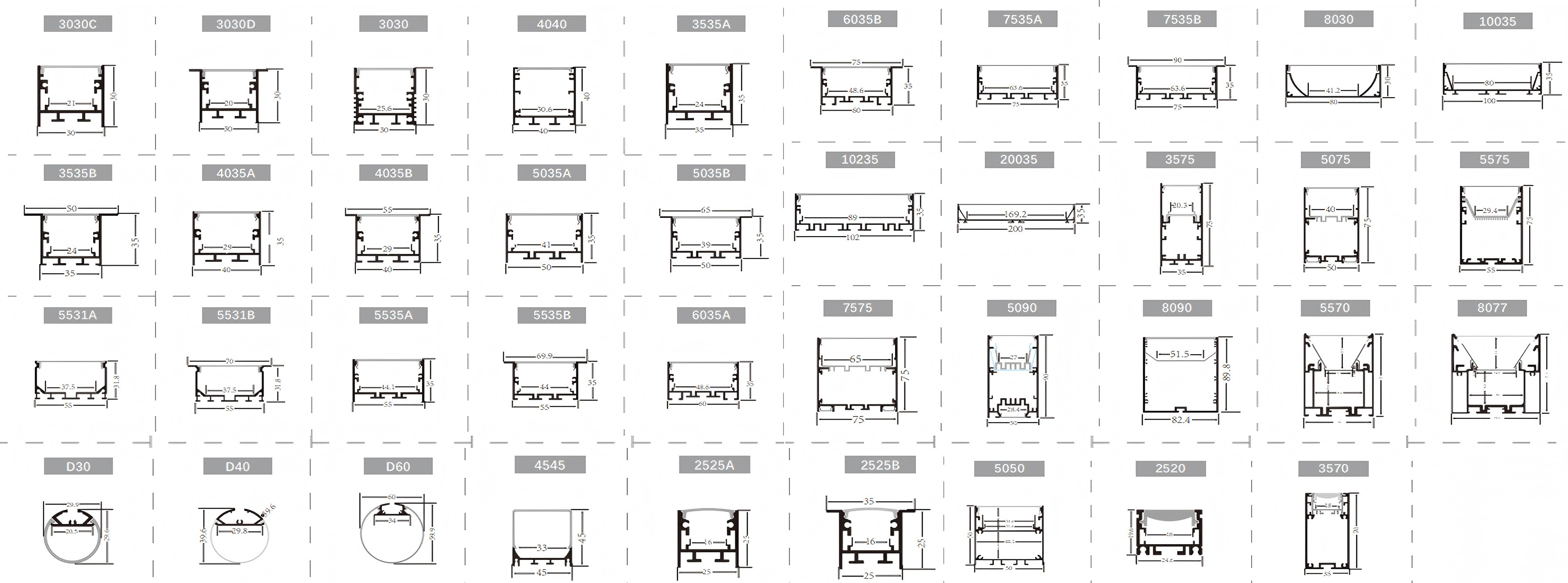
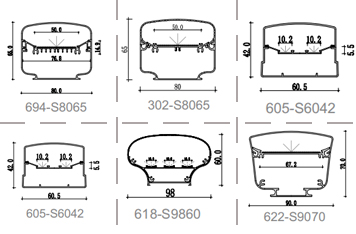
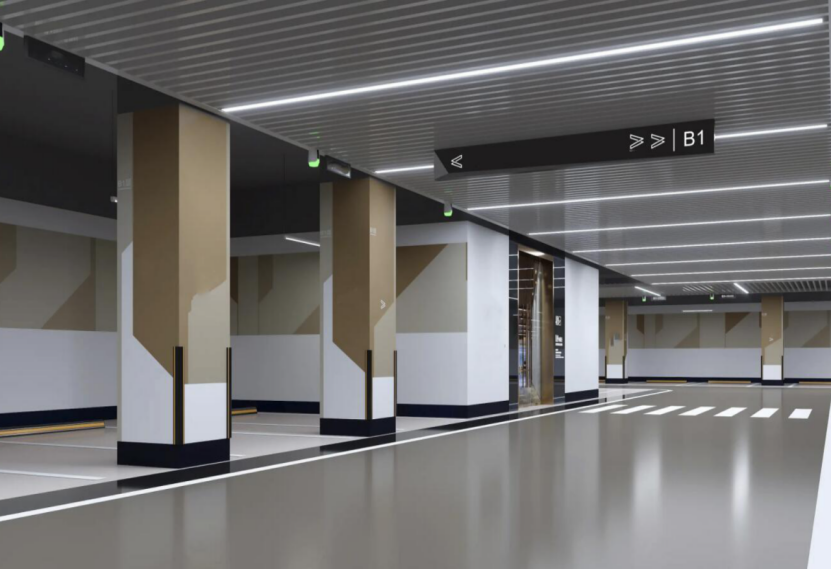
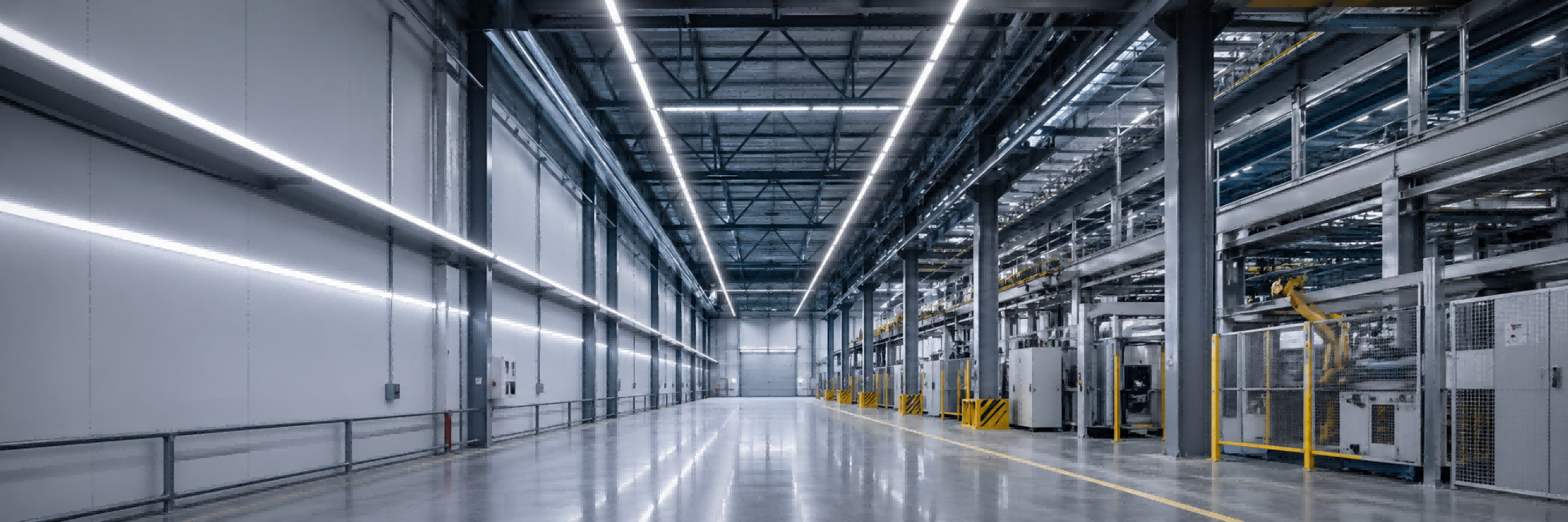
- Applications: Garages, basements, factories, outdoors.
- Ideal for: Industrial contractors, storage facility builders.
- Advantages: Waterproof, dustproof, anti-corrosion; built for harsh places.
- Best Choice: Profiles rated IP65 or higher.
16.DIY Customized Bending Style Series
- Applications: Custom decor, art displays, creative installations.
- Ideal for: Art show designers, DIY enthusiasts.
- Advantages: Bendable, shape-free; perfect for curves and unique designs.
- Best Choice: Ultra-flexible profiles for soft LED strips.
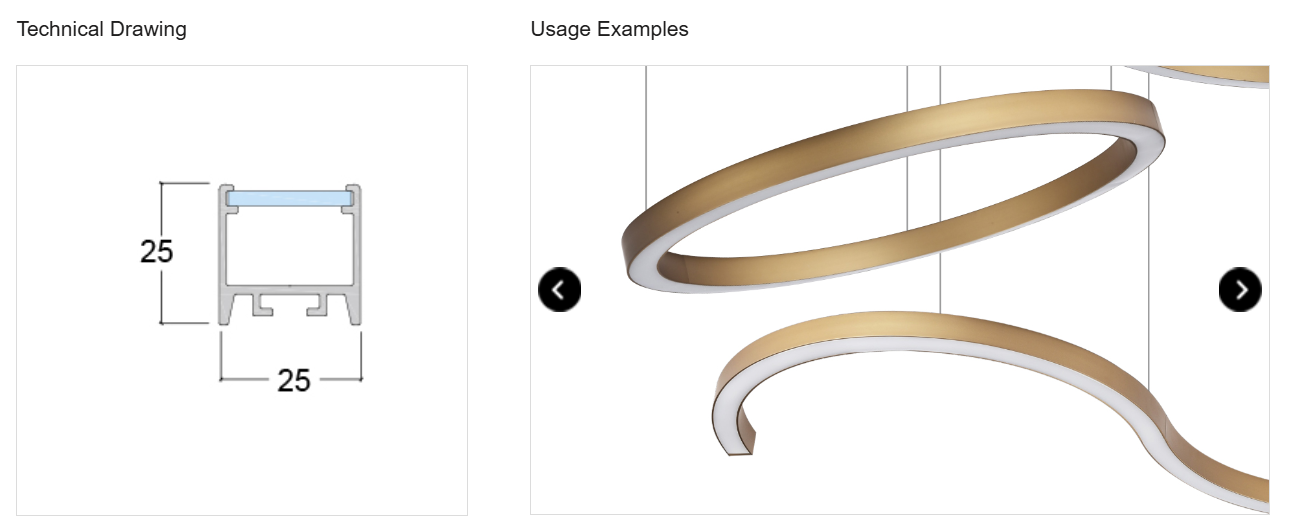
Applications:
- Curved ceiling or wall designs – Ideal for modern architecture or feature lighting
- Round mirrors and vanity outlines – Perfect for soft-edge backlighting
- Archways and staircases – Adds elegant linear light flow to complex surfaces
- Curved furniture, reception desks, or display cabinets – Enhances high-end retail and hospitality design
- Custom signage and art installations – Flexible enough for artistic shapes and branding
- DIY lighting projects – Easily adapted to creative home improvement needs
Ideal for:
- Who Benefits from Using Flexible LED Channels:
- Interior designers & architects – For seamless light integration on curves and arcs
- Lighting designers – Looking for clean, dot-free linear lighting with creative freedom
- Custom furniture makers – Wanting to embed lighting into round or non-linear surfaces
- Retail shopfitters & display builders – For attention-grabbing visual merchandising
- LED strip wholesalers & installers – Offering flexible solutions to clients with unique layouts
- Homeowners & DIY users – Seeking elegant and easy-to-install curved lighting lines
Advantages:
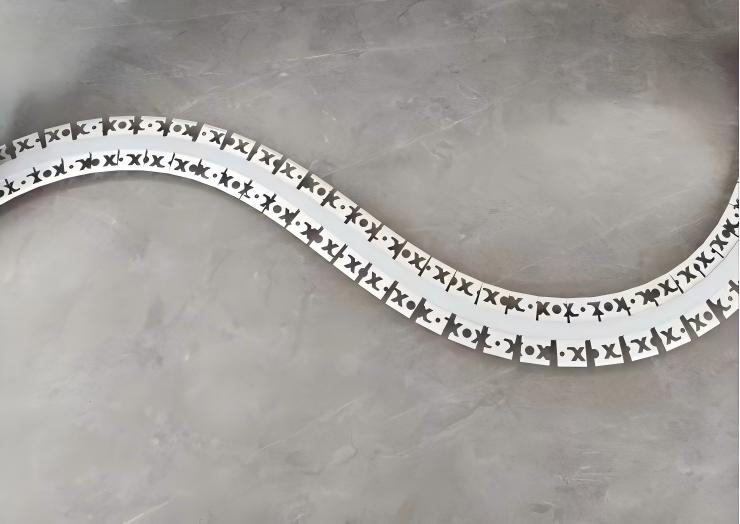
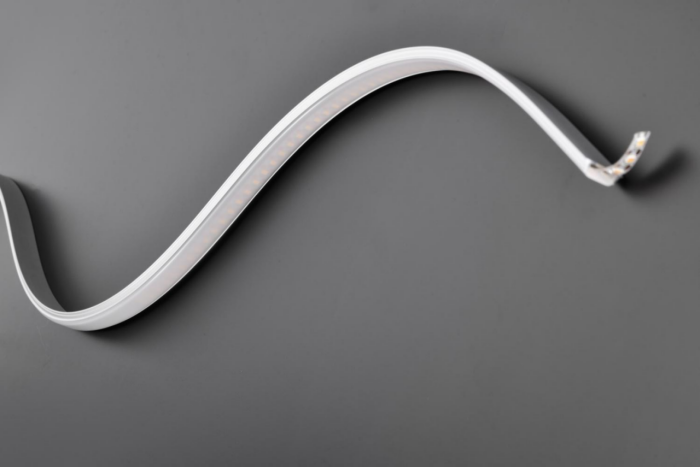
- Bendable and Versatile :Adapts to concave or convex surfaces (in one direction) – perfect for irregular shapes.
- Sleek & Lightweight Design:Easy to cut, carry, and install. Compatible with most LED strips (5mm–10mm and COB types).
- Improves Lighting Performance:Works with milky or frosted diffusers to soften the light and reduce glare or visible dots.
- Efficient Heat Dissipation:Aluminum body draws heat away from LED strips, helping prolong their lifespan.
- Professional Look & Finish:Hidden mounting design ensures a clean and modern aesthetic.
- Customizable Lengths:Can be easily cut to size; supports custom bending radius on request.

How do I choose an LED channel?
LED Aluminum Profiles (also known as LED Channels) act as the "protective armor" for LED strip lights. They not only enhance the lighting performance but also directly impact the overall quality of the space’s light environment. Choosing the right LED profile can significantly extend the lifespan of LED strips, improve heat dissipation, enhance aesthetics, and even elevate the design feel of the entire space.
So, what should you consider when selecting an LED aluminum profile?
LEDworker summarizes 9 key factors to help you make the right and confident choice.
1. Choosing the Right Profile Shape
The first step is to determine the shape of the LED aluminum profile — Surface Mounted or Corner Type — depending on your installation needs.
- Surface Mounted LED Profile: The most popular type, ideal for flat surfaces such as walls, ceilings, or furniture without the need for recessing.
- Recessed LED Profile: Suitable for hidden installations in ceilings, cabinets, or walls for a clean, flush look.
- Corner LED Profile: Designed for corners with a 45-degree lighting angle, perfect for cabinet edges, wall joints, or display units.
- Stair/Inground LED Profile: Built for durability with load-bearing, anti-slip, and dustproof features, making it ideal for stairs or flooring installations.
- Trimless LED Profile: Specially made for high-end architectural applications, offering a seamless, frameless, and minimalist visual effect when embedded.
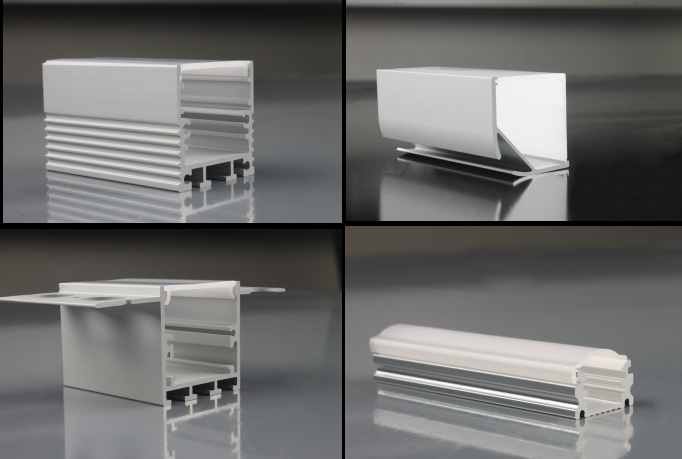
Additionally, similar shapes may come in various sizes or with/without flanges, so choosing the exact type depends on the specific installation area and design requirements.
 |
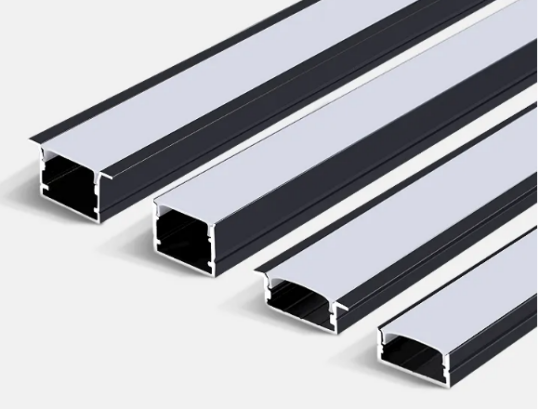 |
| Many different shape LED Channel Profiles | Same shape have different size |
2. Choosing the Right Size of LED Aluminum Profile
2.1. Profile Length
The length of the aluminum profile should match the specific installation space. Standard lengths include 1 meter, 2 meters, and 3 meters, but custom lengths such as 1.5 meters or 1.8 meters are also available upon request.
Keep in mind the transportation cost and convenience—profiles longer than 2 meters often lead to higher shipping fees and more challenging installation processes. A flexible solution, like combining two 1.5-meter profiles instead of a single 3-meter piece, can balance both cost-effectiveness and practicality.
2.2. Internal Width of the Profile
The internal width is a crucial but often overlooked factor. It must accommodate the LED strip width comfortably. Common LED strip widths include 5mm, 8mm, 10mm, 12mm, and even 20mm or wider.
To ensure easy installation, the internal width of the profile should be at least 0.5–1mm wider than the LED strip to prevent a tight fit or difficult assembly.
For high-power or dual-row LED strip applications, profiles with internal widths of 20mm, 30mm, or more are recommended to allow enough space and ensure proper heat dissipation.
2.3. Profile Depth
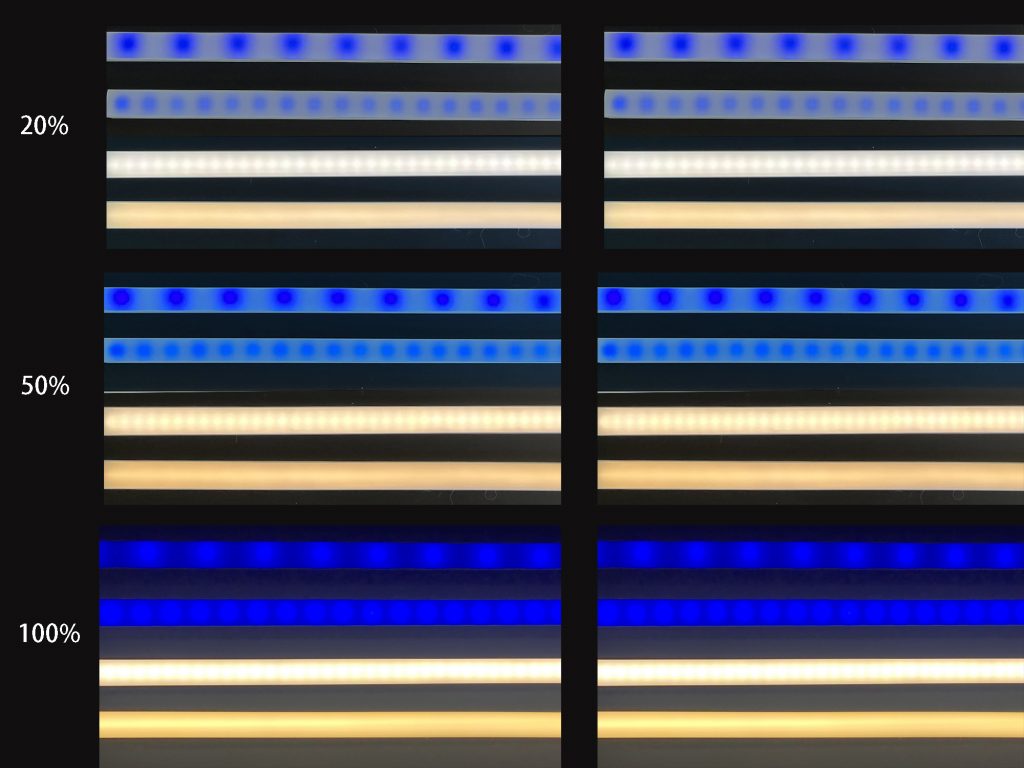
The depth of the aluminum profile affects the lighting performance. A deeper profile results in softer, more uniform light with less visible hotspots, though brightness may slightly decrease.
For projects that require dotless lighting effects—such as cabinet lighting, showcase displays, or architectural accents—deep profiles or COB LED strips are ideal choices for improving light uniformity.
On the other hand, if brightness is the top priority, shallow profiles paired with transparent diffusers may be more suitable.
For customers seeking a perfect balance between high brightness and no visible light spots, LEDworker Lighting offers customized solutions—carefully matching diffuser types, LED strip specifications, and profile depths to meet any lighting design requirement flawlessly.
3. Choosing the Right Diffuser Cover for LED Profiles
The diffuser cover of an LED aluminum profile not only protects the internal LED strip from dust, moisture, and UV radiation, but also plays a key role in determining the final lighting effect. The material and transparency level of the PC diffuser directly influence brightness, light distribution, and visual comfort.There are several common types of diffuser covers available:
3.1. Clear Cover (Transparent Diffuser)
Provides the highest light transmittance and brightness.Ideal for display lighting or areas where maximum illumination is needed.
3.2. Frosted Cover (Matte Diffuser)
Delivers a soft, gentle light output.Suitable for home, office, or general ambient lighting applications where glare reduction is important.
3.3. Milky Cover (Opal Diffuser)
The most popular option in many lighting projects.Ensures even light distribution with no visible LED hot spots, offering a clean and uniform glow.Widely used in architectural and interior lighting where visual comfort matters.
3.4. Black Cover (Black Diffuser)
Invisible when the light is off, creating a sleek and minimalist appearance.Perfect for modern or concealed lighting designs.
3.5. Lens Cover (Optical Diffuser)
Adjusts the beam angle to create focused or directional lighting effects.Recommended for accent lighting, task lighting, or display showcases.
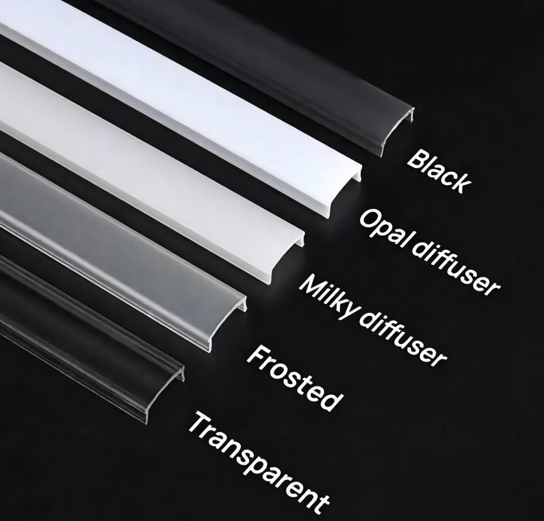
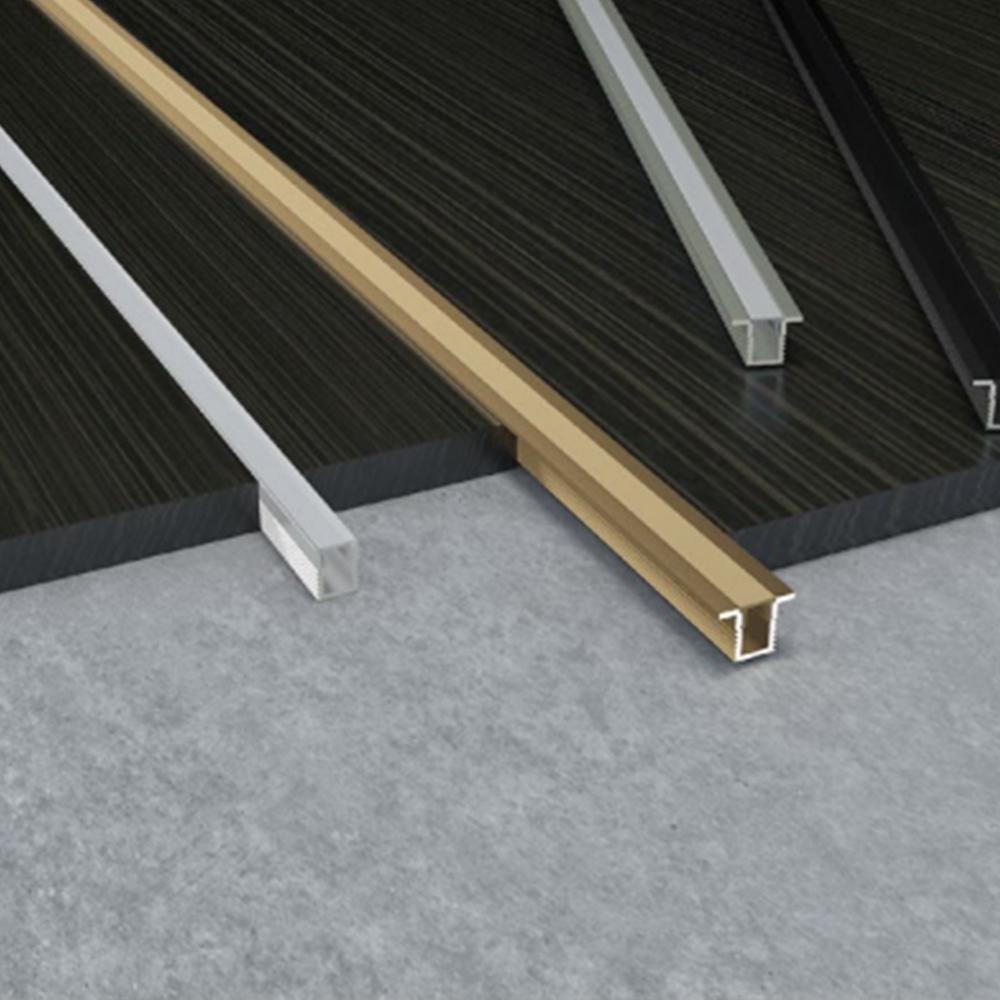
For COB LED strips, using a milky or frosted cover is highly recommended. This combination enhances light uniformity, eliminates visible dots, and delivers a smooth, continuous lighting effect, making it ideal for applications that require high-quality, dotless illumination.
4. Selecting the Right LED Strip for Your Aluminum Profile
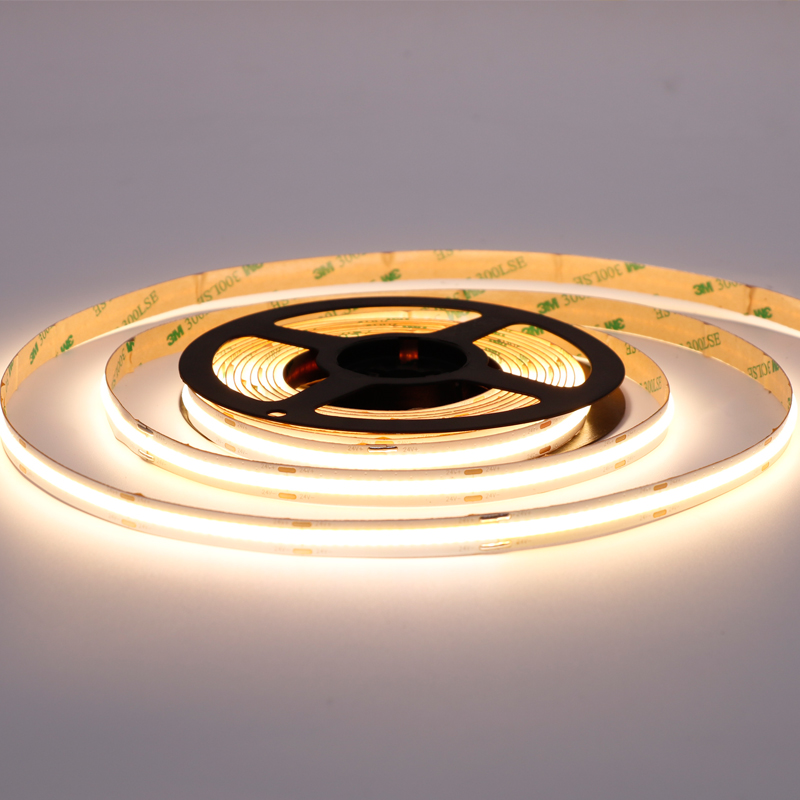
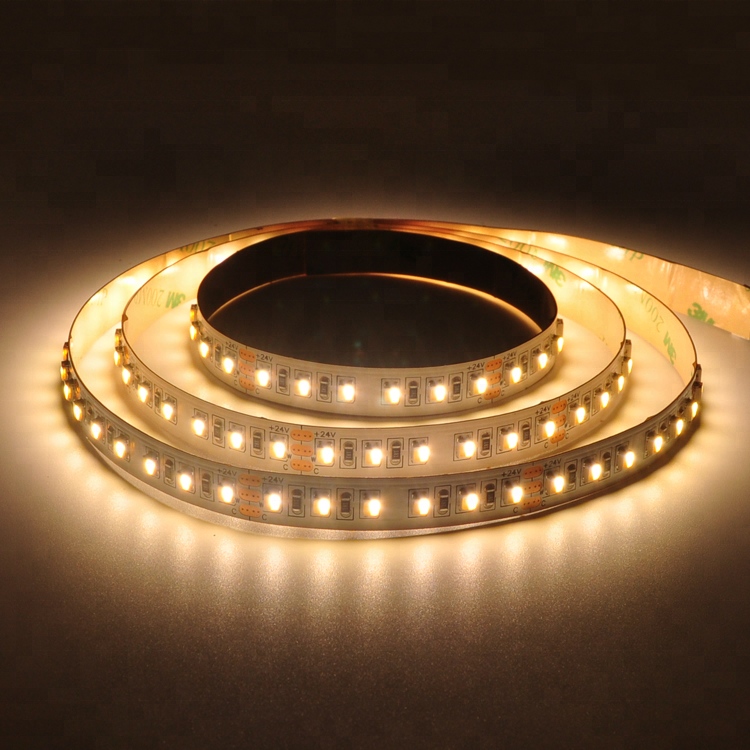
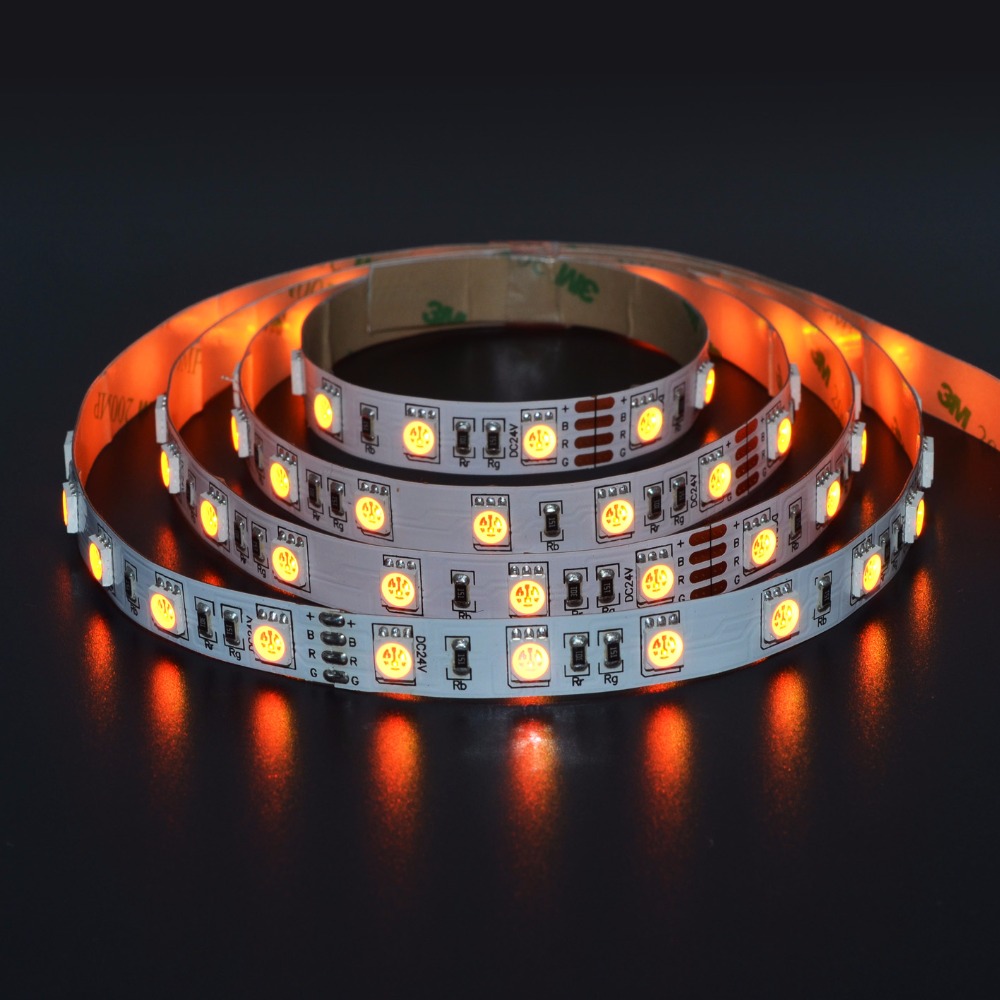
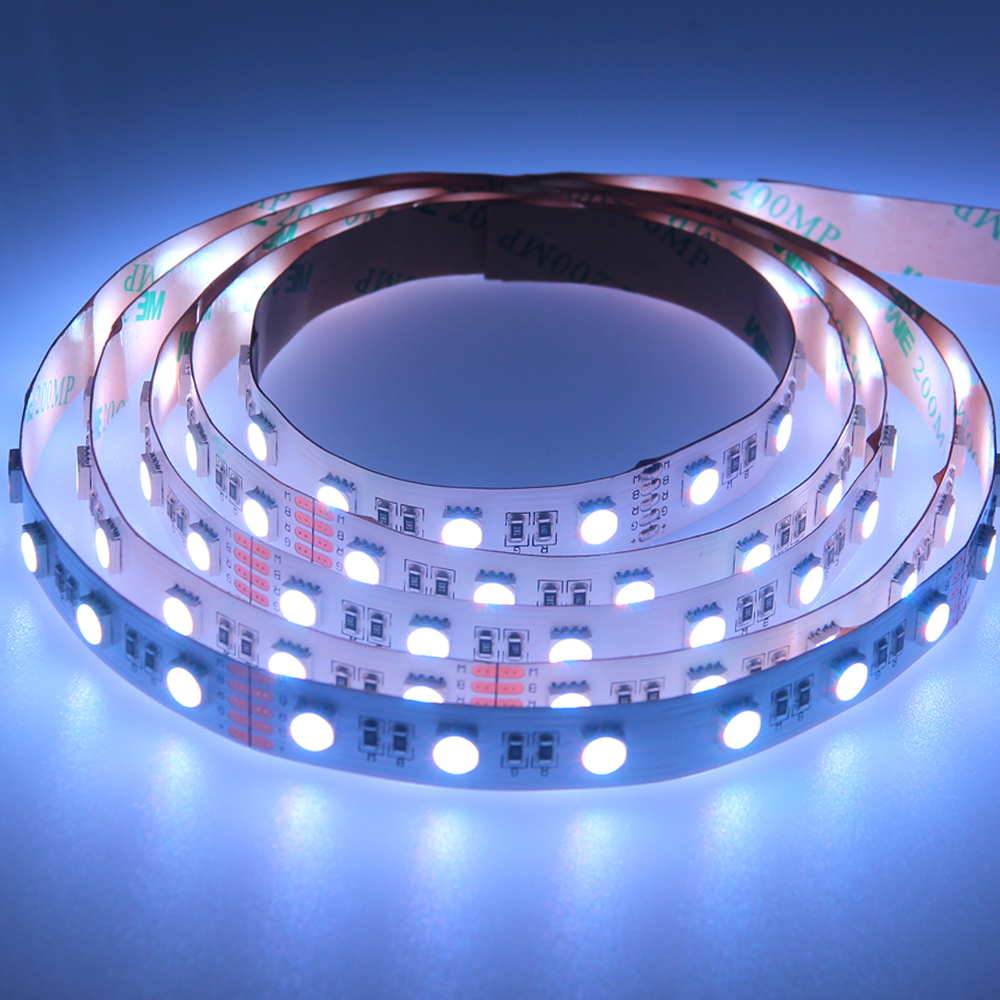
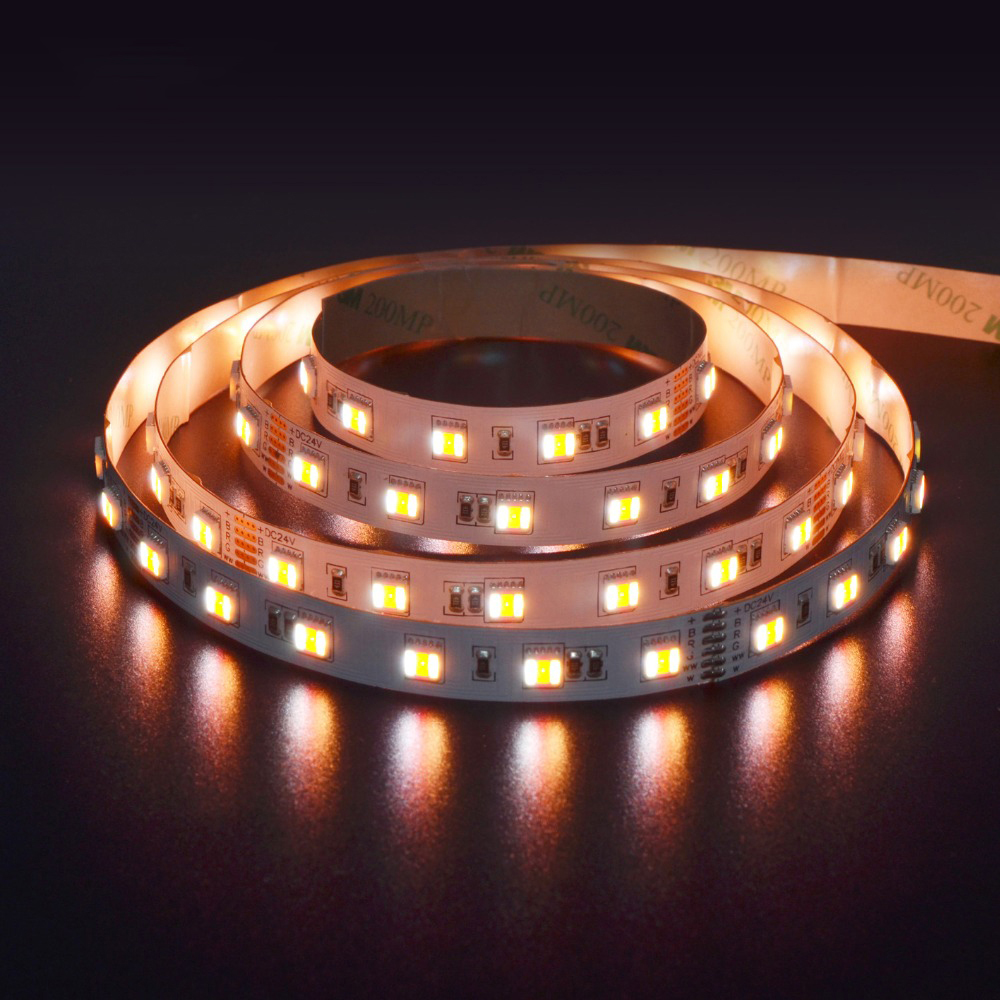
4.1. Color Options:Choose according to your project’s lighting needs:
 |
 |
 |
 |
 |
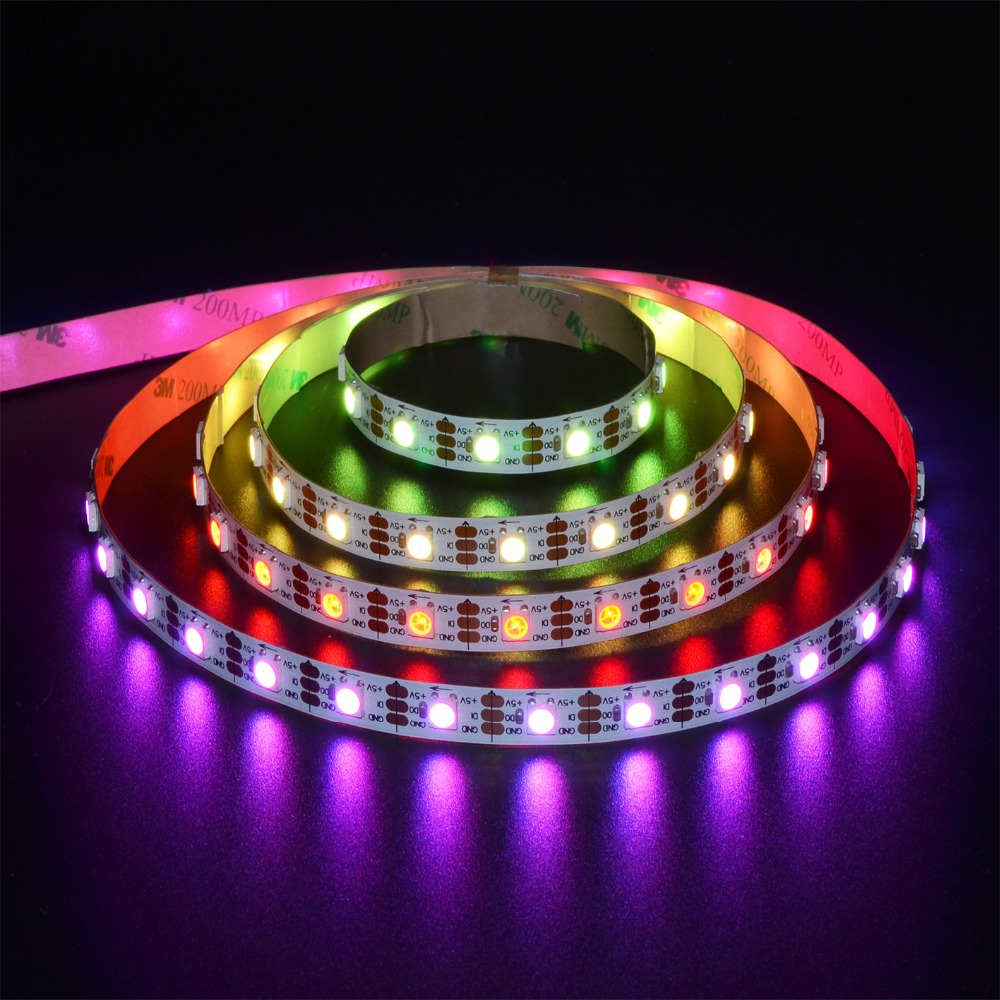 |
The right color selection helps achieve the desired ambience, dynamic effects, or functional lighting.
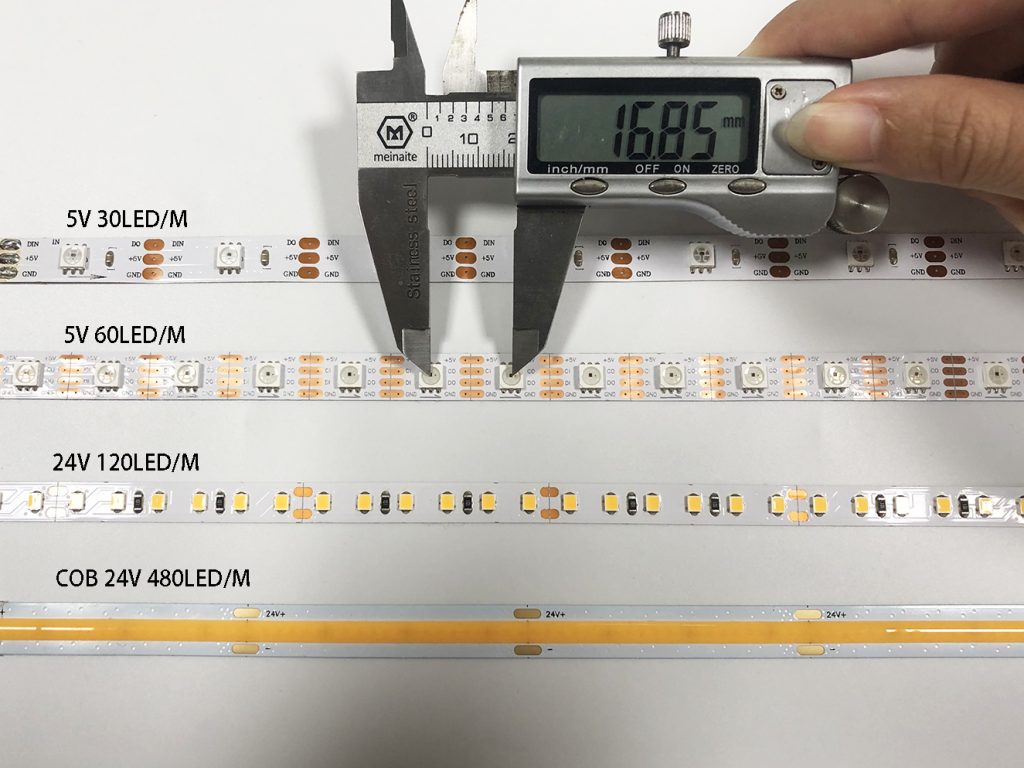
2. Voltage :Common operating voltages include 5V, 12V, and 24V. The LED strip voltage must match the power supply unit to ensure safety and efficiency.
3. Width: The LED strip width must precisely fit the internal width of the aluminum profile.Typical widths include 5mm, 8mm, 10mm, 12mm, 20mm, depending on the project and profile design.
4. LED Density:Refers to the number of LEDs per meter, such as 30 LEDs/m, 60 LEDs/m, 120 LEDs/m, 240 LEDs/m or COB (Chip On Board) LED strips. Higher LED density or COB LED strips deliver smoother, dot-free lighting, ideal for applications demanding uniform illumination.
Highly Recommended: COB LED Strips
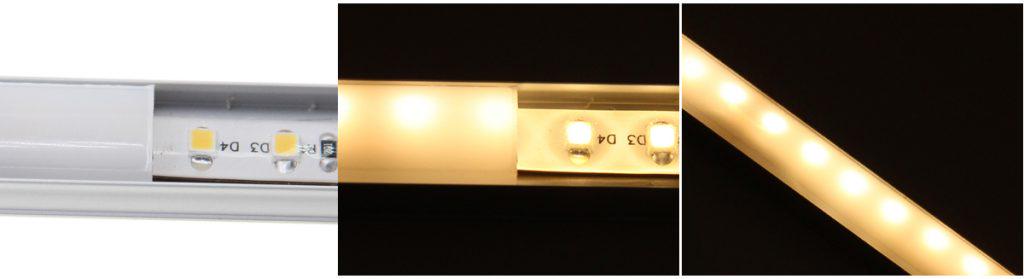
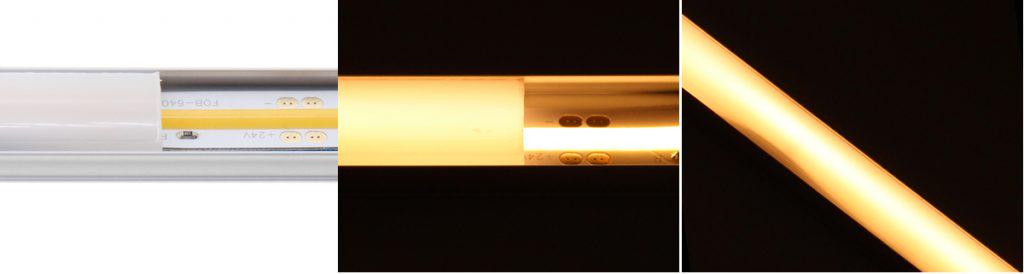
COB (Chip On Board) LED strips feature ultra-high LED density, delivering dot-free, smooth, and seamless illumination without any visible light spots or graininess.
COB LED strips are compatible with all types of aluminum profiles, whether deep or shallow, and work perfectly with various diffuser covers—clear, frosted, milky, or black—allowing complete flexibility in lighting design.
Thanks to their superior light uniformity and soft glow, COB LED strips have become the top choice for lighting designers, architects, and home improvement projects in recent years. Whether for cabinet lighting, showcase displays, or modern interior decoration, COB LED strips ensure a "no dot, no shadow" perfect lighting effect that meets the highest visual and aesthetic standards.
How to Choose LED Strip for Alumium Profile?
Complete Guide to LED Aluminum Profile Applications | Where to Use LED Channels
LED aluminum profiles (also known as LED channels, LED strip housings, or LED extrusions) are essential accessories for LED strip installations. They not only protect LED strips but also enhance light distribution, heat dissipation, and overall design aesthetics. LED aluminum profiles are widely used in residential, commercial, industrial, architectural, and special lighting projects.
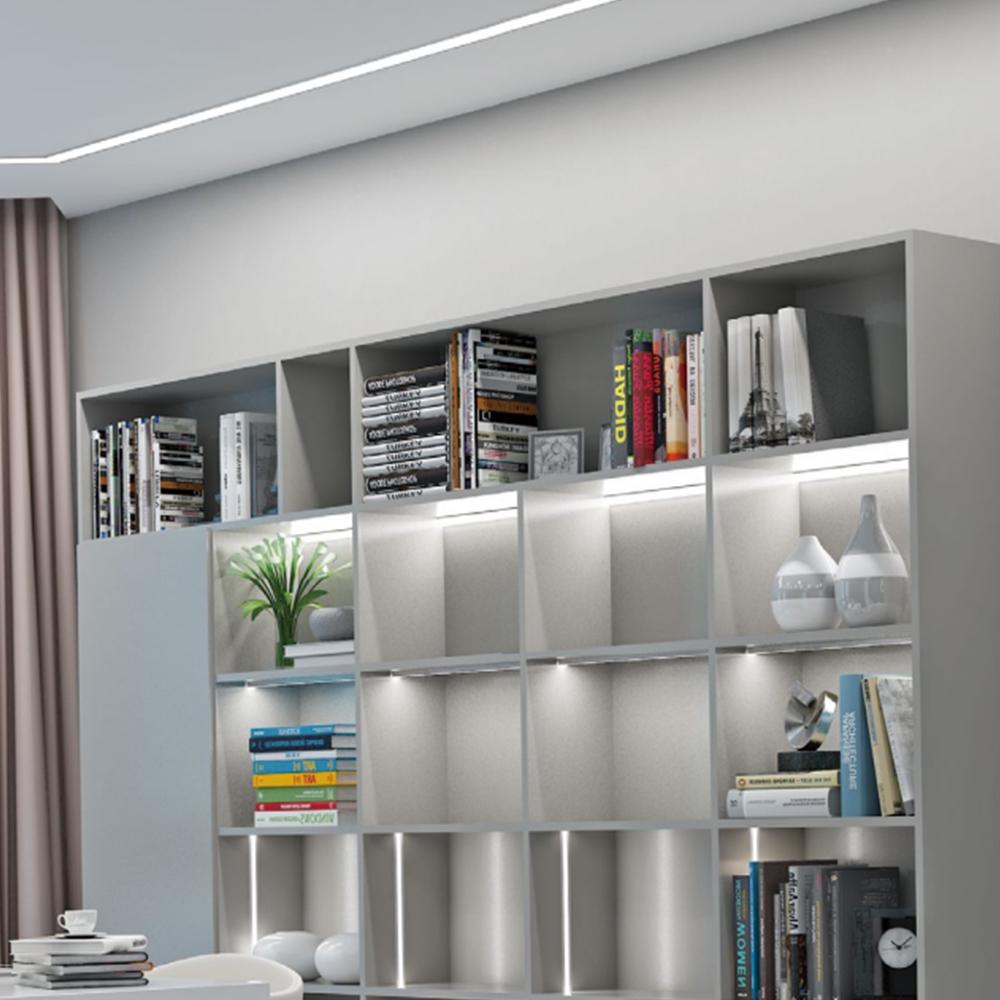
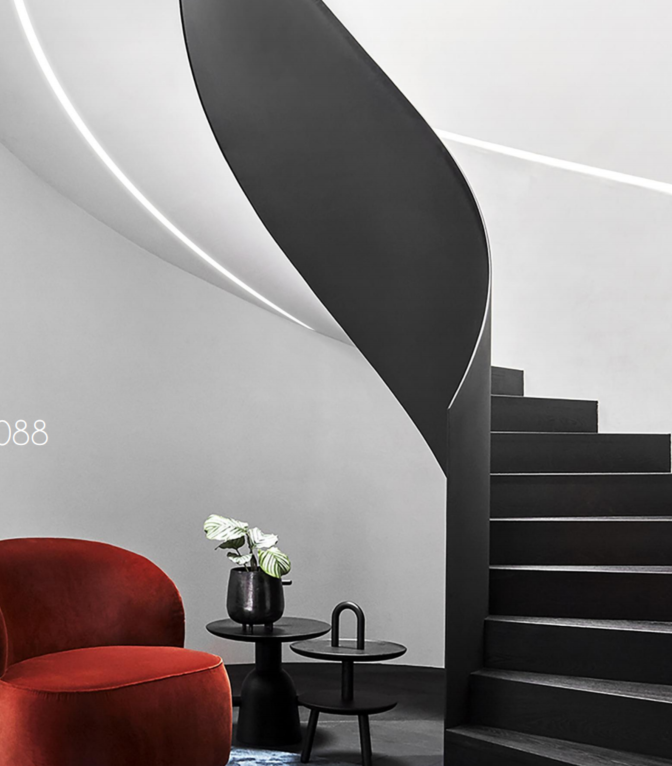
- Cabinet and Kitchen Lighting: Installed under cabinets or inside cupboards to brighten workspaces and improve kitchen functionality. Wardrobe, Shoe Cabinet, and Storage Lighting. Integrated LED profiles with sensor lighting create a smart, modern storage solution.
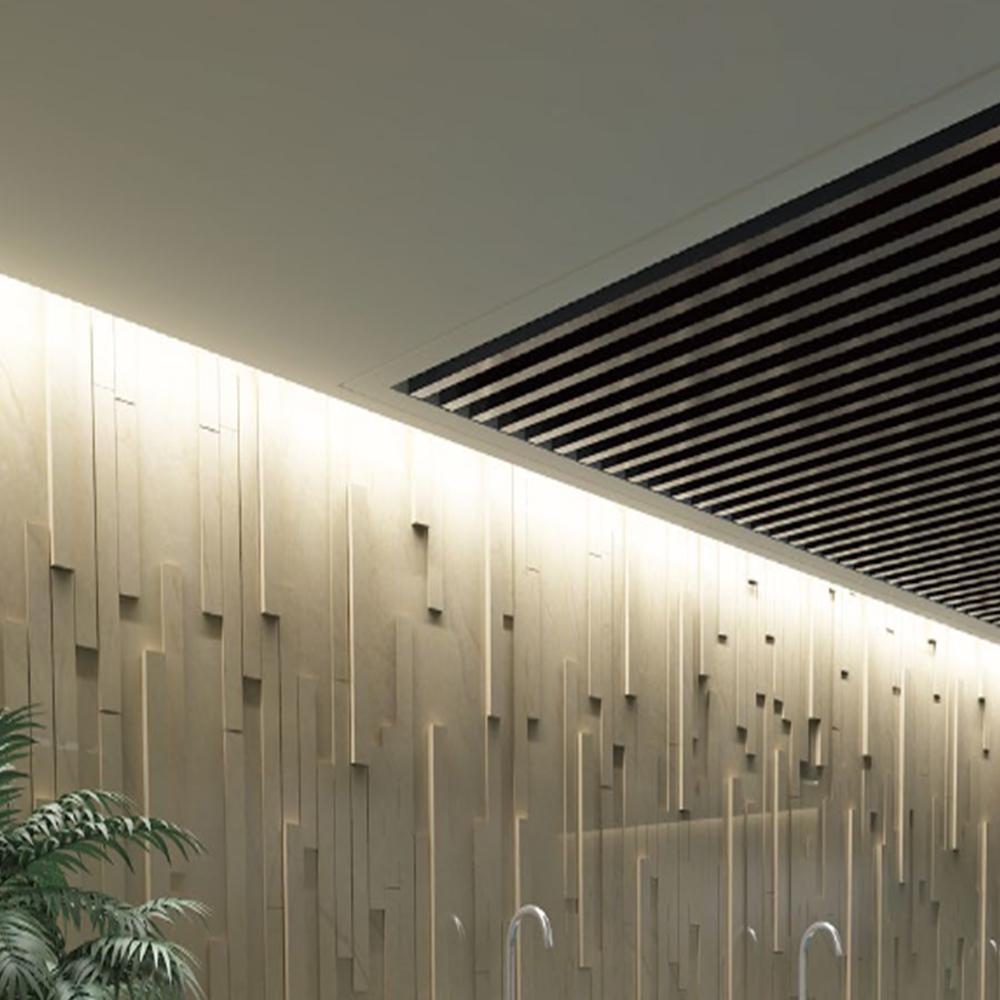
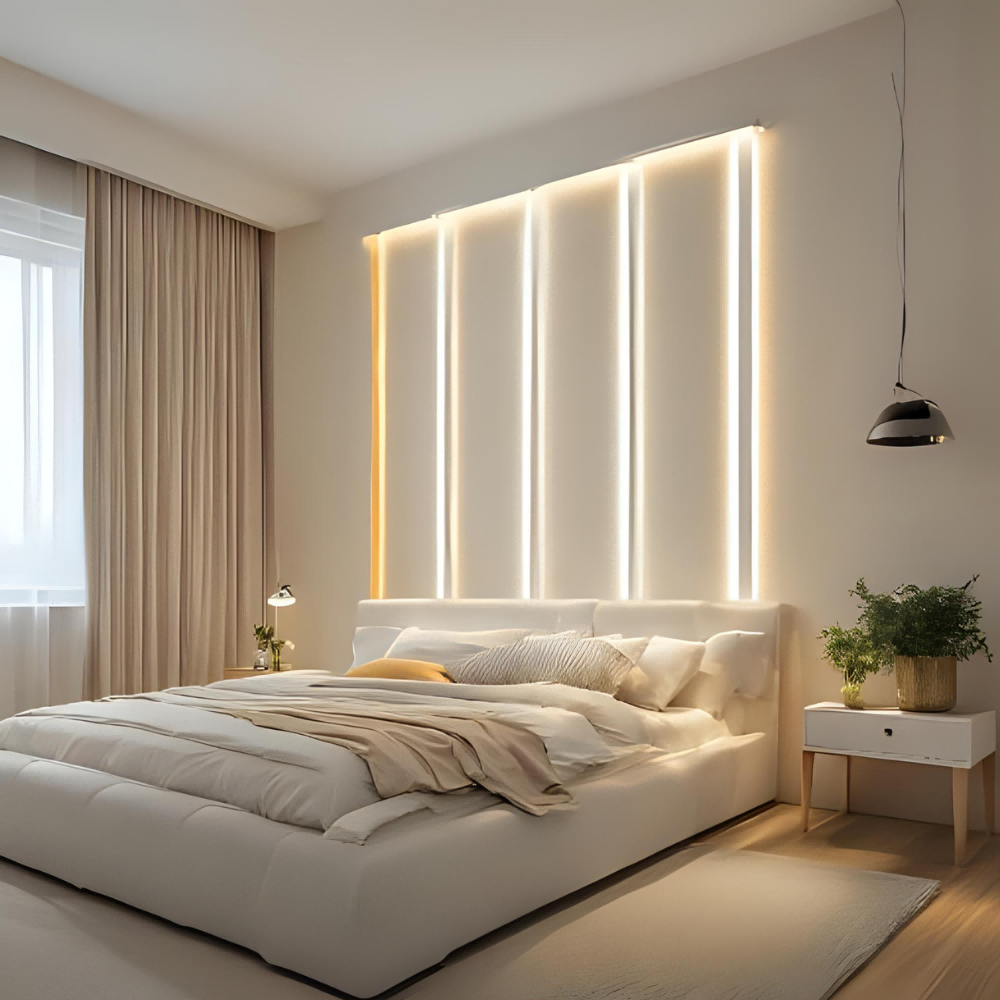
- Living Room and Bedroom Cove Lighting: Hidden LED channels in ceilings provide soft, ambient lighting and add depth to interior spaces.
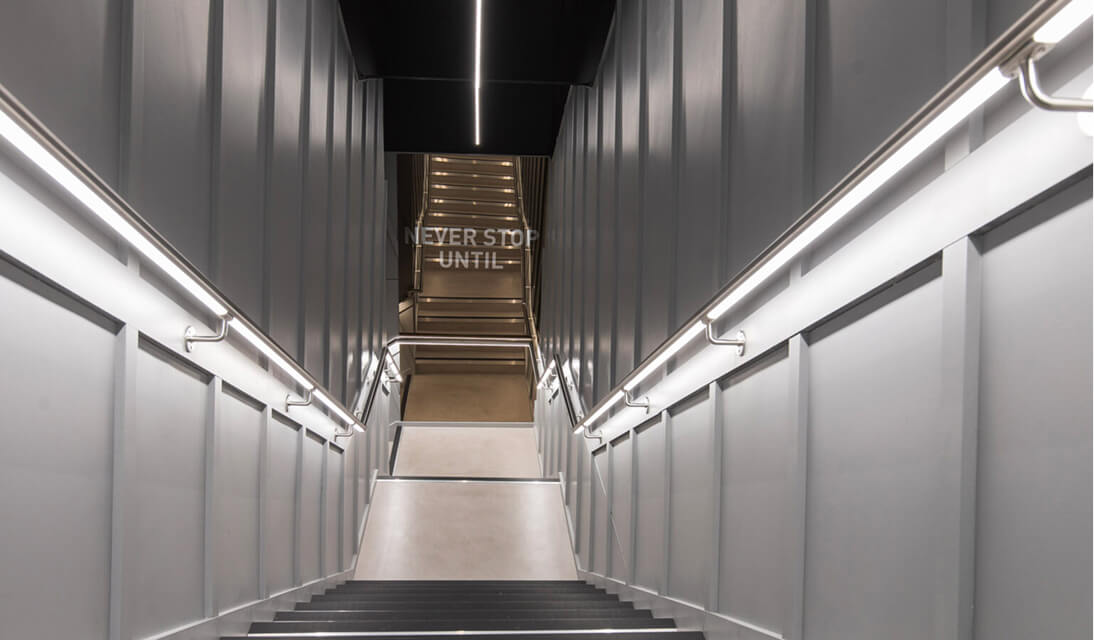
- Staircase and Skirting Board Lighting: LED profiles installed along stairs or baseboards increase safety and enhance night visibility.
2. Commercial Lighting Applications
- Storefront Window Displays: Paired with frosted or milky diffusers to create eye-catching product showcases.
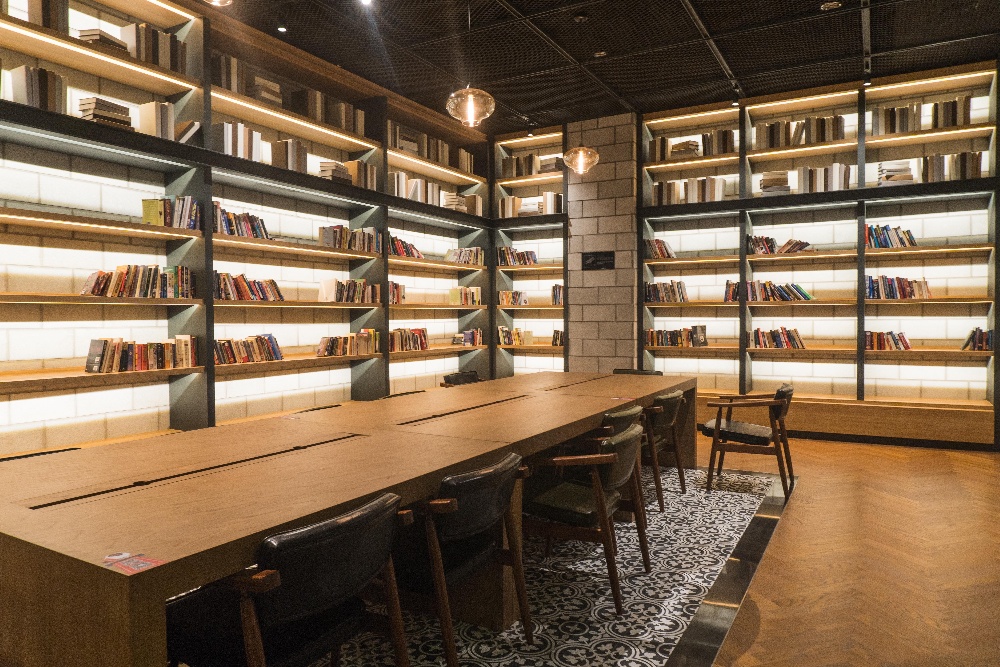
- Retail Shelves and Display Racks: Precision lighting design highlights product details and improves the shopping experience.
- Office Spaces: Used in meeting rooms, lobbies, and open work areas for modern, glare-free general lighting.
- Hotels and Restaurants: Ideal for walls, ceilings, and under-table lighting to build cozy, elegant, or upscale atmospheres.
3. Architectural and Outdoor Lighting Applications
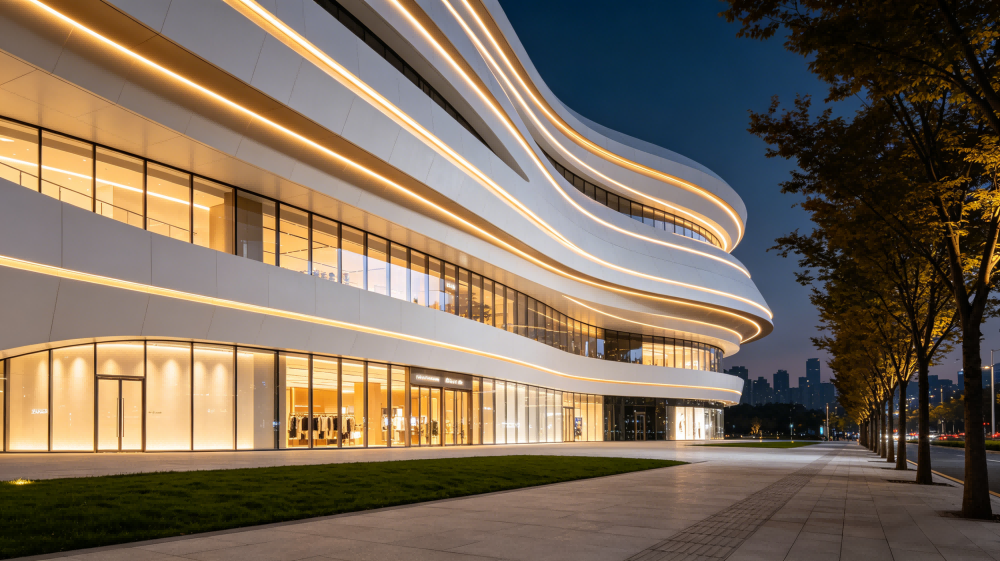
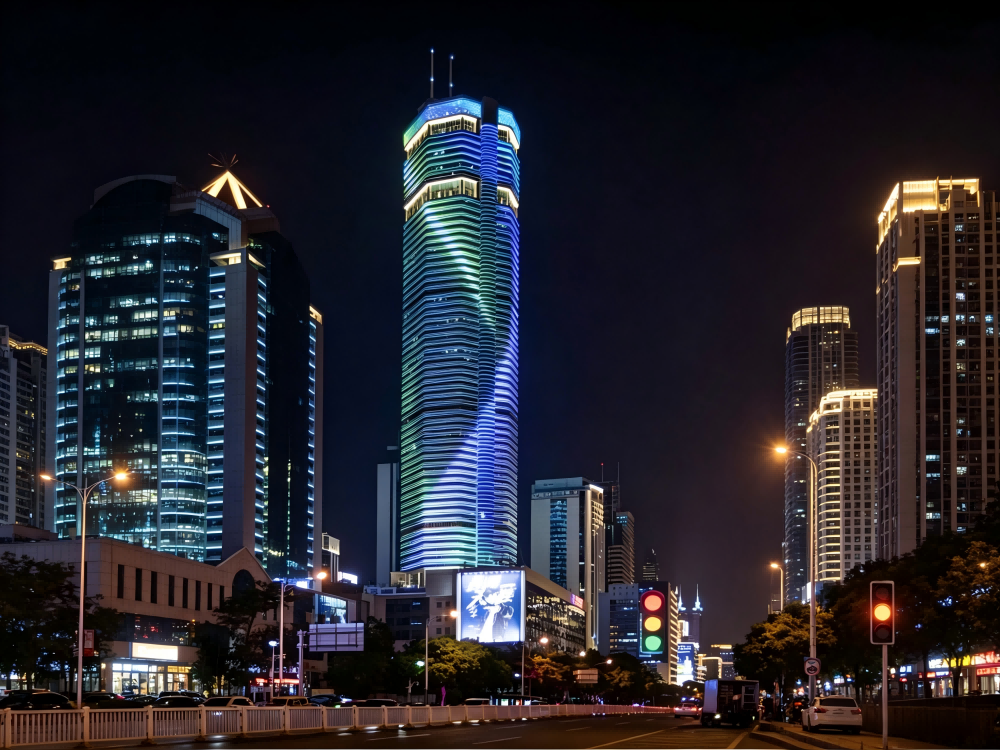
- Building Outline Lighting: Waterproof LED aluminum profiles outline building exteriors and make structures stand out at night.
- Outdoor Pathways and Landscaping: Weather-resistant profiles illuminate garden paths, walkways, and railings for safety and beauty.
- Stair Tread Lighting: Special stair LED profiles ensure anti-slip safety and aesthetic appeal in indoor and outdoor steps.
- Cleanrooms and Laboratories: Profiles offer dust-proof and moisture-resistant lighting solutions ideal for controlled environments.
- Medical Facilities: Hygienic and easy-to-clean LED profiles are suitable for clinics, hospitals, and examination rooms.
- Exhibitions and Trade Shows: Easy to install and dismantle, LED profiles with COB strips provide high uniformity and professional display lighting.
- Smart Lighting Systems: Compatible with dimmable and color-changing LED strips to create multi-scene intelligent lighting solutions.
- Tailored Engineering Solutions: Available in ultra-narrow, three-sided, trimless, or recessed designs to meet unique architectural requirements.
How to Install LED Aluminum Profiles? A Complete Step-by-Step Guide
In LED strip lighting projects, LED aluminum profiles (also called LED channels or LED extrusions) play a crucial role in improving heat dissipation, protecting LED strips, optimizing light diffusion, and enhancing the overall design aesthetic. Correct installation ensures these profiles perform at their best. This guide provides a detailed breakdown on how to properly install LED aluminum profiles.
1. Tools and Materials Required
Before starting the installation, prepare the following items:
- Selected LED aluminum profiles with PC diffusers
- Compatible LED strips (matched in width, length, and voltage)
- Power supply or transformer
- Drill, screwdriver, scissors, utility knife, measuring tape
- Mounting clips, 3M double-sided tape, screws, wall plugs, adhesive
- Suspension wires, hanging kits (for pendant installations)
- End caps, covers, and cable outlets as needed
Measure the installation area carefully and cut the LED aluminum profile and LED strip to the required lengths.
For multiple connected profiles, leave a small expansion gap (2–3mm) to avoid thermal expansion issues.
Ensure the mounting surface is clean, smooth, and dry. Use isopropyl alcohol to remove dust or grease if necessary.
3. Select the Suitable Installation Method
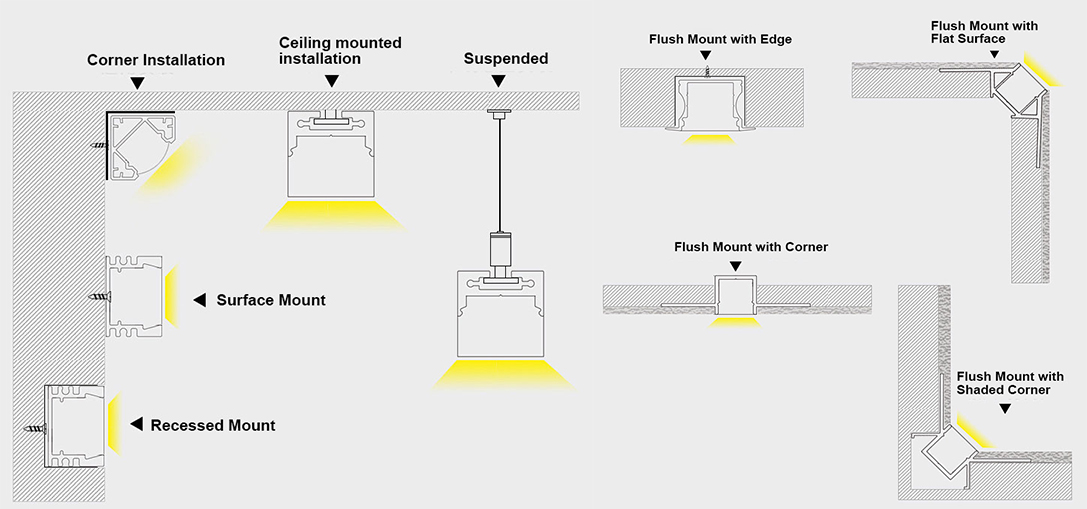
Depending on your space and design needs, LED aluminum profiles can be installed in various ways:
3.1. Surface Mounted Installation
This is the most common and straightforward method, ideal for walls, ceilings, cabinets, and display cases.
Clip Installation: Secure mounting clips onto the surface with screws, then snap the aluminum profile into place. This method allows for easy removal and repositioning.
3M Double-Sided Tape: Suitable for lightweight profiles and smooth surfaces. Always clean the surface before applying the tape to ensure strong adhesion.
Direct Screw Mounting: For a secure, permanent solution, drill through the profile and fix it directly to the mounting surface using screws.
3.2. Recessed (Flush) Installation
Perfect for creating seamless, built-in lighting in walls, ceilings, or furniture.
A groove must be pre-cut to match the profile's size.
Many recessed profiles feature “flange” or “wing” edges that help cover minor imperfections or oversized openings for a clean finish.
Some profiles have dual-slot designs inside, allowing for adjustable mounting depth and optimized heat dissipation.
3.3. Corner Installation
Special corner profiles are designed for spaces like cabinet corners, stair edges, or room junctions, typically offering beam angles such as 30°, 45°, or 60°.
Corner profiles help eliminate “dark spots” often missed by traditional lighting.
A 45° profile, for example, features an angled internal base for improved light diffusion and enhanced thermal performance.
Mounting options include clips, adhesive, or screws for secure placement.
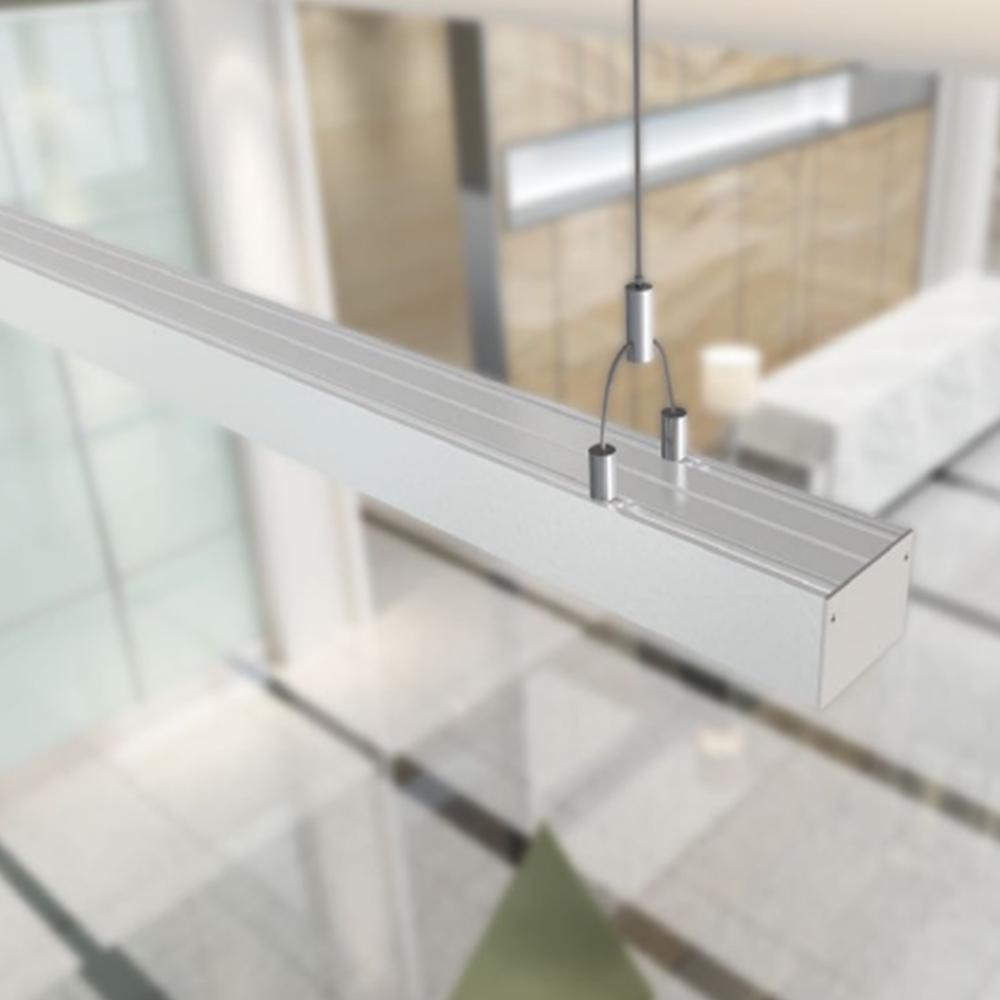
3.4.Pendant (Suspended) Installation
Widely used in modern office, retail, and exhibition spaces, pendant-mounted profiles create a stylish floating lighting effect.
Install using steel suspension wires, adjustable hanging kits, and brackets.
The height can be adjusted to suit various ceiling heights and design requirements.
Often combined with high-power COB LED strips for excellent uniformity and brightness.
Carefully stick the LED strip into the bottom of the aluminum profile.
Connect the LED strip to the power supply, ensuring voltage compatibility.
For corners or bends, use flexible connectors instead of bending the LED strip to avoid damage.
Avoid hanging the strip upside down without support to prevent detachment over time.
5. Attach the Diffuser and End Accessories
Choose the right diffuser (clear, frosted, milky, black, or lens type) and snap it onto the aluminum profile.
Install end caps, plugs, or cable outlets to complete the profile and protect against dust and moisture.
Check all connections to ensure they are secure and properly aligned.
6. Power On and Adjust
Turn on the power to test the LED strip lighting.
Inspect the light output for consistency, brightness, and uniformity.
If necessary, adjust the LED strip or profile placement to achieve the desired lighting effect.
Though the installation process may seem simple, proper handling of LED aluminum profiles ensures maximum performance, safety, and visual impact. Whether for residential, commercial, or industrial lighting, selecting the right mounting method and following correct installation steps will extend the life of your LED strips and elevate your space’s overall design quality.
FAQ
Q1: What is a LED aluminum profile?
Q3: Can Standard LED Channels Be Made Waterproof?
Yes, while standard aluminum profiles don’t come waterproof by default, you can enhance water resistance by: Using IP-rated waterproof LED strips, Adding end caps with rubber seals, Applying waterproof silicone or sealant at all openings and seams, Choosing profiles with more enclosed or sealed designs Recommended Installation Scenarios
| Application Area | Waterproofing Recommendation |
| Indoor dry spaces | Standard profile + regular LED strip |
| Bathrooms/Kitchens | Standard profile + waterproof LED strip + sealed end caps |
| Balconies/Semi-outdoor | Waterproof LED strip + sealed ends + added silicone sealant |
| Outdoor or In-ground | Use our waterproof in-ground aluminum profile series + waterproof strip + connectors |
But for high-reliability outdoor or ground-level applications, we strongly recommend using our dedicated waterproof aluminum channel series, which has been engineered for durability, safety, and long-term performance in harsh environments.
Q4: What is an aluminum profile material?
Q6: What is the most common aluminum profile?
By Application:
- LED Aluminum Profiles (LED Channels): Specifically designed for LED strip lights, these profiles help with heat dissipation, secure mounting, and light diffusion. They are commonly used in cabinets, ceilings, and display lighting.
- Industrial Aluminum Profiles (Structural Profiles): Used for equipment frames, assembly lines, and machine structures. They offer high strength and modular assembly. Common sizes include 30x30mm, 40x40mm, 45x45mm, etc.
- Architectural Aluminum Profiles: Used in doors, windows, curtain walls, baseboards, and louvers for interior and exterior building decoration.
- Furniture Aluminum Profiles:Used for wardrobe frames, cabinet edges, and furniture connectors. Lightweight and aesthetically pleasing, suitable for modern home design.
Q8: How to Cut an LED Aluminum Channel?
When installing LED aluminum channels (also known as LED profiles), you often need to cut them to fit specific lengths—whether it’s for cabinets, ceilings, walls, or display cases. Here's a step-by-step guide on how to cut LED channels safely and accurately.
- Saw tools: Fine-tooth hacksaw (manual) Miter saw or circular saw with an aluminum-cutting blade (recommended for clean cuts)
- Measuring tape or ruler
- Marker or pencil (for cutting marks)
- Safety gear: gloves and safety goggles
Q9: Do LED Strip Lights Need Aluminum Profiles?

Recommended News